Silver(I) Chloride (AgCl) is a chemical compound widely used in various laboratory experiments, particularly in the fields of catalysis and inorganic chemistry. As a key component in transition metal chemistry, it plays a vital role in supporting chemical reactions and facilitating the synthesis of new compounds. Its chemical stability and controlled reactivity make it an essential reagent in both qualitative and quantitative analysis. In the laboratory, AgCl is often employed as a catalyst or a reagent in specific reactions, contributing to the precision and reliability of experimental outcomes.
The unique chemical properties of Silver(I) Chloride, such as its low solubility in water and its ability to react under specific conditions, make it a preferred choice for applications requiring controlled chemical behavior. These properties allow it to be used in processes where stability and reactivity need to be carefully managed. Additionally, its high purity ensures accurate results in analytical procedures, making it suitable for use in high-precision scientific research. The combination of these characteristics makes AgCl a versatile and reliable material in laboratory settings.
In Indonesian laboratories, Silver(I) Chloride is commonly used in chemical research, especially in catalysis and inorganic chemistry. It is also utilized in educational settings to demonstrate chemical reactions and the properties of inorganic compounds. Its presence in both academic and industrial research environments underscores its importance as a fundamental reagent in the chemical sciences.
- In catalytic reactions, Silver(I) Chloride acts as a catalyst due to its controlled reactivity and stability, enabling efficient chemical transformations under specific conditions.
- For quantitative analysis, its low solubility and predictable behavior make it ideal for standardization and titration processes in analytical chemistry.
- In electrochemical studies, Silver(I) Chloride is used as an electrode material due to its stable electrochemical properties and ability to maintain consistent performance.
- In photchemical experiments, its unique optical properties allow it to participate in light-induced reactions, making it useful in photochemical research.
- In inorganic synthesis, it serves as a reagent for the preparation of silver-containing compounds, contributing to the development of new materials and compounds.
| Brand | TCI |
|---|---|
| CAS number | 7783-90-6 |
| Molecular formula | — |
| Purity | — |
| Category | Chemistry > Catalysis and Inorganic Chemistry > Transition Elements |
| Pack sizes | Available in various quantities as per standard laboratory supply |
| Physical form | Solid powder |
| Storage | Store in a cool, dry place away from moisture and light |
Silver(I) Chloride should be stored in a cool, dry place, away from moisture and direct light to maintain its chemical stability. It is recommended to use airtight containers made of glass or plastic to prevent contamination and exposure to air. Due to its low solubility, it is important to ensure that the storage environment is free from humidity, which could affect its integrity. In laboratory settings, proper labeling and secure storage are essential to prevent accidental exposure. Always handle the material with care, using appropriate personal protective equipment when necessary. Regular inspection of storage conditions ensures that the material remains in optimal condition for use in experiments.
—
Produk Terkait
-
TCI B5774 5,10-Bis(4,4,5,5-tetramethyl-1,3,2-dioxaborolan-2-yl)naphtho[1,2-c:5,6-c']bis([1,2,5]oxadiazole)
Regular price Rp 10.255.350,00Regular price -
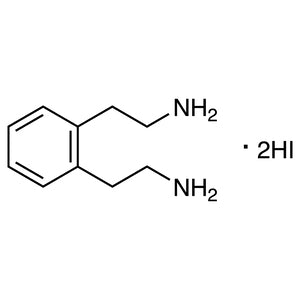
Dihydroiodide TCI B6569
Regular price From Rp 1.936.200,00Regular price -
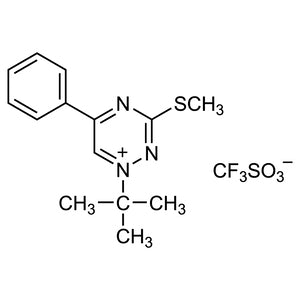
Trifluoromethanesulfonate TCI B7003
Regular price From Rp 1.936.200,00Regular price
![5,10-Bis(4,4,5,5-tetramethyl-1,3,2-dioxaborolan-2-yl)naphtho[1,2-c:5,6-c']bis([1,2,5]oxadiazole) - TCI B5774 - AMI Scientific](http://amiscientific.com/cdn/shop/files/TCI2510B5774.jpg?v=1769180228&width=533)