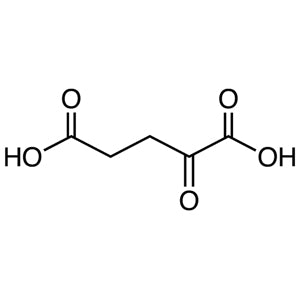
2-Oxoglutaric Acid (2-OGA) is a chemical compound that plays a significant role in various laboratory reactions. As a fundamental building block in organic chemistry, it is widely used in the synthesis of complex organic compounds. Its simple carbon structure provides a versatile platform for chemical modifications, making it a valuable reagent in synthetic processes. Due to its reactivity, 2-OGA is frequently employed in research involving organic chemistry and pharmaceutical synthesis. Its ability to undergo substitution, esterification, and other reactions makes it an essential component in many chemical protocols.
The chemical properties of 2-OGA make it a preferred choice for laboratory applications. It exhibits stability under certain conditions but remains highly reactive to temperature changes and oxidizing agents. This reactivity allows it to participate in a wide range of chemical transformations, including those requiring activation or structural modification. Its solubility in organic solvents such as ethyl acetate and acetone further enhances its utility in synthetic reactions. These characteristics make it a reliable and effective reagent for researchers working in diverse chemical fields.
In Indonesian laboratories, 2-Oxoglutaric Acid is commonly used in chemical, pharmaceutical, and biotechnology research. It is particularly relevant for studies involving the synthesis of new compounds, drug development, and chemical reaction mechanisms. Its availability and chemical versatility make it a staple in both academic and industrial research settings. Researchers in Indonesia rely on this compound for its consistent performance and adaptability in various experimental contexts.
Related TCI products
- TCI K0007 305-72-6 Disodium 2-Oxoglutarate
- TCI A0145 96-33-3 Methyl Acrylate (stabilized with MEHQ)
- TCI A0045 108-05-4 Vinyl Acetate Monomer (stabilized with HQ)
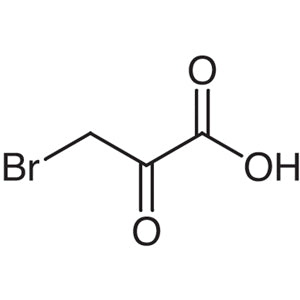
- TCI B1153 1113-59-3 3-Bromopyruvic Acid
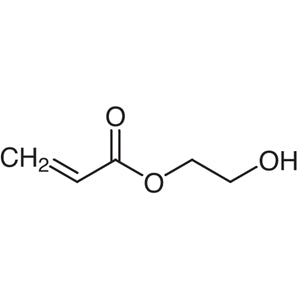
- TCI A0743 818-61-1 2-Hydroxyethyl Acrylate (stabilized with MEHQ)
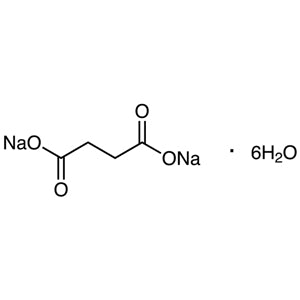
- TCI S0105 6106-21-4 Disodium Succinate Hexahydrate
- Organic Synthesis: 2-Oxoglutaric Acid is ideal for organic synthesis due to its reactivity and ability to undergo substitution and esterification reactions, enabling the creation of complex organic molecules.
- Pharmaceutical Research: It is frequently used in the development of new drugs because of its role in chemical modifications and structural changes necessary for drug molecule design.
- Biochemical Studies: The compound is valuable in biochemical experiments where it can participate in reactions that mimic natural metabolic processes.
- Analytical Chemistry: Its solubility and reactivity make it suitable for use in analytical procedures requiring chemical activation or molecular modification.
- Industrial Chemistry: It is applied in industrial settings where the synthesis of organic compounds requires versatile and reactive building blocks.
| Brand | TCI |
|---|---|
| CAS number | 328-50-7 |
| Molecular formula | — |
| Purity | — |
| Category | Chemistry > Building Blocks > Non-Heterocyclic Building Blocks |
| Pack sizes | Available in various quantities as per supplier specifications |
| Physical form | Solid |
| Storage | Store in a cool, dry place away from heat and oxidizing agents |
2-Oxoglutaric Acid should be stored in a cool, dry environment to maintain its chemical stability. It is recommended to keep it in airtight containers to prevent exposure to moisture and air, which can affect its reactivity. Due to its high reactivity, it should be handled with care, using appropriate personal protective equipment such as gloves and safety goggles. It is important to avoid contact with strong oxidizing agents and high temperatures to prevent unwanted chemical reactions. In laboratory settings, proper ventilation should be ensured when working with this compound to minimize any potential hazards. Always follow standard safety protocols to ensure safe handling and storage.
—
Product Categories
Produk Terkait
-
Disodium2-Oxoglutarate TCI K0007
Regular price Rp 769.650,00Regular priceRp 553.350,00Sale price Rp 769.650,00 -
MethylAcrylate(stabilizedwithMEHQ) TCI A0145
Regular price From Rp 477.750,00Regular priceRp 333.900,00Sale price From Rp 477.750,00 -
VinylAcetateMonomer(stabilizedwithHQ) TCI A0045
Regular price Rp 477.750,00Regular priceRp 333.900,00Sale price Rp 477.750,00 -
3-BromopyruvicAcid TCI B1153
Regular price From Rp 2.332.050,00Regular priceRp 1.646.400,00Sale price From Rp 2.332.050,00 -
2-HydroxyethylAcrylate(stabilizedwithMEHQ) TCI A0743
Regular price From Rp 452.550,00Regular priceRp 316.050,00Sale price From Rp 452.550,00 -
DisodiumSuccinateHexahydrate TCI S0105
Regular price From Rp 530.250,00Regular priceRp 386.400,00Sale price From Rp 530.250,00 -
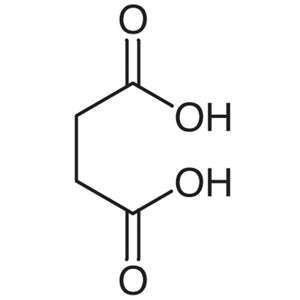
SuccinicAcid TCI S0100
Regular price From Rp 530.250,00Regular priceRp 386.400,00Sale price From Rp 530.250,00 -
PalmiticAcid TCI P1145
Regular price Rp 2.704.800,00Regular priceRp 1.891.050,00Sale price Rp 2.704.800,00