![5418-43-9 5'-Isopropyl-2'-methylindophenol Sodium Salt [Redox Indicator] - AMI Scientific](http://amiscientific.com/cdn/shop/files/TCI2510M0408.jpg?v=1768361315&width=1946)
![5418-43-9 5'-Isopropyl-2'-methylindophenol Sodium Salt [Redox Indicator] - AMI Scientific](http://amiscientific.com/cdn/shop/files/TCI2510M0408.jpg?v=1768361315&width=1445)
5'-Isopropyl-2'-methylindophenol Sodium Salt is a chemical compound widely used as a redox indicator in laboratory settings. It plays a crucial role in identifying oxidation-reduction reactions by changing color in response to the redox state of the solution. This property makes it an essential tool for monitoring complex chemical processes where visual confirmation of reaction progress is required. Its ability to provide immediate and clear visual feedback is particularly valuable in analytical chemistry and qualitative analysis.
The compound is known for its chemical stability under controlled conditions, which ensures reliable performance during experiments. However, it is highly sensitive to changes in pH and ion concentration, making it suitable for applications where precise environmental control is necessary. These characteristics allow researchers to track subtle changes in oxidation states, enhancing the accuracy of experimental outcomes. Its sensitivity also means that it requires careful handling to maintain its effectiveness.
In Indonesian laboratories, this redox indicator is commonly used in chemical research, qualitative analysis, and method development. Its versatility and reliability make it a preferred choice for both academic and industrial applications. The compound's solubility in organic solvents further enhances its usability in a wide range of experimental setups. Its role in visualizing redox reactions is indispensable for students and professionals alike in the field of chemistry.
- Redox Reaction Monitoring: This compound is ideal for tracking oxidation-reduction reactions due to its color change properties, allowing for visual confirmation of reaction progress.
- Qualitative Analysis: It is used in qualitative analysis to detect the presence of specific oxidizing or reducing agents in a solution.
- Chemical Research: Its sensitivity to redox conditions makes it a valuable tool for studying reaction mechanisms and kinetics in chemical research.
- Educational Experiments: It is commonly used in educational settings to demonstrate redox reactions and teach students about oxidation states and indicators.
- Industrial Process Control: In industrial laboratories, it helps monitor and control chemical processes that require precise redox state monitoring.
| Brand | TCI |
|---|---|
| CAS number | 5418-43-9 |
| Molecular formula | — |
| Purity | — |
| Category | Chemistry > Building Blocks > Non-Heterocyclic Building Blocks |
| Pack sizes | Available in various quantities as per standard laboratory supply |
| Physical form | Solid powder |
| Storage | Store in a cool, dry place away from light and moisture |
This compound should be stored in a cool, dry place, away from direct light and moisture to maintain its chemical stability. It is recommended to use airtight containers to prevent exposure to humidity and air, which may affect its sensitivity. Due to its sensitivity to pH and ion concentration, it should be handled with care to avoid contamination. Laboratory personnel should wear appropriate personal protective equipment, such as gloves and safety goggles, when handling the compound. It is important to ensure that the storage area is well-ventilated to prevent the accumulation of any potentially harmful vapors. Proper labeling of containers is essential to ensure safe handling and prevent accidental misuse.
—
Produk Terkait
-
Phenolphthalin[forredoxindicator] TCI P0095
Regular price Rp 1.298.850,00Regular price -
SulfonazoIII[SpectrophotometricreagentforalkalineearthmetalsandindicatorfortheprecipitationtitrationofSO4withBa] TCI A5010
Regular price From Rp 1.193.850,00Regular price -
DimethylsulfonazoIII[SpectrophotometricreagentforalkalineearthmetalsandindicatorfortheprecipitationtitrationofSO4withBa] TCI A5008
Regular price From Rp 2.094.750,00Regular price -
2',7'-Dichlorofluorescein[forFluorescentindicator] TCI D0371
Regular price From Rp 955.500,00Regular price -
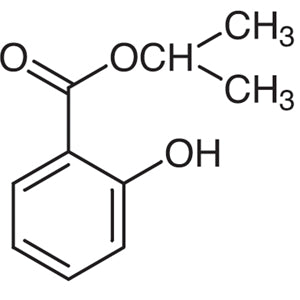
IsopropylSalicylate TCI S0014
Regular price Rp 1.405.950,00Regular price -
4-Isopropyl-3-methylphenol TCI M0409
Regular price From Rp 795.900,00Regular price -
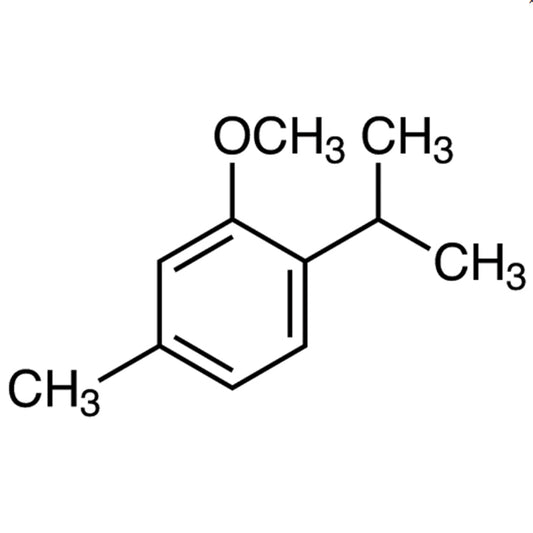
2-Isopropyl-5-methylanisole TCI I0996
Regular price From Rp 1.008.000,00Regular price -
Isopropyl4-Hydroxybenzoate TCI H0494
Regular price From Rp 689.850,00Regular price
![81-90-3 Phenolphthalin [for redox indicator] - AMI Scientific](http://amiscientific.com/cdn/shop/files/TCI2510P0095.jpg?v=1768362337&width=533)
![81-90-3 Phenolphthalin [for redox indicator] - AMI Scientific](http://amiscientific.com/cdn/shop/files/TCI2510P0095_a958ddd1-c0e6-4cb5-b60e-04c29c4303e0.jpg?v=1769057271&width=533)
![68504-35-8 Sulfonazo III [Spectrophotometric reagent for alkaline earth metals and indicator for the precipitation titration of SO4 with Ba] - AMI Scientific](http://amiscientific.com/cdn/shop/files/TCI2510A5010.jpg?v=1769179452&width=533)
![14979-11-4 Dimethylsulfonazo III [Spectrophotometric reagent for alkaline earth metals and indicator for the precipitation titration of SO4 with Ba] - AMI Scientific](http://amiscientific.com/cdn/shop/files/TCI2510A5008.jpg?v=1768358964&width=533)
![2',7'-Dichlorofluorescein [for Fluorescent indicator] (CAS 76-54-0) - TCI D0371 - AMI Scientific](http://amiscientific.com/cdn/shop/files/TCI2510D0371.jpg?v=1771058004&width=533)
![2',7'-Dichlorofluorescein [for Fluorescent indicator] (CAS 76-54-0) - TCI D0371 - AMI Scientific](http://amiscientific.com/cdn/shop/files/TCI2510D0371_ce9ba31d-9c31-48d8-ae37-56d2081e0f23.jpg?v=1771058582&width=533)