Melissic Acid (TCI M0595, CAS 506-50-3) is an organic compound widely used in chemical reactions for the synthesis of complex molecules. It serves as a fundamental building block in laboratory settings, enabling the creation of compounds with specific structural characteristics. This versatile reagent is commonly employed in organic chemistry laboratories to facilitate various synthetic pathways. Its role as a key intermediate allows chemists to manipulate molecular structures through controlled chemical transformations.
Melissic Acid is valued for its chemical stability and reactivity, making it suitable for a range of reactions such as esterification, reduction, and substitution. These properties allow researchers to tailor the reactivity of the compound to suit their experimental needs. Its predictable behavior and compatibility with a variety of reaction conditions make it a preferred choice for both academic and industrial applications. The availability in multiple packaging options further enhances its usability across different laboratory scales.
In Indonesian laboratories, Melissic Acid is extensively used in research across organic chemistry, pharmaceutical development, and cosmetic formulation. Its reliability and consistent quality make it a trusted component in both educational and research environments. The compound’s relevance in these fields underscores its importance in the advancement of scientific knowledge and product development in Indonesia.
- Organic synthesis applications benefit from Melissic Acid’s ability to participate in multiple reaction types, enabling the creation of complex molecules with controlled reactivity.
- Pharmaceutical research utilizes this compound for the development of new drug compounds, as it supports the synthesis of functional groups essential for drug efficacy.
- Cosmetic formulation processes incorporate Melissic Acid due to its chemical versatility, allowing the creation of stable and effective cosmetic ingredients.
- Educational institutions use Melissic Acid in teaching laboratories to demonstrate fundamental chemical reactions and synthetic methodologies.
- Industrial laboratories rely on Melissic Acid for large-scale production of specialty chemicals, leveraging its stability and reactivity in controlled environments.
| Brand | TCI |
|---|---|
| CAS number | 506-50-3 |
| Molecular formula | — |
| Purity | — |
| Category | Chemistry > Building Blocks > Non-Heterocyclic Building Blocks |
| Pack sizes | Available in multiple sizes to suit different laboratory needs |
| Physical form | Solid (exact form may vary by batch) |
| Storage | Store in a cool, dry place away from direct sunlight and moisture |
Melissic Acid should be stored in a cool, dry environment to maintain its chemical stability. It is recommended to keep the compound in airtight containers to prevent moisture absorption and contamination. Laboratory personnel should handle the material with care, using appropriate personal protective equipment such as gloves and safety goggles. Due to its chemical nature, it should be stored separately from incompatible substances to avoid potential reactions. Proper labeling of storage containers is essential for safety and traceability. Regular inspection of storage conditions ensures that the compound remains in optimal condition for use in research and development activities.
—
Produk Terkait
-
TCI B5774 5,10-Bis(4,4,5,5-tetramethyl-1,3,2-dioxaborolan-2-yl)naphtho[1,2-c:5,6-c']bis([1,2,5]oxadiazole)
Regular price Rp 10.255.350,00Regular price -
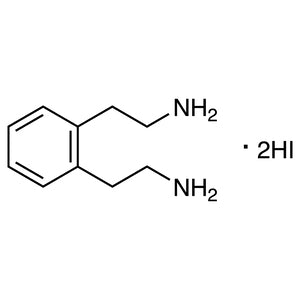
Dihydroiodide TCI B6569
Regular price From Rp 1.936.200,00Regular price -
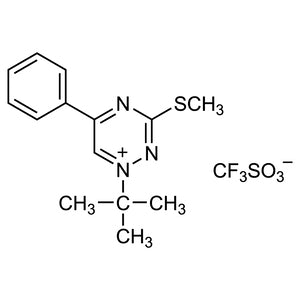
Trifluoromethanesulfonate TCI B7003
Regular price From Rp 1.936.200,00Regular price
![5,10-Bis(4,4,5,5-tetramethyl-1,3,2-dioxaborolan-2-yl)naphtho[1,2-c:5,6-c']bis([1,2,5]oxadiazole) - TCI B5774 - AMI Scientific](http://amiscientific.com/cdn/shop/files/TCI2510B5774.jpg?v=1769180228&width=533)