

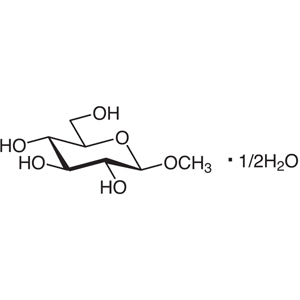
Methyl beta-D-Glucopyranoside Hemihydrate is a chemical compound widely utilized in laboratory settings for its role in chemical and biochemical experiments. This compound is essential in the study of glycosides and carbohydrate structures, making it a valuable tool for researchers in various scientific disciplines. Its presence in laboratory experiments allows for the investigation of molecular interactions and metabolic processes, contributing to advancements in both basic and applied research. Due to its versatility, it is frequently used in studies related to drug development and molecular biology.
The compound's unique properties make it a preferred choice for laboratory applications. As a hemihydrate, it exhibits a stable crystalline structure, which enhances its solubility in both organic solvents and water. This solubility profile allows for easy incorporation into various experimental protocols. Additionally, its ability to interact with a range of biological molecules makes it suitable for a wide array of biochemical assays. The high purity and chemical stability of Methyl beta-D-Glucopyranoside Hemihydrate ensure reliable and reproducible results, which are critical in scientific research.
In Indonesian laboratories, this compound is commonly used as a foundational material in biochemical, pharmaceutical, and organic chemistry research. Local researchers frequently employ it in drug development projects, molecular structure studies, and glycoside modification experiments. Its reliability and consistent performance make it a trusted choice for both academic and industrial research settings in Indonesia.
TCI brochures (PDF)
Related TCI products
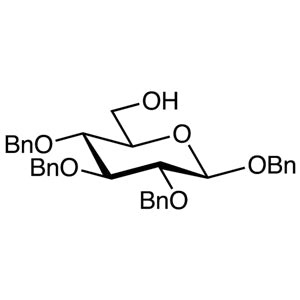
- TCI B4171 27851-29-2 Benzyl 2,3,4-Tri-O-benzyl-beta-D-glucopyranoside
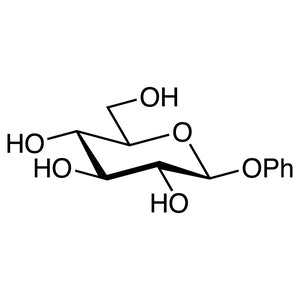
- TCI P0178 1464-44-4 Phenyl beta-D-Glucopyranoside
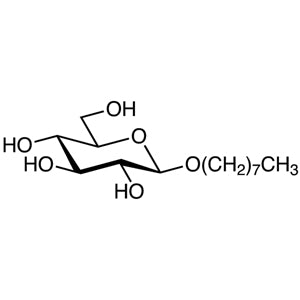
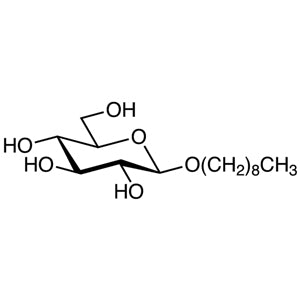
- TCI O0355 29836-26-8 n-Octyl beta-D-Glucopyranoside [for Biochemical Research]
- TCI O0232 29836-26-8 n-Octyl beta-D-Glucopyranoside
- TCI N0909 69984-73-2 Nonyl beta-D-Glucopyranoside
- TCI M0228 97-30-3 Methyl alpha-D-Glucopyranoside
- Biochemical research utilizes this compound for studying carbohydrate metabolism and glycosidic bond formation due to its structural similarity to natural sugars.
- Pharmaceutical development benefits from its use in the synthesis of glycoside-based drugs, as it provides a stable starting material for complex molecular modifications.
- Molecular biology experiments incorporate it to investigate molecular interactions and binding affinities with proteins and enzymes.
- Organic chemistry laboratories use it as a reagent in the preparation of glycosyl derivatives, supporting the synthesis of various organic compounds.
- Structural analysis in glycoscience relies on its predictable behavior in chromatographic and spectroscopic techniques for accurate identification and quantification.
| Brand | TCI |
|---|---|
| CAS number | 709-50-2 |
| Molecular formula | — |
| Purity | — |
| Category | Chemistry > Chemical Biology > Glycoscience |
| Pack sizes | Available in various quantities as per standard laboratory supply formats |
| Physical form | Solid hemihydrate |
| Storage | Store in a cool, dry place away from moisture and direct sunlight |
Methyl beta-D-Glucopyranoside Hemihydrate should be stored in a cool, dry environment to maintain its stability and prevent degradation. It is recommended to keep the compound in airtight containers to minimize exposure to moisture and humidity, which can affect its crystalline structure and solubility properties. Since it is a solid hemihydrate, it is important to ensure that the storage area is free from contaminants that may compromise its purity. In laboratory settings, it should be handled with standard chemical safety practices, including the use of gloves and proper ventilation when working with large quantities. Regular monitoring of storage conditions will help ensure the compound remains suitable for use in research applications.
—
Product Categories
Produk Terkait
-
Benzyl2,3,4-Tri-O-benzyl-beta-D-glucopyranoside TCI B4171
Regular price Rp 3.870.300,00Regular price -
Phenylbeta-D-Glucopyranoside TCI P0178
Regular price Rp 848.400,00Regular price -
n-Octylbeta-D-Glucopyranoside[forBiochemicalResearch] TCI O0355
Regular price Rp 2.650.200,00Regular price -
n-Octylbeta-D-Glucopyranoside TCI O0232
Regular price From Rp 1.803.900,00Regular price -
Nonylbeta-D-Glucopyranoside TCI N0909
Regular price Rp 3.976.350,00Regular price -
Methylalpha-D-Glucopyranoside TCI M0228
Regular price From Rp 452.550,00Regular price -
4-Nitrophenylalpha-D-Glucopyranoside[Substrateforalpha-D-Glucosidase] TCI N0493
Regular price From Rp 2.147.250,00Regular price -
4-Nitrophenylbeta-D-GlucopyranosideMonohydrate[Substrateforbeta-D-Glucosidase] TCI N0235
Regular price From Rp 2.359.350,00Regular price
![29836-26-8 n-Octyl beta-D-Glucopyranoside [for Biochemical Research] - AMI Scientific](http://amiscientific.com/cdn/shop/files/TCI2510O0355.jpg?v=1767131790&width=533)

![3767-28-0 4-Nitrophenyl alpha-D-Glucopyranoside [Substrate for alpha-D-Glucosidase] - AMI Scientific](http://amiscientific.com/cdn/shop/files/TCI2510N0493.jpg?v=1767129938&width=533)
![2492-87-7 4-Nitrophenyl beta-D-Glucopyranoside Monohydrate [Substrate for beta-D-Glucosidase] - AMI Scientific](http://amiscientific.com/cdn/shop/files/TCI2510N0235.jpg?v=1767129472&width=533)