1-Methylguanidine Sulfate is a chemical compound widely used in laboratory settings, particularly in the synthesis of complex molecules. It serves as a key reagent in organic chemistry, playing a crucial role in reactions that require strong nucleophilic or basic properties. This compound is commonly found in chemical laboratories as a building block for the preparation of heterocyclic compounds and other complex structures. Its versatility makes it an essential component in various synthetic pathways, especially in the development of pharmaceutical and industrial chemicals.
The chemical properties of 1-Methylguanidine Sulfate make it a preferred choice for many laboratory applications. It exhibits high reactivity, allowing it to participate in substitution reactions and bond formation processes efficiently. Its stability under controlled conditions ensures reliable results, while its ability to interact with a wide range of functional groups enhances its utility. These characteristics make it a valuable tool for chemists working on diverse projects, from drug discovery to material synthesis.
In Indonesian laboratories, 1-Methylguanidine Sulfate is extensively used in chemical and pharmaceutical research. It is a common reagent in the synthesis of pharmacologically active compounds and industrial chemicals. Its availability in the local market ensures easy access for researchers and educational institutions. The compound's role in laboratory synthesis is well established, making it a staple in many research facilities across Indonesia.
Related TCI products
- Heterocyclic Compound Synthesis: 1-Methylguanidine Sulfate is ideal for the synthesis of heterocyclic compounds due to its strong nucleophilic properties and ability to form stable intermediates.
- Pharmaceutical Research: This compound is frequently used in the development of new drugs as it can participate in key synthetic steps in the creation of active pharmaceutical ingredients.
- Industrial Chemical Production: It is utilized in the production of various industrial chemicals due to its reactivity and versatility in different reaction conditions.
- Organic Synthesis Reactions: Its high reactivity makes it suitable for substitution and bond formation reactions, which are fundamental in organic chemistry.
- Research and Development: It is a valuable reagent in R&D settings where the synthesis of complex molecules is required for academic or commercial purposes.
| Brand | TCI |
|---|---|
| CAS number | 598-12-9 |
| Molecular formula | — |
| Purity | — |
| Category | Chemistry > Building Blocks > Non-Heterocyclic Building Blocks |
| Pack sizes | Available in various quantities as per standard laboratory supply |
| Physical form | Solid powder |
| Storage | Store in a cool, dry place away from moisture and direct sunlight |
1-Methylguanidine Sulfate should be stored in a cool, dry environment to maintain its chemical stability. It is recommended to keep it in a sealed container to prevent exposure to moisture and air. Due to its reactivity, it should be handled with care, using appropriate personal protective equipment such as gloves and goggles. It is advisable to store it in a well-ventilated area to minimize the risk of inhalation. Avoid contact with incompatible materials, and ensure that it is kept away from heat sources. Proper labeling and storage conditions are essential to ensure safety and maintain the integrity of the compound during laboratory use.
—
Produk Terkait
-
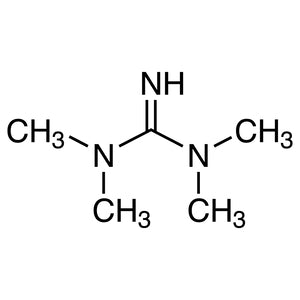
1,1,3,3-Tetramethylguanidine TCI T0148
Regular price From Rp 742.350,00Regular priceRp 534.450,00Sale price From Rp 742.350,00 -
1,1-DimethylguanidineSulfate TCI D1799
Regular price From Rp 637.350,00Regular priceRp 460.950,00Sale price From Rp 637.350,00 -
1,1-DiethylguanidineSulfate TCI D2035
Regular price From Rp 2.809.800,00Regular priceRp 1.980.300,00Sale price From Rp 2.809.800,00 -
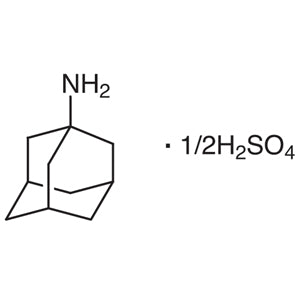
1-AdamantanamineSulfate TCI A1319
Regular price Rp 1.220.100,00Regular priceRp 868.350,00Sale price Rp 1.220.100,00 -
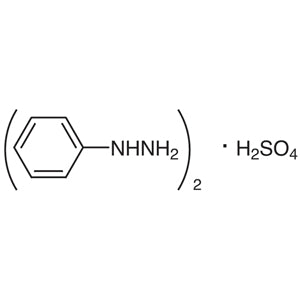
PhenylhydrazineSulfate TCI P0186
Regular price Rp 1.298.850,00Regular priceRp 924.000,00Sale price Rp 1.298.850,00 -
1,4-PhenylenediamineSulfate TCI P0175
Regular price Rp 530.250,00Regular priceRp 370.650,00Sale price Rp 530.250,00 -
1,3-PhenylenediamineSulfate TCI P0174
Regular price Rp 505.050,00Regular priceRp 352.800,00Sale price Rp 505.050,00