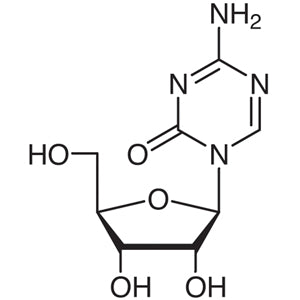
1-Methylpseudouridine is a chemical compound widely used in the field of chemical biology, particularly in the study of nucleic acids. As an analog of uridine, one of the fundamental components of RNA, it plays a crucial role in synthetic RNA modification processes. In laboratory settings, it is essential for the development of RNA-based therapeutics and for testing RNA function in translation processes. Its structural similarity to uridine allows it to act as a substrate or modification in various biochemical reactions, making it a versatile tool for researchers.
This compound is known for its stable chemical structure and ability to interact with enzymes and proteins involved in RNA-related biochemical processes. Its chemical properties enable it to be used under a variety of reaction conditions, including RNA synthesis and modification reactions. The compound's resistance to chemical degradation further enhances its utility in laboratory experiments, ensuring consistency and reliability in research outcomes.
In Indonesian laboratories, 1-Methylpseudouridine is highly relevant for biomedical research, biotechnology, and chemical biology studies. It is commonly used in academic and research institutions across the country to investigate RNA behavior, develop new therapeutic approaches, and explore molecular mechanisms in biological systems.
Advantages (TCI brochure)
- Read like uridine (U) in protein biosynthesis
- Enables comparatively high protein yields
- Enhances immune evasion
- Enhances protein production
- Consequently improves vaccine efficacy
TCI brochures (PDF)
- Nucleoside Analogs for Synthetic mRNA Pseudouridines 2025-11-25 · p. 1
- Modified RNA Nucleotide N1-Methylpseudouridine 5'-Triphosphate 2025-07-25 · p. 1
- Base-Modified Nucleoside Triphosphates for the Development of mRNA Medicines 2025-05-26 · p. 1
- Methylated Nucleoside in the 5’-Terminal Structure of Eukaryotic mRNA 2025-04-14 · p. 1
- Base Modified Nucleosides and Nucleotides for Epigenetic Research 2025-04-14 · p. 1
- RNA synthesis and modification experiments due to its structural similarity to uridine and compatibility with enzymatic processes.
- Development of RNA-based therapeutics for targeted gene expression and therapeutic applications in biotechnology.
- Functional studies of RNA in translation processes to understand gene expression mechanisms in biological systems.
- Biochemical assays involving RNA-interacting enzymes and proteins for molecular interaction analysis.
- Research in nucleic acid chemistry for the design of novel RNA structures and molecular probes.
From the TCI brochure
- Synthetic mRNA for vaccine development
| Brand | TCI |
|---|---|
| CAS number | 13860-38-3 |
| Molecular formula | — |
| Purity | — |
| Category | Chemistry > Chemical Biology > Nucleic Acid Chemistry |
| Pack sizes | Available in various quantities as per supplier specifications |
| Physical form | Solid powder |
| Storage | Store in a cool, dry place away from light and moisture |
1-Methylpseudouridine should be stored in a cool, dry environment, away from direct light and moisture to maintain its chemical stability. It is recommended to use airtight containers to prevent exposure to humidity and potential degradation. In laboratory settings, it is important to handle the compound with proper personal protective equipment, such as gloves and safety goggles, to ensure safe handling. The compound is generally non-hazardous but should be kept out of reach of children and not ingested. Regular monitoring of storage conditions is advised to ensure the integrity of the material for research purposes.
References cited in the TCI brochure
- Oliwia Andries. N1-methylpseudouridine-incorporated mRNA outperforms pseudouridine-incorporated mRNA by providing enhanced protein expression and reduced immunogenicity in mammalian cell lines and mice Journal of Controlled Release, 2015. doi:10.1016/j.jconrel.2015.08.051
- Kellie D. Nance. Modifications in an Emergency: The Role of N1-Methylpseudouridine in COVID-19 Vaccines ACS Central Science, 2021. doi:10.1021/acscentsci.1c00197
Product Categories
Produk Terkait
-
Pseudouridine TCI P2396
Regular price Rp 9.063.600,00Regular priceRp 6.353.550,00Sale price Rp 9.063.600,00 -
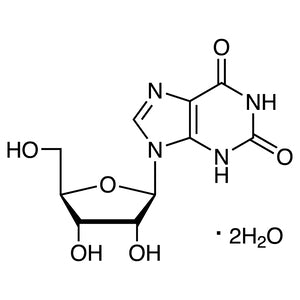
XanthosineDihydrate TCI X0008
Regular price Rp 1.167.600,00Regular priceRp 831.600,00Sale price Rp 1.167.600,00 -
2-Thiouridine TCI T4108
Regular price Rp 3.683.400,00Regular priceRp 2.591.400,00Sale price Rp 3.683.400,00 -
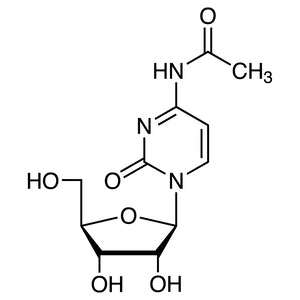
N4-Acetylcytidine TCI A3535
Regular price From Rp 1.246.350,00Regular priceRp 887.250,00Sale price From Rp 1.246.350,00 -
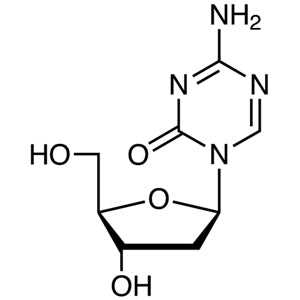
5-Aza-2'-deoxycytidine TCI A2232
Regular price From Rp 3.419.850,00Regular priceRp 2.406.600,00Sale price From Rp 3.419.850,00 -
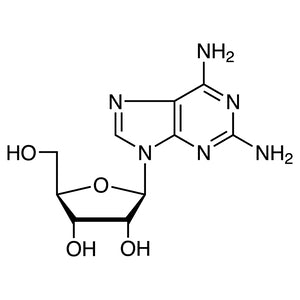
2-Aminoadenosine TCI A2135
Regular price From Rp 1.060.500,00Regular priceRp 757.050,00Sale price From Rp 1.060.500,00 -
5-Azacytidine TCI A2033
Regular price From Rp 1.167.600,00Regular priceRp 831.600,00Sale price From Rp 1.167.600,00 -
6-Azauridine TCI A0559
Regular price Rp 505.050,00Regular priceRp 368.550,00Sale price Rp 505.050,00