Nonylbenzene is a chemical compound widely used in various chemical reactions and organic synthesis processes. As a fundamental component in organic chemistry, it serves as a solvent or raw material in the production of complex compounds. Its unique molecular structure, with a nonyl chain attached to a benzene ring, gives it distinct chemical properties that make it valuable in laboratory settings. In research and development, nonylbenzene plays a crucial role in facilitating chemical synthesis and analytical procedures.
The compound is known for its non-polar and volatile nature, which allows it to evaporate quickly and accelerate specific chemical reactions. These characteristics make it a preferred choice for applications requiring non-polar solvents or in extraction processes. Its volatility also enables it to be used in reactions where rapid evaporation is beneficial. Additionally, nonylbenzene exhibits good chemical stability under normal conditions, making it reliable for use and storage in laboratory environments.
In Indonesian laboratories, nonylbenzene is extensively used in chemical research, particularly in organic synthesis and analytical chemistry. Many research institutions and universities rely on this compound for experiments that require specific chemical properties. Its versatility and effectiveness make it a common choice for a wide range of experimental needs in both academic and industrial settings.
- Organic synthesis reactions benefit from nonylbenzene's non-polar nature, making it an ideal solvent for dissolving hydrophobic compounds and facilitating reaction efficiency.
- Extraction processes often utilize nonylbenzene due to its ability to dissolve non-polar substances, aiding in the separation of compounds from complex mixtures.
- Chromatographic techniques may use nonylbenzene as a mobile phase, leveraging its volatility and solubility properties to enhance separation efficiency.
- Analytical chemistry applications rely on nonylbenzene for its stability and purity, ensuring accurate and reproducible results in spectroscopic and chromatographic analyses.
- Industrial chemical processes incorporate nonylbenzene as a building block, supporting the production of more complex organic compounds through various synthetic pathways.
| Brand | TCI |
|---|---|
| CAS number | 1081-77-2 |
| Molecular formula | — |
| Purity | — |
| Category | Chemistry > Building Blocks > Non-Heterocyclic Building Blocks |
| Pack sizes | Available in various quantities as per standard laboratory supply |
| Physical form | Liquid |
| Storage | Store in a cool, dry place away from direct sunlight and incompatible materials |
Nonylbenzene should be stored in a cool, dry location, away from direct sunlight and sources of heat. It is recommended to use sealed containers made of materials compatible with organic solvents, such as glass or stainless steel. Due to its volatility, proper ventilation is essential when handling the compound to minimize exposure. Laboratory personnel should wear appropriate personal protective equipment, including gloves and safety goggles, to ensure safe handling. Avoid contact with skin and eyes, and keep the compound away from incompatible substances like strong oxidizing agents. Regular monitoring of storage conditions is advised to maintain the compound’s stability and effectiveness in laboratory applications.
—
Produk Terkait
-
1,3,5-Triethynylbenzene TCI T2760
Regular price From Rp 3.578.400,00Regular price -
1-Butyl-4-ethynylbenzene TCI B2301
Regular price From Rp 980.700,00Regular price -
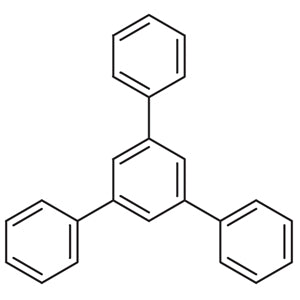
1,3,5-Triphenylbenzene TCI T0509
Regular price Rp 1.881.600,00Regular price -
1,2,4-Triphenylbenzene TCI P2693
Regular price From Rp 1.378.650,00Regular price -
Hexaphenylbenzene TCI H1412
Regular price From Rp 1.749.300,00Regular price -
1-Ethyl-4-ethynylbenzene TCI E0749
Regular price From Rp 3.551.100,00Regular price -
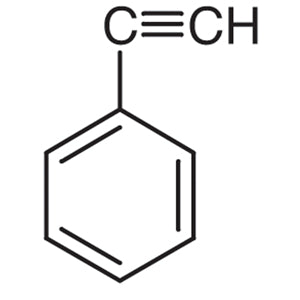
Ethynylbenzene TCI E0196
Regular price From Rp 1.405.950,00Regular price -
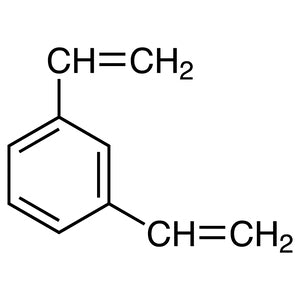
1,3-Divinylbenzene(stabilizedwithTBC) TCI D6174
Regular price From Rp 2.809.800,00Regular price