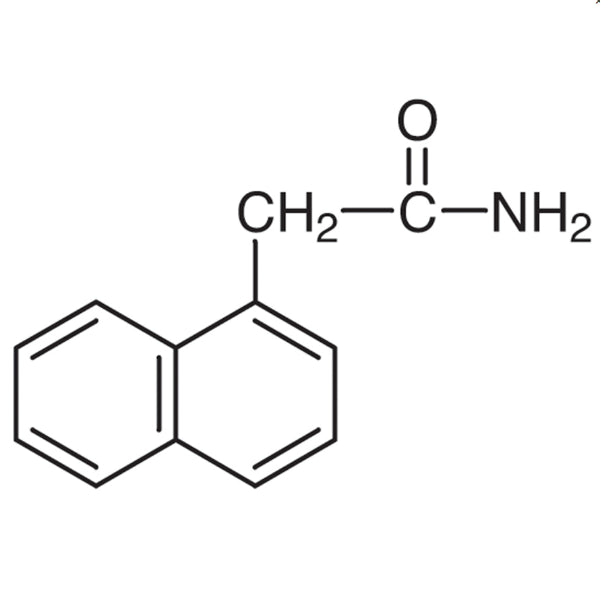
TCI N0624 2-(1-Naphthyl)acetamide, also known as naphthaleneacetamide or NAD, is an amide compound derived from 1-naphthaleneacetic acid. It belongs to the synthetic auxin class of plant growth regulators. In plant biotechnology and plant physiology laboratories, researchers use 2-(1-Naphthyl)acetamide to study and manipulate how plants respond to auxin. Typical examples include root formation, fruit development and fruit thinning in horticultural crops. It is a useful reference compound for any study of auxin-driven growth.
Researchers choose this compound because it is an auxin analogue that differs from naphthaleneacetic acid (NAA) in its functional group: it carries an amide instead of a carboxylic acid. Because of this difference, its activity and behaviour can be compared directly with other auxins in experimental work. As a synthetic compound, it is generally more stable than natural auxins such as IAA, which makes it practical for long-running experiments. It also widens the range of growth regulators researchers can use to explore how auxin structure relates to physiological responses in plants.
Indonesia has large agriculture and horticulture sectors, so this compound is relevant to plant tissue culture laboratories, plant physiology research groups and horticultural studies. University departments of agriculture and biology, crop research institutes and commercial plant propagation laboratories may use it to compare auxin treatments, develop rooting protocols or study fruit set and thinning. Its stability suits multi-week trials, which are common in plant growth and propagation research.
TCI brochures (PDF)
- Synthetic Auxin and Selective Binding to Modified Receptor 2025-05-26 · p. 2
- Plant Hormones 2025-01-30 · p. 1
- Agrochemical Ingredients for Research and Experimental Use 2026-01-08 · p. 7
- Plant Research Reagents 2026-02-24 · p. 13
- Reagents for Biological Research 2025-03-11 · p. 55
Related TCI products
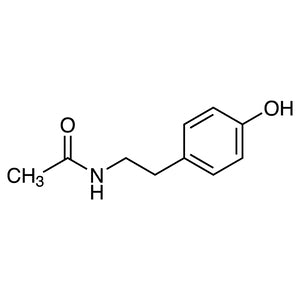
- TCI A3518 1202-66-0 N-(4-Hydroxyphenethyl)acetamide
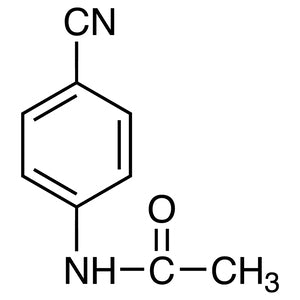
- TCI A2173 35704-19-9 N-(4-Cyanophenyl)acetamide
- TCI P3170 36065-27-7 N-(1-Phenylethyl)acetamide
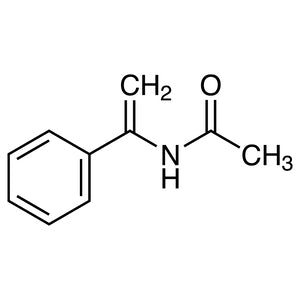
- TCI P3046 57957-24-1 N-(1-Phenylethenyl)acetamide
- TCI P1066 877-95-2 N-(2-Phenylethyl)acetamide
- TCI N1160 1166232-68-3 N,N'-(Naphthalene-1,5-diyl)bis[2-(aminooxy)acetamide]
- Root formation studies: As a synthetic auxin, 2-(1-Naphthyl)acetamide can be used to study and trigger root development in cuttings and explants under controlled laboratory conditions.
- Fruit thinning research: Horticultural researchers can use this compound to examine fruit thinning in crops, because it is one of the auxins associated with this response.
- Fruit development studies: Its auxin activity makes it suitable for experiments on fruit set and fruit growth, helping researchers understand hormonal control of reproductive development in plants.
- Comparative auxin structure–activity research: Because it carries an amide group instead of the carboxylic acid found in NAA, it is well suited to comparing how auxin structure affects physiological response.
- Long-term plant tissue culture experiments: Its greater stability compared with natural auxins such as IAA makes it practical for extended culture and growth trials where reagent degradation could affect results.
| Brand | TCI (product code N0624) |
|---|---|
| CAS number | 86-86-2 |
| Molecular formula | — |
| Purity | — |
| Category | Life Science > Molecular Biology > Plant Biotechnology |
| Pack sizes | check the product listing for available pack sizes |
| Physical form | — |
| Storage | keep in a tightly closed container in a cool, dry place; follow the storage conditions on the TCI label and Safety Data Sheet |
- Synonyms: Naphthaleneacetamide, NAD
Store 2-(1-Naphthyl)acetamide in its original, tightly sealed container in a cool, dry, well-ventilated area, away from direct sunlight, moisture and incompatible substances such as strong oxidising agents. Always follow the storage conditions on the TCI label and Safety Data Sheet. When preparing stock solutions, use clean glass or chemically compatible containers and label them clearly with the compound name, concentration and preparation date. Wear standard laboratory protective equipment, including gloves, safety glasses and a lab coat. Avoid breathing in dust and avoid contact with skin and eyes. Weigh and handle the material in a well-ventilated area or fume hood. Dispose of waste according to local regulations and your institution's chemical waste procedures.
—
Product Categories
Produk Terkait
-
N-(4-Hydroxyphenethyl)acetamide TCI A3518
Regular price From Rp 2.704.800,00Regular price -
N-(4-Cyanophenyl)acetamide TCI A2173
Regular price From Rp 1.035.300,00Regular price -
N-(1-Phenylethyl)acetamide TCI P3170
Regular price From Rp 1.035.300,00Regular price -
N-(1-Phenylethenyl)acetamide TCI P3046
Regular price Rp 4.743.900,00Regular price -
N-(2-Phenylethyl)acetamide TCI P1066
Regular price Rp 1.724.100,00Regular price -
N,N'-(Naphthalene-1,5-diyl)bis[2-(aminooxy)acetamide] TCI N1160
Regular price Rp 3.155.250,00Regular price -
N-(Naphthalen-2-yl)acetamide TCI N0051
Regular price Rp 3.472.350,00Regular price -
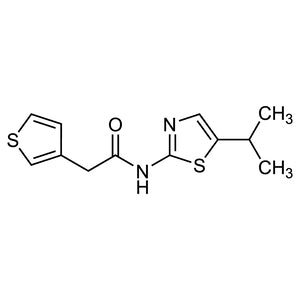
N-(5-Isopropylthiazol-2-yl)-2-(thiophen-3-yl)acetamide TCI M3882
Regular price Rp 2.411.850,00Regular price


![1166232-68-3 N,N'-(Naphthalene-1,5-diyl)bis[2-(aminooxy)acetamide] - AMI Scientific](http://amiscientific.com/cdn/shop/files/TCI2510N1160.jpg?v=1767130852&width=533)
![N,N'-(Naphthalene-1,5-diyl)bis[2-(aminooxy)acetamide] - brosur TCI: Cross-linker to Stabilize DNA Duplexes](http://amiscientific.com/cdn/shop/files/TCI_Brochure_RR153_hal1.png?v=1791547469&width=533)