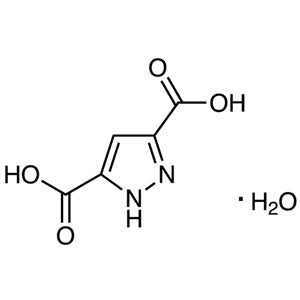
2,3-Norbornanedicarboxylic Acid is an organic compound widely used in scientific research, particularly in the fields of materials science and chemical engineering. This compound plays a crucial role in the synthesis of complex molecules, especially in the development of metal-organic frameworks (MOFs). Its unique chemical structure enables it to participate in various chemical reactions where stability and reactivity are essential. In laboratory settings, it is a key component in reactions that require controlled structural integrity and functional group participation.
The compound is valued for its chemical stability, ability to form covalent bonds, and reactive properties that make it suitable for a wide range of synthesis processes. Its norbornane ring structure provides additional stability and contributes to its unique reactivity in chemical interactions. These characteristics make it a preferred choice for researchers working on advanced material synthesis and functional chemistry. The compound’s versatility allows it to be used in multiple experimental setups, supporting both fundamental and applied research.
In Indonesian laboratories, 2,3-Norbornanedicarboxylic Acid is commonly used in research related to innovative materials, including the development of MOFs and composite materials. Scientists in educational institutions and research organizations frequently utilize this compound for its reliability and performance in chemical synthesis processes. Its application supports the advancement of material science and chemical engineering research in the region.
TCI brochures (PDF)
- Organic Linker Molecules for Metal Organic Frameworks (MOFs) 2026-05-11 · p. 3
- Biomaterials Research Reagents 2025-02-19 · p. 22
- Monomers 2025-05-28 · p. 35
Related TCI products
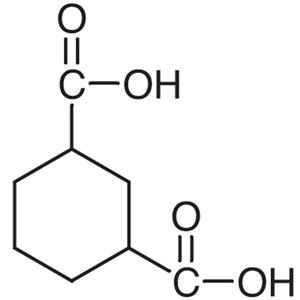
- TCI C2186 3971-31-1 1,3-Cyclohexanedicarboxylic Acid (cis- and trans- mixture)
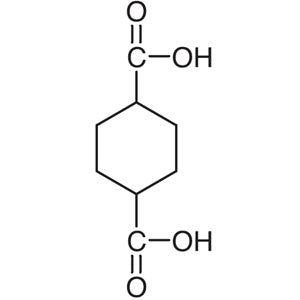
- TCI C0788 1076-97-7 1,4-Cyclohexanedicarboxylic Acid (cis- and trans- mixture)
- TCI A0088 142-45-0 Acetylenedicarboxylic Acid
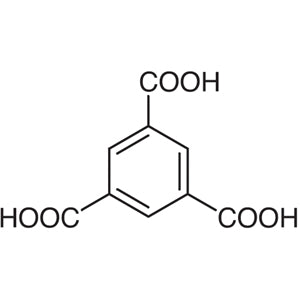
- TCI B0043 554-95-0 1,3,5-Benzenetricarboxylic Acid
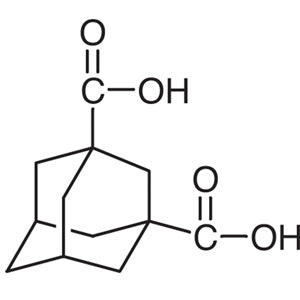
- TCI A1358 39269-10-8 1,3-Adamantanedicarboxylic Acid
- TCI T0166 100-21-0 Terephthalic Acid
- Metal-organic frameworks (MOFs) synthesis due to its ability to form stable covalent bonds and participate in complex chemical reactions.
- Organic synthesis of functional materials where controlled reactivity and structural stability are required.
- Composite material development as a building block for creating advanced hybrid materials with unique properties.
- Catalytic processes that benefit from the compound’s reactivity and chemical stability in reaction environments.
- Filtration and gas storage applications where the compound contributes to the structural integrity of MOF-based materials.
| Brand | TCI |
|---|---|
| CAS number | 1724-08-9 |
| Molecular formula | — |
| Purity | — |
| Category | Materials Science > Organic-Inorganic Hybrid Materials > Metal Organic Frameworks (MOF) and Their Raw Materials |
| Pack sizes | Available in various quantities as per supplier specifications |
| Physical form | Solid |
| Storage | Store in a cool, dry place away from direct sunlight and moisture |
This compound should be stored in a cool, dry environment to maintain its chemical stability and prevent degradation. It is recommended to use airtight containers to protect it from moisture and contaminants. Proper labeling of storage containers is essential for safe handling and identification. Laboratory personnel should wear appropriate personal protective equipment, such as gloves and safety goggles, when handling the compound. It should be kept away from incompatible substances to avoid any potential chemical reactions. Regular inspection of storage conditions ensures the compound remains in optimal condition for use in research applications.
—
Product Categories
- Organic-Inorganic Hybrid MaterialsMetal Organic Frameworks (MOF) and Their Raw MaterialsOrganic Linker Molecules [Metal Organic Frameworks (MOFs) Precursors]
- Polymer/Macromolecule ReagentsMetal Organic Frameworks (MOF) and Their Raw MaterialsOrganic Linker Molecules [Metal Organic Frameworks (MOFs) Precursors]
- Polymer/Macromolecule ReagentsMonomersDicarboxylic Acid Monomers
- Biomaterials/Biocompatible Materials Research ReagentsMonomers and Macromonomers [Biomaterials/Biocompatible Materials Research Reagents]Dicarboxylic Acid Monomers [Biomaterials/Biocompatible Materials Research Reagents]
Produk Terkait
-
1,3-CyclohexanedicarboxylicAcid(cis-andtrans-mixture) TCI C2186
Regular price From Rp 1.856.400,00Regular priceRp 1.297.800,00Sale price From Rp 1.856.400,00 -
1,4-CyclohexanedicarboxylicAcid(cis-andtrans-mixture) TCI C0788
Regular price Rp 743.400,00Regular priceRp 519.750,00Sale price Rp 743.400,00 -
AcetylenedicarboxylicAcid TCI A0088
Regular price From Rp 1.220.100,00Regular priceRp 868.350,00Sale price From Rp 1.220.100,00 -
1,3,5-BenzenetricarboxylicAcid TCI B0043
Regular price From Rp 1.035.300,00Regular priceRp 723.450,00Sale price From Rp 1.035.300,00 -
1,3-AdamantanedicarboxylicAcid TCI A1358
Regular price From Rp 1.749.300,00Regular priceRp 1.223.250,00Sale price From Rp 1.749.300,00 -
TerephthalicAcid TCI T0166
Regular price From Rp 452.550,00Regular priceRp 316.050,00Sale price From Rp 452.550,00 -
Pyrazole-3,5-dicarboxylicAcidMonohydrate TCI P1048
Regular price From Rp 1.483.650,00Regular priceRp 1.053.150,00Sale price From Rp 1.483.650,00 -
2,3-PyrazinedicarboxylicAcid TCI P0545
Regular price Rp 1.829.100,00Regular priceRp 1.294.650,00Sale price Rp 1.829.100,00