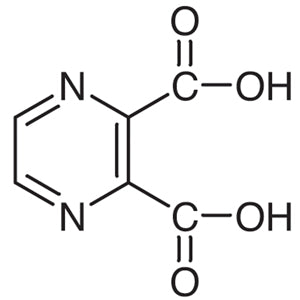
2,3-Pyrazinedicarboxylic Acid is a chemical compound widely used in organic synthesis reactions, particularly in the production of heterocyclic compounds. This material plays a crucial role in laboratories where the synthesis of complex molecules with pyrazine ring structures is required. Its versatility makes it an essential component in chemical research, enabling the development of new compounds with diverse functional groups. As a building block in heterocyclic chemistry, it is highly valued for its ability to participate in various synthetic pathways.
The compound is known for its chemical stability under controlled conditions, making it a reliable choice for laboratory use. Its reactivity with different functional groups allows for the creation of a wide range of derivatives, which are valuable in both academic and industrial research. The molecular structure of 2,3-Pyrazinedicarboxylic Acid provides it with the potential to engage in substitution, coupling, and redox reactions, expanding its utility in synthetic chemistry. These properties make it a preferred choice for chemists seeking to explore new chemical transformations.
In Indonesian laboratories, 2,3-Pyrazinedicarboxylic Acid is commonly used in both fundamental and applied chemical research, especially in the fields of pharmaceuticals and materials science. Its availability and high quality make it a go-to material for researchers conducting experiments and developing new products. The compound's role in synthetic applications is well-established, contributing to the advancement of chemical innovation in the region.
- Organic Synthesis: This compound is ideal for creating heterocyclic structures due to its ability to form stable intermediates in synthetic pathways.
- Pharmaceutical Research: It is frequently used in the development of new drugs, as it can participate in reactions that lead to bioactive molecules.
- Material Science: Its chemical versatility allows for the synthesis of advanced materials with tailored properties.
- Redox Reactions: The compound’s reactivity makes it suitable for redox processes, enabling the formation of complex molecular architectures.
- Functional Group Modification: It serves as a valuable reagent for modifying existing molecules by introducing or altering functional groups.
| Brand | TCI |
|---|---|
| CAS number | 89-01-0 |
| Molecular formula | — |
| Purity | — |
| Category | Chemistry > Building Blocks > Heterocyclic Building Blocks |
| Pack sizes | Available in various quantities as per standard laboratory supply |
| Physical form | Solid |
| Storage | Store in a cool, dry place away from moisture and direct sunlight |
2,3-Pyrazinedicarboxylic Acid should be stored in a cool, dry environment to maintain its chemical stability. It is recommended to keep the compound in airtight containers to prevent exposure to moisture and air, which could affect its integrity. Due to its potential reactivity with certain chemicals, it should be handled with care, using appropriate personal protective equipment such as gloves and safety goggles. It is advisable to store it separately from strong oxidizing or reducing agents to avoid unwanted reactions. Proper labeling and storage conditions ensure the safety and effectiveness of the compound in laboratory settings.
—
Produk Terkait
-
AcetylenedicarboxylicAcid TCI A0088
Regular price From Rp 1.167.600,00Regular price -
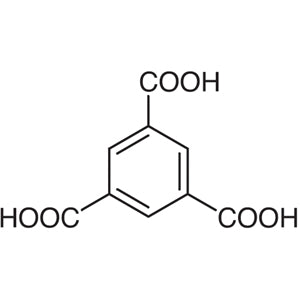
1,3,5-BenzenetricarboxylicAcid TCI B0043
Regular price From Rp 1.035.300,00Regular price -
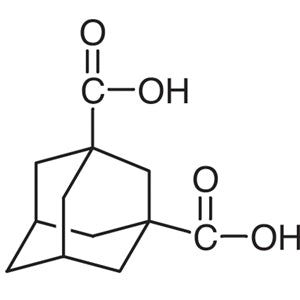
1,3-AdamantanedicarboxylicAcid TCI A1358
Regular price From Rp 1.749.300,00Regular price -
TerephthalicAcid TCI T0166
Regular price From Rp 452.550,00Regular price -
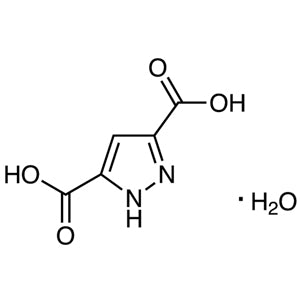
Pyrazole-3,5-dicarboxylicAcidMonohydrate TCI P1048
Regular price From Rp 1.431.150,00Regular price -
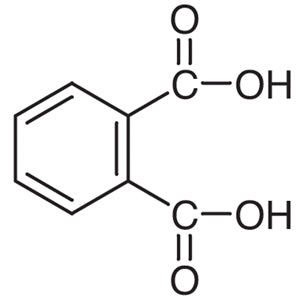
PhthalicAcid TCI P0287
Regular price From Rp 505.050,00Regular price -
5-Norbornene-2,3-dicarboxylicAcid TCI N1029
Regular price From Rp 1.273.650,00Regular price -
2,3-NorbornanedicarboxylicAcid TCI N0753
Regular price Rp 2.199.750,00Regular price