Nuciferine is a naturally occurring alkaloid found in specific plants, particularly within the Papaveraceae family. This compound plays a vital role in scientific research, especially in the fields of biochemistry and pharmacology. In the laboratory, Nuciferine serves as a key reagent for the synthesis of other compounds or as a test material for evaluating biological activities. Its presence in various research settings highlights its importance in advancing scientific understanding and developing new therapeutic approaches.
Nuciferine is valued for its stable chemical properties and its ability to interact with a wide range of reagents. These characteristics make it a preferred choice for experiments requiring precision and reliability. Its molecular structure allows for complex interactions with different chemical agents, making it suitable for advanced analytical techniques. Additionally, its high purity ensures consistent and reproducible results, which are essential in scientific research.
In Indonesian laboratories, Nuciferine is widely used in research projects that require accurate and reliable data. Its application spans across various scientific disciplines, including biochemistry and pharmacology. Researchers rely on its chemical stability and reactivity to conduct experiments that contribute to scientific knowledge and innovation. Its presence in Indonesian laboratories underscores its significance in supporting high-quality research.
- Biochemical Research: Nuciferine is used to study the biochemical pathways and interactions of alkaloids in biological systems.
- Pharmacological Studies: It serves as a model compound for investigating the pharmacological effects of natural alkaloids on cellular and physiological processes.
- Organic Synthesis: Its chemical reactivity makes it an ideal candidate for the synthesis of complex organic molecules and derivatives.
- Quantitative Analysis: The compound's high purity allows it to be used in precise analytical techniques such as HPLC and mass spectrometry.
- Drug Development: Nuciferine is employed in the early stages of drug discovery to evaluate potential therapeutic applications and biological activity.
| Brand | TCI |
|---|---|
| CAS number | 475-83-2 |
| Molecular formula | — |
| Purity | — |
| Category | Life Science > Biochemicals and Reagents > Alkaloids |
| Pack sizes | Available in various quantities as per standard laboratory requirements |
| Physical form | Solid powder |
| Storage | Store in a cool, dry place away from light and moisture |
Nuciferine should be stored in a cool, dry environment, away from direct sunlight and moisture to maintain its chemical stability. It is recommended to use airtight containers made of glass or high-density polyethylene to prevent contamination and degradation. Due to its sensitivity to UV light and oxidation, it is important to handle the compound in a controlled laboratory setting with appropriate safety measures. Always ensure that the storage area is well-ventilated and free from potential chemical interactions. Proper labeling and secure storage are essential to prevent accidental exposure and ensure the integrity of the compound during experimental use.
—
Produk Terkait
-
TCI B5774 5,10-Bis(4,4,5,5-tetramethyl-1,3,2-dioxaborolan-2-yl)naphtho[1,2-c:5,6-c']bis([1,2,5]oxadiazole)
Regular price Rp 10.255.350,00Regular price -
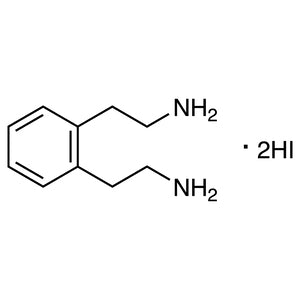
Dihydroiodide TCI B6569
Regular price From Rp 1.936.200,00Regular price -
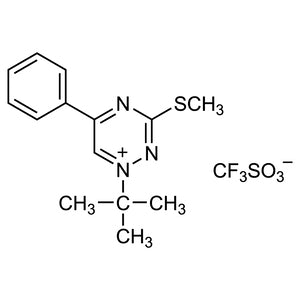
Trifluoromethanesulfonate TCI B7003
Regular price From Rp 1.936.200,00Regular price
![5,10-Bis(4,4,5,5-tetramethyl-1,3,2-dioxaborolan-2-yl)naphtho[1,2-c:5,6-c']bis([1,2,5]oxadiazole) - TCI B5774 - AMI Scientific](http://amiscientific.com/cdn/shop/files/TCI2510B5774.jpg?v=1769180228&width=533)