1-Octyne from TCI is a terminal alkyne with an eight-carbon chain and a triple bond at the end of the chain. It has a slightly acidic acetylenic hydrogen and an electron-rich triple bond, which make it a very versatile non-heterocyclic building block in modern organic synthesis. In the laboratory it is widely used in Sonogashira coupling, azide-alkyne cycloaddition (click chemistry), hydration, hydroboration, and metal acetylide formation. These reactions let chemists add a hexyl chain and an alkyne group to a target molecule.
The main strength of 1-octyne is the selective and predictable reactivity of its terminal alkyne. A strong base can deprotonate the terminal C-H bond, and copper or palladium catalysts can activate it. As a result, it forms carbon-carbon bonds efficiently with many different electrophiles. The hexyl chain makes the molecule lipophilic, and there are no other functional groups to interfere with reactions. For this reason, chemists often choose 1-octyne as a standard model substrate when testing new catalysts. Click reaction products made from 1-octyne are also easy to purify and to characterise by NMR spectroscopy.
In Indonesia, 1-octyne is commonly used in university organic chemistry laboratories, research institutes, and pharmaceutical and materials development facilities. Graduate students and researchers use it for methodology studies, catalyst screening, and synthesis of intermediates for more complex target molecules. It also suits teaching laboratories that show alkyne chemistry and cross-coupling reactions. AMI Scientific supplies TCI reagents to these laboratories, so research groups can get this building block from a recognised international brand for their routine and exploratory synthesis work.
- Sonogashira cross-coupling: the terminal C-H bond reacts efficiently with aryl and vinyl halides under palladium and copper catalysis, giving internal alkynes that carry a hexyl chain.
- Copper-catalysed azide-alkyne cycloaddition (click chemistry): the terminal alkyne reacts selectively with organic azides to form 1,2,3-triazoles, and the products are easy to purify and characterise by NMR.
- Hydration and hydroboration reactions: the electron-rich triple bond converts reliably into ketones or aldehydes, depending on the method chosen, which makes it useful for making carbonyl compounds with a defined chain length.
- Metal acetylide formation: a strong base easily deprotonates the slightly acidic acetylenic hydrogen, giving nucleophilic acetylides that react with many electrophiles to form new carbon-carbon bonds.
- Catalyst evaluation and methodology development: its lipophilic hexyl chain and lack of interfering functional groups make it a standard model substrate for comparing the performance of new catalytic systems.
| Brand | TCI (product code O0050) |
|---|---|
| CAS number | 629-05-0 |
| Molecular formula | — |
| Purity | — |
| Category | Chemistry > Building Blocks > Non-Heterocyclic Building Blocks |
| Pack sizes | please refer to the pack size options listed on the product page |
| Physical form | liquid |
| Storage | keep in a tightly closed container in a cool, well-ventilated place, following the TCI label and Safety Data Sheet |
Store 1-octyne in its original, tightly sealed container in a cool, dry, well-ventilated area, away from heat, sparks, open flames, and other ignition sources. Keep it apart from strong oxidising agents. Handle it in a fume hood and wear suitable protective equipment, including chemical-resistant gloves, safety glasses, and a laboratory coat. Avoid breathing vapours and avoid contact with skin and eyes. Reseal the container promptly after use to limit evaporation and contamination. Always check the TCI Safety Data Sheet for detailed hazard, storage, and disposal information before use, and dispose of waste according to local regulations.
—
Produk Terkait
-
TCI B5774 5,10-Bis(4,4,5,5-tetramethyl-1,3,2-dioxaborolan-2-yl)naphtho[1,2-c:5,6-c']bis([1,2,5]oxadiazole)
Regular price Rp 10.255.350,00Regular price -
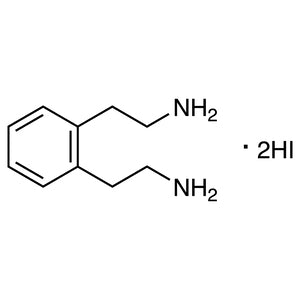
Dihydroiodide TCI B6569
Regular price From Rp 1.936.200,00Regular price -
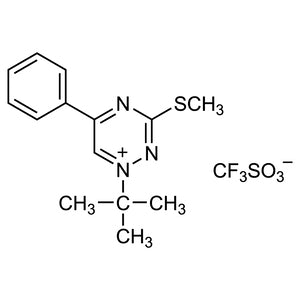
Trifluoromethanesulfonate TCI B7003
Regular price From Rp 1.936.200,00Regular price
![5,10-Bis(4,4,5,5-tetramethyl-1,3,2-dioxaborolan-2-yl)naphtho[1,2-c:5,6-c']bis([1,2,5]oxadiazole) - TCI B5774 - AMI Scientific](http://amiscientific.com/cdn/shop/files/TCI2510B5774.jpg?v=1769180228&width=533)