Oxalacetic Acid from TCI, product code O0072, is also known as oxaloacetic acid. It is a dicarboxylic acid with a ketone group in the alpha position relative to one of its carboxyl groups. In biochemistry it is best known as an intermediate of the citric acid cycle, where it combines with acetyl-CoA to form citrate. It also takes part in gluconeogenesis and amino acid metabolism. In the laboratory, Oxalacetic Acid is mainly used as an enzyme substrate and as a reference material in metabolic research, so it is a core reagent for studies of cellular energy pathways.
Researchers choose this compound because it plays a central role in many enzymatic reactions, including those catalysed by malate dehydrogenase, citrate synthase and aspartate aminotransferase. That makes it a direct substrate for measuring the activity of each of these enzymes in kinetic and diagnostic assays. Its α-keto acid structure with two carboxylic acid groups also makes it a useful building block in synthesis, which is why it sits in the non-heterocyclic building blocks category. Users should keep one point in mind: oxaloacetate is relatively unstable and can decarboxylate spontaneously to pyruvate, especially in solution. For this reason, solutions should be prepared fresh.
In Indonesia, Oxalacetic Acid is needed in biochemistry, molecular biology, medical and pharmacy laboratories. University research groups use it in metabolic studies and teaching practicals that cover the citric acid cycle and enzyme kinetics. Medical and pharmaceutical laboratories rely on it as a substrate for enzyme activity measurements and as a reference compound in metabolic investigations. Synthetic chemistry groups use it as an α-keto dicarboxylic acid building block. Because it is supplied under the TCI brand, laboratories get a consistent, clearly identified source of this compound for their day-to-day work.
- Malate dehydrogenase activity assays: Oxalacetic Acid is the direct substrate of malate dehydrogenase, so it is well suited for measuring this enzyme's activity in kinetic studies.
- Citrate synthase measurements: Oxaloacetate combines with acetyl-CoA to form citrate, which makes it an essential reagent for assaying citrate synthase activity in metabolic research.
- Aspartate aminotransferase studies: Oxaloacetate takes part in the aspartate aminotransferase reaction, so laboratories use it as a substrate when studying this enzyme and amino acid metabolism.
- Metabolic pathway research: As a key intermediate of the citric acid cycle and gluconeogenesis, it is used as a reference material in studies of central carbon metabolism.
- Organic synthesis building block: Its α-keto acid structure with two carboxylic acid groups gives chemists a versatile non-heterocyclic building block for preparing more complex molecules.
| Brand | TCI (product code O0072) |
|---|---|
| CAS number | 328-42-7 |
| Molecular formula | — |
| Purity | — |
| Category | Chemistry > Building Blocks > Non-Heterocyclic Building Blocks |
| Pack sizes | TCI standard pack sizes. Please confirm the available size when you order. |
| Physical form | See the TCI product documentation. |
| Storage | The compound is relatively unstable and can decarboxylate to pyruvate, so solutions should be prepared fresh. |
Keep Oxalacetic Acid in its original, tightly closed container in a cool, dry place away from moisture. Follow the storage conditions on the TCI label and Safety Data Sheet. Oxaloacetate is relatively unstable and can decarboxylate spontaneously to pyruvate, especially in solution. Make solutions fresh just before use and do not store them for long periods. Use clean, dry spatulas and glassware to avoid contamination. Follow standard laboratory practice: wear gloves, safety glasses and a lab coat, avoid breathing in dust, and work in a well-ventilated area. Read the Safety Data Sheet before first use, and dispose of waste according to your institution's rules.
—
Product Categories
Produk Terkait
-
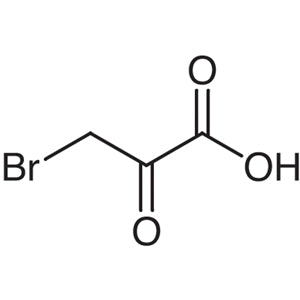
3-BromopyruvicAcid TCI B1153
Regular price From Rp 2.332.050,00Regular priceRp 1.646.400,00Sale price From Rp 2.332.050,00 -
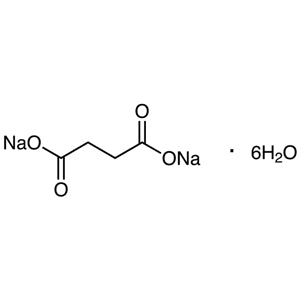
DisodiumSuccinateHexahydrate TCI S0105
Regular price From Rp 530.250,00Regular priceRp 386.400,00Sale price From Rp 530.250,00 -
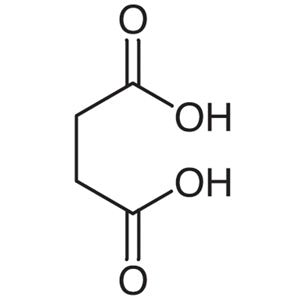
SuccinicAcid TCI S0100
Regular price From Rp 530.250,00Regular priceRp 386.400,00Sale price From Rp 530.250,00 -
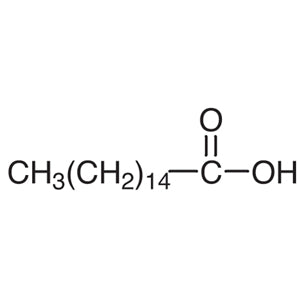
PalmiticAcid TCI P1145
Regular price Rp 2.704.800,00Regular priceRp 1.891.050,00Sale price Rp 2.704.800,00 -
SodiumPyruvate TCI P0582
Regular price From Rp 557.550,00Regular priceRp 405.300,00Sale price From Rp 557.550,00 -
PyruvicAcid TCI P0579
Regular price From Rp 689.850,00Regular priceRp 497.700,00Sale price From Rp 689.850,00 -
PalmiticAcid TCI P0002
Regular price From Rp 505.050,00Regular priceRp 352.800,00Sale price From Rp 505.050,00 -
DL-MalicAcid TCI M0020
Regular price From Rp 530.250,00Regular priceRp 386.400,00Sale price From Rp 530.250,00