![TCI O0310 37222-66-5 Potassium Peroxymonosulfate [> ca. 45%(T) as KHSO5]](http://amiscientific.com/cdn/shop/files/TCI2510O0310_5f359f7d-6042-4349-ac09-95481d46a192.jpg?v=1792651357&width=1946)
![37222-66-5 Potassium Peroxymonosulfate [> ca. 45%(T) as KHSO5] - AMI Scientific](http://amiscientific.com/cdn/shop/files/TCI2510O0310.jpg?v=1771058499&width=1946)
![37222-66-5 Potassium Peroxymonosulfate [> ca. 45%(T) as KHSO5] - AMI Scientific](http://amiscientific.com/cdn/shop/files/TCI2510O0310_e94b6eba-3ba5-4bcd-a23b-1b4443f1adcc.jpg?v=1771058723&width=1946)
![TCI O0310 37222-66-5 Potassium Peroxymonosulfate [> ca. 45%(T) as KHSO5]](http://amiscientific.com/cdn/shop/files/TCI2510O0310_5f359f7d-6042-4349-ac09-95481d46a192.jpg?v=1792651357&width=1445)
![37222-66-5 Potassium Peroxymonosulfate [> ca. 45%(T) as KHSO5] - AMI Scientific](http://amiscientific.com/cdn/shop/files/TCI2510O0310.jpg?v=1771058499&width=1445)
![37222-66-5 Potassium Peroxymonosulfate [> ca. 45%(T) as KHSO5] - AMI Scientific](http://amiscientific.com/cdn/shop/files/TCI2510O0310_e94b6eba-3ba5-4bcd-a23b-1b4443f1adcc.jpg?v=1771058723&width=1445)
Potassium Peroxymonosulfate from TCI (product code O0310) is an inorganic oxidant widely known by the trade name Oxone. It is a potassium triple salt that contains potassium peroxymonosulfate (KHSO5) as the active component, together with potassium hydrogen sulfate and potassium sulfate. As the product name states, the active content is specified as > ca. 45% as KHSO5. In the laboratory it serves as a versatile oxidant for organic synthesis, water treatment work, and studies of advanced oxidation processes.
Researchers choose Oxone because it is a strong oxidant that is still easy to handle. It is a solid that stays relatively stable when kept dry, it dissolves in water, and its by-products are sulfate salts that are relatively benign. For these reasons it is often seen as a more environmentally friendly option than oxidants based on heavy metals such as chromium. It can oxidize sulfides to sulfoxides or sulfones and aldehydes to carboxylic acids. With certain ketones it forms dioxiranes for epoxidation reactions. Peroxymonosulfate can also be activated to produce highly reactive sulfate radicals.
In Indonesia, potassium peroxymonosulfate is widely used in research at university and institutional laboratories. Organic chemistry groups use it as a practical oxidant for synthesis and teaching experiments where they want to avoid toxic heavy-metal reagents. Environmental and chemical engineering laboratories use it in water treatment research and in studies of sulfate-radical-based advanced oxidation processes for breaking down pollutants. Because it is a stable, water-soluble solid, it is easy to keep and use in routine laboratory work.
TCI brochures (PDF)
- Oxidizing Agents 2025-06-11 · p. 7
- C-H Bond Activation Reaction 2025-06-20 · p. 10
- Metallic Salts 2025-11-06 · p. 7
Related TCI products
- Oxidation of sulfides: converts sulfides to sulfoxides or sulfones, so researchers get an effective oxidation without relying on chromium or other heavy-metal oxidants.
- Oxidation of aldehydes: converts aldehydes to carboxylic acids in a practical way, and the water-soluble sulfate by-products make work-up and disposal easier.
- Dioxirane-mediated epoxidation: reacts with certain ketones to generate dioxiranes in situ, which are useful reagents for epoxidizing alkenes in organic synthesis studies.
- Advanced oxidation process research: peroxymonosulfate can be activated to produce highly reactive sulfate radicals, which makes it a key reagent in studies of pollutant degradation.
- Water treatment studies: its strong oxidizing power, solubility in water, and relatively benign sulfate by-products make it a good fit for laboratory water treatment experiments.
| Brand | TCI (product code O0310) |
|---|---|
| CAS number | 37222-66-5 |
| Molecular formula | — |
| Purity | — |
| Category | Chemistry > Catalysis and Inorganic Chemistry > Metallic Salts |
| Pack sizes | see the available options on the product page |
| Physical form | water-soluble solid that stays relatively stable when kept dry |
| Storage | — |
- Active content: > ca. 45%(T) as KHSO5, supplied as a triple salt with potassium hydrogen sulfate and potassium sulfate
Store potassium peroxymonosulfate in a tightly closed original container in a cool, dry, well-ventilated place, away from moisture, because it stays stable only when kept dry. As a strong oxidant, keep it apart from combustible materials, reducing agents, organic substances, and incompatible chemicals. Wear safety glasses, gloves, and a laboratory coat, and avoid creating or breathing dust. Weigh it with clean, dry tools, and close the container right after use. Always read the Safety Data Sheet (SDS) before use, and follow local regulations for disposal.
—
Product Categories
- Catalysis and Inorganic ChemistryMetallic Salts [Catalysis and Inorganic Chemistry]Sulfate Salts [Metallic Salts]
- Synthetic ReagentsOxidation [Synthetic Reagents]Sulfur Oxides [Oxidation]
- Synthetic ReagentsC-X(Non-Halogen) Bond Formation [Synthetic Reagents]C-H Bond Activation Reaction [Synthetic Reagents]
Produk Terkait
-
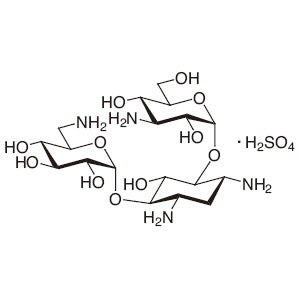
KanamycinMonosulfate TCI K0047
Regular price Rp 1.272.600,00Regular priceRp 905.100,00Sale price Rp 1.272.600,00 -
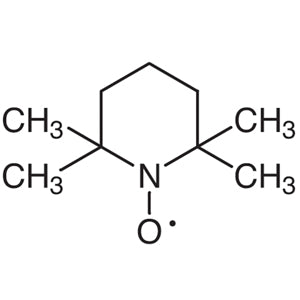
2,2,6,6-Tetramethylpiperidine1-OxylFreeRadical TCI T1560
Regular price From Rp 1.590.750,00Regular priceRp 1.111.950,00Sale price From Rp 1.590.750,00 -
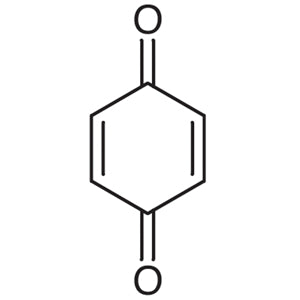
1,4-Benzoquinone TCI B0089
Regular price From Rp 822.150,00Regular priceRp 590.100,00Sale price From Rp 822.150,00 -
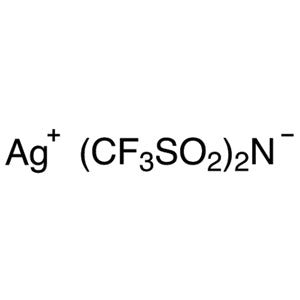
SilverBis(trifluoromethanesulfonyl)imide TCI S0898
Regular price From Rp 5.485.200,00Regular priceRp 3.835.650,00Sale price From Rp 5.485.200,00 -
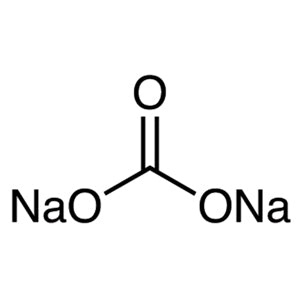
SodiumCarbonate TCI S0560
Regular price Rp 477.750,00Regular priceRp 333.900,00Sale price Rp 477.750,00 -
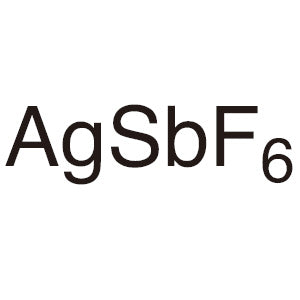
SilverHexafluoroantimonate(V) TCI S0463
Regular price Rp 3.155.250,00Regular priceRp 2.206.050,00Sale price Rp 3.155.250,00 -
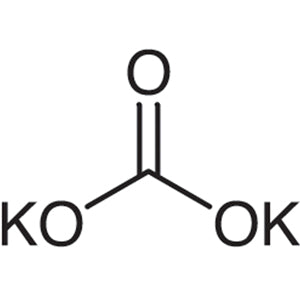
PotassiumCarbonate TCI P1748
Regular price Rp 505.050,00Regular priceRp 352.800,00Sale price Rp 505.050,00 -
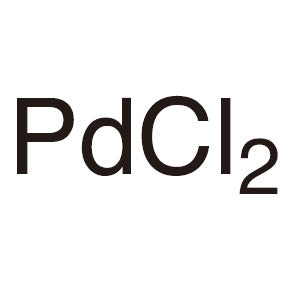
Palladium(II)Chloride TCI P1489
Regular price From Rp 3.127.950,00Regular priceRp 2.202.900,00Sale price From Rp 3.127.950,00