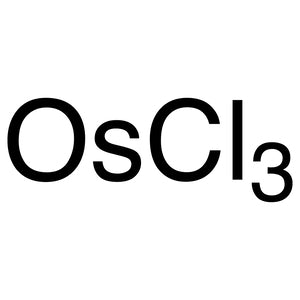
Osmium(III) Chloride (TCI O0651), with the CAS number 13444-93-4, is a chemical compound used in various laboratory applications, particularly in catalysis and inorganic chemistry. This compound is a solid at room temperature and plays a crucial role in the synthesis of complex metal-containing compounds, especially those involving transition metals like osmium. Its reactivity and ability to form metal complexes make it a valuable tool for advanced chemical research. It is commonly used in the development of organoselenium and organotellurium compounds, where its catalytic properties are essential for achieving desired chemical transformations.
Osmium(III) Chloride is known for its high reactivity, especially towards water and organic compounds. This reactivity, combined with its ability to form stable metal complexes, makes it a preferred choice in laboratory settings. Its corrosive and toxic nature requires careful handling, but these properties also contribute to its effectiveness as a catalyst in various chemical reactions. The compound’s capacity to bind with a wide range of ligands further enhances its utility in the synthesis of complex molecules, making it a key component in many chemical processes.
In Indonesian laboratories, Osmium(III) Chloride is widely used in research focused on catalysis and inorganic chemistry. Its role in reducing and oxidizing reactions, as well as its application in the synthesis of organoselenium and organotellurium compounds, makes it an essential reagent for chemists working in these fields. Its unique properties and effectiveness in various chemical processes ensure its continued use in both academic and industrial research settings.
TCI brochures (PDF)
- Metallic Salts 2025-11-06 · p. 4
- Transition Metal Catalysts 2026-04-10 · p. 9
Related TCI products
- Catalytic Reduction Reactions: Osmium(III) Chloride is ideal for catalytic reduction processes due to its ability to facilitate electron transfer and promote the formation of complex metal compounds.
- Oxidation Reactions: It serves as an effective catalyst in oxidation reactions, particularly in the transformation of organic compounds into more oxidized forms.
- Synthesis of Organoselenium Compounds: Its reactivity allows it to participate in the synthesis of organoselenium compounds, which are important in pharmaceutical and materials science research.
- Synthesis of Organotellurium Compounds: The compound is used in the preparation of organotellurium compounds, which have applications in organic chemistry and polymer science.
- Inorganic Chemistry Research: It is widely used in inorganic chemistry for the synthesis of transition metal complexes and the study of metal-ligand interactions.
| Brand | TCI |
|---|---|
| CAS number | 13444-93-4 |
| Molecular formula | — |
| Purity | — |
| Category | Chemistry > Catalysis and Inorganic Chemistry > Transition Elements |
| Pack sizes | Available in various pack sizes as per supplier specifications |
| Physical form | Solid |
| Storage | Should be stored in a cool, dry place away from moisture and incompatible materials |
Osmium(III) Chloride should be stored in a cool, dry environment, away from moisture and incompatible substances to prevent degradation and ensure safety. It is recommended to use airtight containers made of materials resistant to chemical corrosion, such as glass or high-density polyethylene. Due to its corrosive and toxic nature, proper personal protective equipment, including gloves, goggles, and a fume hood, should be used when handling the compound. It is essential to avoid direct contact with skin and eyes, and to ensure adequate ventilation in the laboratory. The compound should never be stored near flammable materials or in areas with high humidity to minimize the risk of chemical reactions and exposure. Always follow standard laboratory safety protocols when working with reactive and hazardous substances.
—
Produk Terkait
-
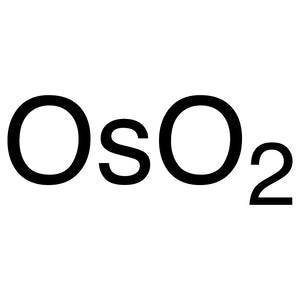
Osmium(IV)Oxide TCI O0650
Regular price Rp 5.855.850,00Regular priceRp 4.110.750,00Sale price Rp 5.855.850,00 -
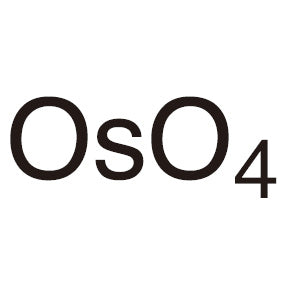
OsmiumTetroxide(4%inWater) TCI O0308
Regular price Rp 4.373.250,00Regular priceRp 3.073.350,00Sale price Rp 4.373.250,00 -
OsmiumCatalystsupportedonMagnetite(0.07-0.09mmol/g) TCI O0414
Regular price Rp 3.472.350,00Regular priceRp 2.427.600,00Sale price Rp 3.472.350,00 -
Ruthenium(III)ChlorideHydrate TCI R0074
Regular price From Rp 1.670.550,00Regular priceRp 1.183.350,00Sale price From Rp 1.670.550,00 -
Platinum(IV)Chloride TCI P3140
Regular price From Rp 2.332.050,00Regular priceRp 1.646.400,00Sale price From Rp 2.332.050,00 -
Platinum(II)Chloride TCI P1920
Regular price Rp 4.531.800,00Regular priceRp 3.184.650,00Sale price Rp 4.531.800,00 -
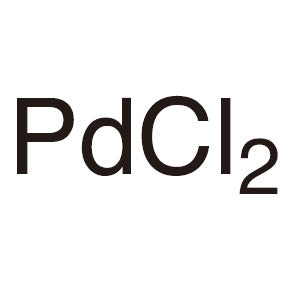
Palladium(II)Chloride TCI P1489
Regular price From Rp 3.127.950,00Regular priceRp 2.202.900,00Sale price From Rp 3.127.950,00 -
Nickel(II)ChlorideHexahydrate TCI N0851
Regular price From Rp 505.050,00Regular priceRp 352.800,00Sale price From Rp 505.050,00