8-Hydroxyguanosine is an oxidized derivative of the nucleoside guanosine. It forms when reactive oxygen species attack the C-8 position of the guanine ring in RNA. In the laboratory, 8-Hydroxyguanosine is known as a biomarker of oxidative damage to nucleic acids, especially RNA. For this reason, it is widely used as a reference standard when researchers need to identify, measure, and compare levels of oxidative stress in biological samples such as urine, plasma, tissue, and cell cultures. It is a regular part of work in biochemistry and molecular biology laboratories.
Researchers choose this material because its structure is well defined and identical to the oxidation product that forms naturally inside cells. This makes it a reliable comparison standard for both chromatographic and mass spectrometric analysis. It has a registered CAS number (3868-31-3) and a documented chemical identity, so researchers can build calibration curves, confirm retention times, and validate analytical methods with more confidence. As a TCI product, each lot comes with quality documentation that helps keep research data traceable. This traceability matters for scientific publications and laboratory audits.
In Indonesia, 8-Hydroxyguanosine is relevant to university research groups, biomedical and clinical research laboratories, and molecular biology facilities that study oxidative stress and nucleic acid damage. Laboratories that run HPLC or LC-MS workflows can use it as a defined reference compound when they develop or check methods for oxidized nucleosides. AMI Scientific supplies this TCI material for teams that need a documented, traceable standard for their nucleic acid chemistry and chemical biology research.
- Oxidative RNA damage studies: 8-Hydroxyguanosine is the known oxidation product formed at the guanine C-8 position in RNA, so it serves as a direct reference marker for RNA oxidative damage.
- Oxidative stress biomarker analysis: Its identity matches the naturally formed oxidation product, so researchers can identify and compare oxidative stress levels in urine, plasma, tissue, and cell culture samples.
- Chromatographic method development: Its defined structure lets analysts confirm retention times and build calibration curves when they set up or optimize HPLC methods for oxidized nucleosides.
- Mass spectrometry reference standard: Because it is identical to the biological oxidation product, it gives a reliable comparison point for LC-MS identification and quantification of 8-Hydroxyguanosine in complex biological matrices.
- Analytical method validation: Lot-specific TCI quality documentation and a registered CAS number support traceable validation work, which helps laboratories prepare data for scientific publication and audits.
| Brand | TCI (product code O0661) |
|---|---|
| CAS number | 3868-31-3 |
| Molecular formula | — |
| Purity | — |
| Category | Chemistry > Chemical Biology > Nucleic Acid Chemistry |
| Pack sizes | Please check the product page or ask AMI Scientific for the pack sizes currently available |
| Physical form | As supplied by TCI; refer to the lot-specific Certificate of Analysis |
| Storage | Follow the storage conditions on the product label and the TCI Safety Data Sheet |
Store 8-Hydroxyguanosine under the conditions on the TCI product label and Safety Data Sheet. Keep it in its original, tightly closed container, away from moisture, heat, and direct light, to protect the integrity of the reference material. When you prepare standard solutions, use clean, suitable laboratory glassware or vials, label them clearly, and record the lot number for traceability. Handle the material in a well-ventilated area and wear standard personal protective equipment, including gloves, a lab coat, and safety glasses. Avoid inhaling dust and avoid contact with skin and eyes. Dispose of waste according to institutional and local regulations.
—
Produk Terkait
-
TCI B5774 5,10-Bis(4,4,5,5-tetramethyl-1,3,2-dioxaborolan-2-yl)naphtho[1,2-c:5,6-c']bis([1,2,5]oxadiazole)
Regular price Rp 10.255.350,00Regular price -
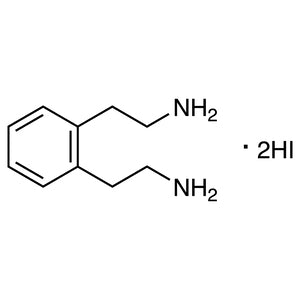
Dihydroiodide TCI B6569
Regular price From Rp 1.936.200,00Regular price -
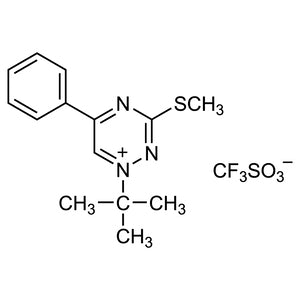
Trifluoromethanesulfonate TCI B7003
Regular price From Rp 1.936.200,00Regular price
![5,10-Bis(4,4,5,5-tetramethyl-1,3,2-dioxaborolan-2-yl)naphtho[1,2-c:5,6-c']bis([1,2,5]oxadiazole) - TCI B5774 - AMI Scientific](http://amiscientific.com/cdn/shop/files/TCI2510B5774.jpg?v=1769180228&width=533)