Sodium Propionate is a versatile chemical compound widely used in various laboratory applications, particularly in organic synthesis. As a key building block in chemistry, it serves as an essential reagent in reactions involving carboxylic acid derivatives or carbonate ions. Its role in facilitating chemical reactions makes it indispensable for researchers and students alike. Sodium Propionate is commonly employed in esterification, saponification, and the formation of complex organic compounds. Its chemical stability and solubility in water make it a reliable choice for a wide range of experimental setups.
One of the main reasons Sodium Propionate is preferred in laboratory settings is its chemical stability and compatibility with a variety of reaction conditions. It is non-toxic and relatively safe to handle when proper laboratory protocols are followed, making it suitable for educational and research environments. Its ability to remain chemically inert under various conditions ensures consistent results in experiments. Additionally, its solubility in water simplifies preparation and use, reducing the complexity of handling and disposal.
In Indonesian laboratories, Sodium Propionate is a commonly used reagent in both academic and research settings. It is particularly relevant in chemistry education and experimental research, where its predictable behavior and ease of use make it a preferred choice. Institutions and laboratories across Indonesia rely on Sodium Propionate for its reliability and effectiveness in supporting chemical synthesis and analytical processes.
- Organic Synthesis: Sodium Propionate is widely used in organic synthesis due to its ability to participate in esterification and saponification reactions, making it essential for creating complex organic molecules.
- Analytical Chemistry: It serves as a standard reagent in analytical procedures, aiding in the identification and quantification of compounds through various analytical techniques.
- Educational Laboratories: Sodium Propionate is commonly used in teaching labs to demonstrate chemical reactions and properties, providing students with hands-on experience in synthetic chemistry.
- Industrial Chemistry: Its stability and solubility make it suitable for use in industrial processes where controlled chemical reactions are required.
- Buffer Solutions: Sodium Propionate can be used to prepare buffer solutions, helping to maintain a stable pH in chemical reactions and biological experiments.
| Brand | TCI |
|---|---|
| CAS number | 137-40-6 |
| Molecular formula | — |
| Purity | — |
| Category | Chemistry > Building Blocks > Non-Heterocyclic Building Blocks |
| Pack sizes | Available in various pack sizes as per supplier specifications |
| Physical form | Solid powder |
| Storage | Store in a cool, dry place away from moisture and direct sunlight |
Sodium Propionate should be stored in a cool, dry place, away from moisture and direct sunlight to maintain its chemical stability. It is recommended to use airtight containers to prevent exposure to humidity, which could affect its solubility and purity. As a non-toxic compound, it is generally safe to handle, but standard laboratory safety practices should be followed, including the use of gloves and proper ventilation. While it does not require special handling beyond standard chemical storage, it is important to ensure that it is kept out of reach of children and not mixed with incompatible substances. Proper labeling and storage conditions will help ensure its effectiveness and safety in laboratory environments.
—
Produk Terkait
-
TCI B5774 5,10-Bis(4,4,5,5-tetramethyl-1,3,2-dioxaborolan-2-yl)naphtho[1,2-c:5,6-c']bis([1,2,5]oxadiazole)
Regular price Rp 10.255.350,00Regular price -
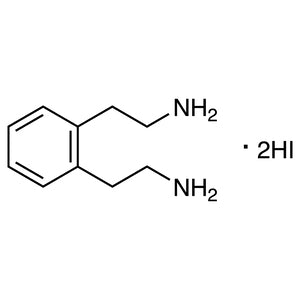
Dihydroiodide TCI B6569
Regular price From Rp 1.936.200,00Regular price -
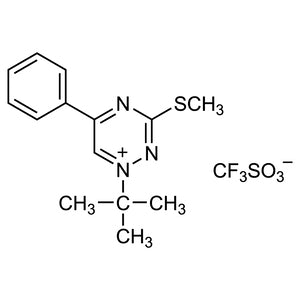
Trifluoromethanesulfonate TCI B7003
Regular price From Rp 1.936.200,00Regular price
![5,10-Bis(4,4,5,5-tetramethyl-1,3,2-dioxaborolan-2-yl)naphtho[1,2-c:5,6-c']bis([1,2,5]oxadiazole) - TCI B5774 - AMI Scientific](http://amiscientific.com/cdn/shop/files/TCI2510B5774.jpg?v=1769180228&width=533)