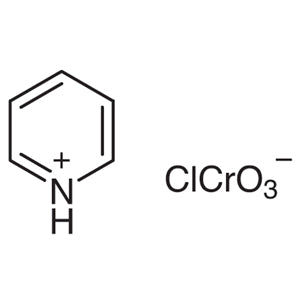
Pyridinium Chlorochromate (PCC) is a chemical compound widely used in oxidation reactions within organic synthesis. It plays a crucial role in laboratory settings, particularly in the conversion of alcohols into aldehydes or ketones. This reagent is favored for its ability to perform selective oxidations under mild conditions, making it a valuable tool in synthetic chemistry. Its stability and efficiency contribute to its popularity among researchers and chemists.
One of the key properties that make PCC a preferred choice is its high reactivity towards organic compounds. Unlike other oxidizing agents, PCC does not produce heavy metal ions, which enhances its safety profile. This characteristic makes it a safer alternative to reagents such as potassium permanganate or chromic acid. Additionally, its solid form ensures ease of handling and storage, reducing the risk of degradation over time.
In Indonesian laboratories, PCC is commonly used in chemical research, especially in academic and research institutions focused on organic synthesis. Its application in oxidation reactions supports the development of new compounds and materials. Due to its reliability and effectiveness, PCC remains a staple in many laboratory workflows, contributing to the advancement of chemical research in the region.
- Organic Synthesis: PCC is ideal for oxidation reactions, enabling the selective conversion of alcohols to aldehydes and ketones in a controlled environment.
- Green Chemistry Initiatives: Its non-toxic byproducts and reduced environmental impact align with sustainable laboratory practices.
- Teaching Laboratories: PCC is frequently used in educational settings to demonstrate oxidation mechanisms and synthetic pathways.
- Industrial Research: Its efficiency and stability make it suitable for large-scale oxidation processes in chemical manufacturing.
- Safety-Critical Applications: The absence of heavy metal ions ensures a safer working environment, particularly in labs with strict safety protocols.
| Brand | TCI |
|---|---|
| CAS number | 26299-14-9 |
| Molecular formula | — |
| Purity | — |
| Category | Chemistry > Synthetic Reagents > Oxidation [Synthetic Reagents] |
| Pack sizes | Available in various sizes as per supplier specifications |
| Physical form | Solid |
| Storage | Store in a cool, dry place away from moisture and incompatible materials |
PCC should be stored in a cool, dry environment to maintain its stability and effectiveness. It is recommended to keep it in a tightly sealed container to prevent exposure to moisture, which can degrade its properties. Due to its solid form, it is typically stored in glass or plastic containers that are resistant to chemical reactions. Laboratory personnel should handle PCC with care, using appropriate personal protective equipment to ensure safety. It is important to avoid contact with incompatible substances and to follow standard laboratory safety protocols when working with this reagent. Proper storage and handling practices help ensure the longevity and reliability of PCC in chemical experiments.
—
Produk Terkait
-
TCI B5774 5,10-Bis(4,4,5,5-tetramethyl-1,3,2-dioxaborolan-2-yl)naphtho[1,2-c:5,6-c']bis([1,2,5]oxadiazole)
Regular price Rp 10.255.350,00Regular price -
Dihydroiodide TCI B6569
Regular price From Rp 1.936.200,00Regular price -
Trifluoromethanesulfonate TCI B7003
Regular price From Rp 1.936.200,00Regular price
![5,10-Bis(4,4,5,5-tetramethyl-1,3,2-dioxaborolan-2-yl)naphtho[1,2-c:5,6-c']bis([1,2,5]oxadiazole) - TCI B5774 - AMI Scientific](http://amiscientific.com/cdn/shop/files/TCI2510B5774.jpg?v=1769180228&width=533)