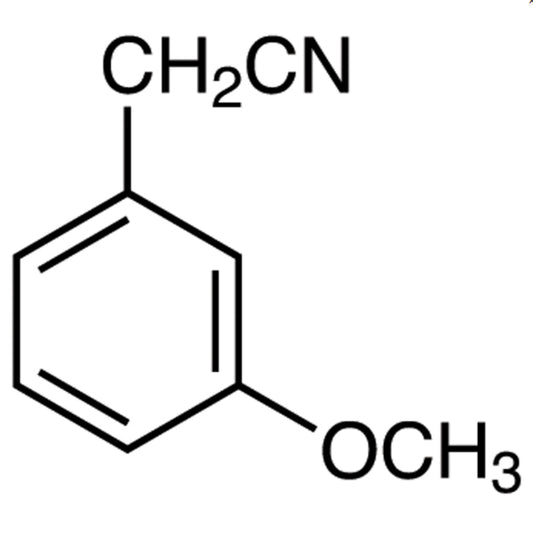
Pivaloylacetonitrile is a chemical compound widely used as a building block in laboratory reactions. It plays a crucial role in the synthesis of organic compounds, particularly in the development of pharmaceuticals and specialty materials. This compound is valued for its ability to participate in various chemical transformations, making it an essential reagent in synthetic chemistry. Its reactivity and structural versatility allow chemists to create complex molecular structures with precision. Due to its high reactivity, it is often employed in controlled environments to ensure optimal results in research and development.
The compound is known for its stability under specific conditions, although it exhibits high reactivity towards environmental factors such as temperature and humidity. Its high boiling point facilitates efficient evaporation and separation processes in chemical reactions. These properties make it a preferred choice for chemists who require reliable and predictable performance in their experiments. Additionally, its molecular structure contributes to its effectiveness in a wide range of chemical applications, enhancing its utility in both academic and industrial settings.
In Indonesian laboratories, Pivaloylacetonitrile is commonly used in research and development projects, especially in the fields of pharmacy and organic chemistry. It is a key component in the synthesis of new compounds and is frequently applied in studies aimed at improving drug formulations and material properties. Its availability and performance make it a standard material for many chemical processes in the region.
- Organic synthesis applications benefit from Pivaloylacetonitrile due to its reactivity and structural versatility, enabling the creation of complex molecules.
- Pharmaceutical research utilizes this compound for the development of new drug compounds, as it supports the synthesis of bioactive molecules.
- Material science applications rely on Pivaloylacetonitrile for the production of advanced polymers and specialty chemicals with unique properties.
- Analytical chemistry experiments use this compound as a standard reagent for testing reaction mechanisms and chemical behavior under different conditions.
- Industrial chemical processes incorporate Pivaloylacetonitrile to produce intermediates used in the manufacturing of various chemical products.
| Brand | TCI |
|---|---|
| CAS number | 59997-51-2 |
| Molecular formula | — |
| Purity | — |
| Category | Chemistry > Building Blocks > Non-Heterocyclic Building Blocks |
| Pack sizes | Available in various quantities as per standard laboratory requirements |
| Physical form | Liquid |
| Storage | Store in a cool, dry place away from direct sunlight and incompatible materials |
Pivaloylacetonitrile should be stored in a cool, dry environment to maintain its chemical stability. It is recommended to keep it in a tightly sealed container to prevent exposure to moisture and air. Due to its reactivity, it should be stored away from incompatible substances such as strong oxidizers or acids. Laboratory personnel should handle the compound with care, using appropriate personal protective equipment to minimize risk. Proper ventilation is essential when working with this material to ensure safe handling and prevent inhalation of vapors. Regular monitoring of storage conditions is advised to maintain the integrity and effectiveness of the compound in research applications.
—
Produk Terkait
-
Phenylacetonitrile TCI P0128
Regular price From Rp 477.750,00Regular price -
4-Biphenylacetonitrile TCI B1545
Regular price From Rp 3.446.100,00Regular price -
3-Methoxyphenylacetonitrile TCI M2331
Regular price From Rp 717.150,00Regular price -
4-Methoxyphenylacetonitrile TCI M0856
Regular price From Rp 823.200,00Regular price -
2-Methoxyphenylacetonitrile TCI M0855
Regular price Rp 875.700,00Regular price -
3,5-Dimethoxyphenylacetonitrile TCI D5186
Regular price From Rp 1.193.850,00Regular price -
2,5-Dimethylphenylacetonitrile TCI D4271
Regular price From Rp 1.749.300,00Regular price -
Diphenylacetonitrile TCI D0261
Regular price From Rp 477.750,00Regular price