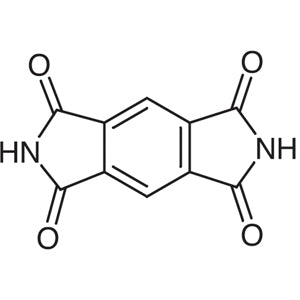
Pyromellitic Diimide (PDI) is a chemical compound widely used in laboratory settings for its ability to facilitate the construction of complex molecular structures. As a key building block in organic chemistry, PDI plays a crucial role in the synthesis of heterocyclic compounds and polymers. Its chemical stability and moderate reactivity make it a reliable choice for reactions requiring controlled and precise conditions. In the laboratory, PDI is essential for researchers aiming to develop new materials and chemical structures with specific functional properties.
The unique chemical structure of PDI, consisting of two imide groups connected by a carbon chain, contributes to its versatility in synthetic applications. This structure allows it to participate in a variety of chemical reactions while maintaining its integrity. Additionally, PDI has a high melting point, which ensures thermal stability under laboratory conditions. These properties make it a preferred material for experiments that demand both reactivity and stability.
In Indonesian laboratories, Pyromellitic Diimide is commonly used in organic chemistry research, particularly in the synthesis of heterocyclic compounds and polymers. Its reliability and effectiveness have made it a staple in academic and industrial research settings. Scientists and researchers rely on PDI to achieve consistent results in their experiments, making it an essential component in the chemical toolkit of Indonesian laboratories.
Related TCI products
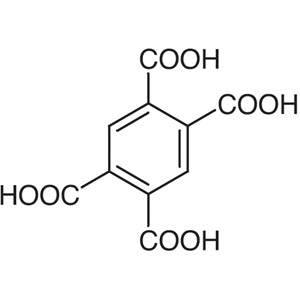
- TCI B0039 89-05-4 Pyromellitic Acid
- TCI D4947 24848-78-0 Dibromopyromellitic Dianhydride
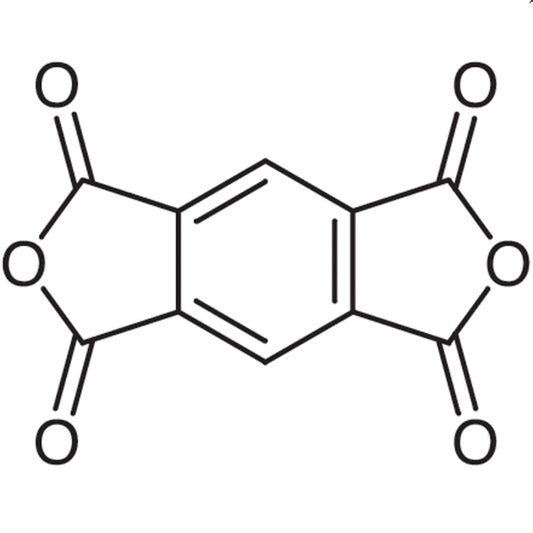
- TCI B0040 89-32-7 Pyromellitic Dianhydride
- TCI P2103 89-32-7 Pyromellitic Dianhydride (purified by sublimation)
- TCI B4343 82531-03-1 N,N'-Bis(2-ethylhexyl)-3,4,9,10-perylenetetracarboxylic Diimide
- TCI B4268 82953-57-9 N,N'-Bis(2,6-diisopropylphenyl)-3,4,9,10-perylenetetracarboxylic Diimide
- Organic synthesis of heterocyclic compounds due to its reactivity and structural versatility.
- Polymer synthesis where stable and functional chemical building blocks are required.
- Material science research for developing new polymers with specific properties.
- Chemical reaction optimization in controlled environments requiring thermal stability.
- Advanced chemical research where precise molecular construction is essential.
| Brand | TCI |
|---|---|
| CAS number | 2550-73-4 |
| Molecular formula | — |
| Purity | — |
| Category | Chemistry > Building Blocks > Non-Heterocyclic Building Blocks |
| Pack sizes | Available in various quantities as per standard laboratory supply |
| Physical form | Solid |
| Storage | Store in a cool, dry place away from moisture and direct sunlight |
Pyromellitic Diimide should be stored in a cool, dry environment to maintain its chemical stability. It is recommended to keep it in a sealed container to prevent exposure to moisture and air. Due to its solid form, it is best stored in airtight containers made of materials such as glass or high-density polyethylene. Laboratory personnel should handle PDI with care, using appropriate personal protective equipment when necessary. Avoid contact with incompatible substances to ensure safe storage and usage. Always ensure the storage area is well-ventilated and free from potential sources of heat or ignition.
—
Produk Terkait
-
PyromelliticAcid TCI B0039
Regular price From Rp 557.550,00Regular price -
DibromopyromelliticDianhydride TCI D4947
Regular price Rp 5.169.150,00Regular price -
PyromelliticDianhydride TCI B0040
Regular price From Rp 505.050,00Regular price -
PyromelliticDianhydride(purifiedbysublimation) TCI P2103
Regular price From Rp 2.704.800,00Regular price -
N,N'-Bis(2-ethylhexyl)-3,4,9,10-perylenetetracarboxylicDiimide TCI B4343
Regular price Rp 6.308.400,00Regular price -
N,N'-Bis(2,6-diisopropylphenyl)-3,4,9,10-perylenetetracarboxylicDiimide TCI B4268
Regular price From Rp 11.343.150,00Regular price -
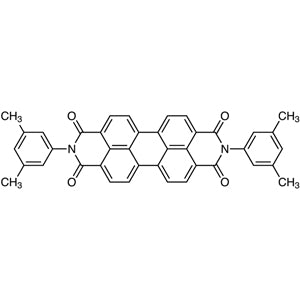
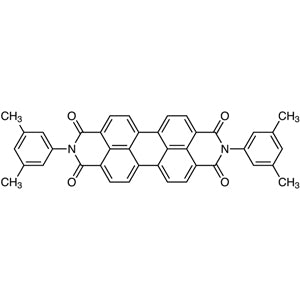
N,N'-Bis(3,5-dimethylphenyl)-3,4,9,10-perylenetetracarboxylicDiimide TCI B4231
Regular price From Rp 2.466.450,00Regular price -
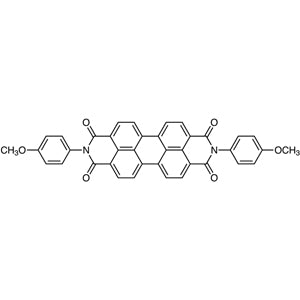
N,N'-Bis(4-methoxyphenyl)-3,4,9,10-perylenetetracarboxylicDiimide TCI B2892
Regular price From Rp 1.961.400,00Regular price