N-(Prop-2-yn-1-yl)benzamide is a chemical compound widely used in laboratory settings for its unique structural properties and reactivity. As a building block in organic chemistry, it plays a crucial role in the synthesis of complex organic molecules. Its molecular structure features an amide group attached to a propynyl chain, making it a versatile intermediate in various chemical reactions. This compound is particularly valuable in the development of heterocyclic compounds and polymers, where precise structural control is essential. Its ability to participate in multiple reaction types, such as substitution and addition, makes it a key component in synthetic pathways.
The compound's chemical stability under controlled conditions, combined with its high reactivity in specific environments, makes it a preferred choice for advanced chemical research. Its capacity to form stable complexes with various ligands enhances its utility in catalytic processes and coordination chemistry. The reactivity of N-(Prop-2-yn-1-yl)benzamide allows it to be a flexible tool in the hands of chemists, enabling the creation of new compounds with tailored properties. These characteristics ensure its relevance in both academic and industrial chemical applications.
In Indonesian laboratories, N-(Prop-2-yn-1-yl)benzamide is commonly used in scientific research focused on organic synthesis and material development. It is a staple in academic and industrial research settings, supporting the creation of new compounds and materials. Its role in chemical innovation makes it an essential reagent for researchers aiming to explore novel chemical structures and reactions. The compound's versatility and reactivity continue to drive its use in various scientific endeavors.
TCI brochures (PDF)
- Click Chemistry 2026-09-08 · p. 16
- Organic synthesis is a primary application where N-(Prop-2-yn-1-yl)benzamide serves as a key intermediate in the formation of complex organic molecules.
- Polymer development benefits from its ability to participate in chain reactions and form stable chemical bonds, supporting the creation of advanced materials.
- Catalytic processes utilize its reactivity and ligand-binding capacity to enhance reaction efficiency and selectivity in chemical transformations.
- Heterocyclic compound synthesis relies on its structural versatility to build complex ring systems with high precision and control.
- Analytical chemistry applications use it as a standard reference for testing reaction mechanisms and evaluating chemical behavior under different conditions.
| Brand | TCI |
|---|---|
| CAS number | 1464-98-8 |
| Molecular formula | — |
| Purity | — |
| Category | Chemistry > Building Blocks > Non-Heterocyclic Building Blocks |
| Pack sizes | Available in various quantities as per standard laboratory supply |
| Physical form | Solid or liquid, depending on the specific formulation |
| Storage | Store in a cool, dry place away from direct sunlight and moisture |
N-(Prop-2-yn-1-yl)benzamide should be stored in a cool, dry environment to maintain its chemical stability. It is recommended to keep the compound in a sealed container to prevent exposure to moisture and air, which may affect its reactivity. Suitable storage containers include glass or high-density polyethylene vessels that are resistant to chemical degradation. In laboratory settings, it is important to handle the compound with care, using appropriate personal protective equipment such as gloves and goggles. Proper ventilation should be maintained when working with this compound to ensure safe handling and minimize any potential risks. Always follow standard laboratory safety protocols to ensure a secure working environment.
—
Product Categories
Produk Terkait
-
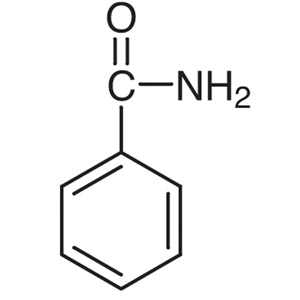
Benzamide TCI B0012
Regular price From Rp 637.350,00Regular priceRp 460.950,00Sale price From Rp 637.350,00 -
N-(2-Hydroxyethyl)benzamide TCI H1930
Regular price From Rp 2.782.500,00Regular priceRp 1.961.400,00Sale price From Rp 2.782.500,00 -
N-(Hydroxymethyl)benzamide TCI H1823
Regular price From Rp 2.121.000,00Regular priceRp 1.498.350,00Sale price From Rp 2.121.000,00 -
4-Chloro-N-[2-(4-hydroxyphenyl)ethyl]benzamide TCI C2309
Regular price From Rp 1.060.500,00Regular priceRp 757.050,00Sale price From Rp 1.060.500,00 -
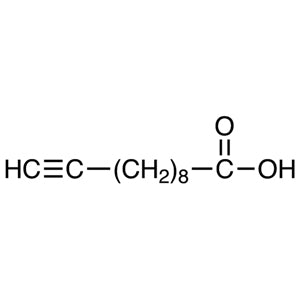
10-UndecynoicAcid TCI U0054
Regular price From Rp 1.060.500,00Regular priceRp 757.050,00Sale price From Rp 1.060.500,00 -
3-Butyn-2-one TCI B2393
Regular price From Rp 2.174.550,00Regular priceRp 1.520.400,00Sale price From Rp 2.174.550,00 -
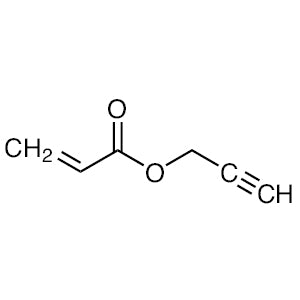
PropargylAcrylate(stabilizedwithBHT) TCI P2878
Regular price From Rp 2.254.350,00Regular priceRp 1.576.050,00Sale price From Rp 2.254.350,00 -
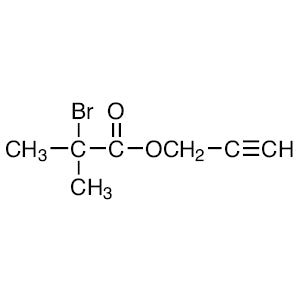
2-Propyn-1-yl2-Bromo-2-methylpropanoate TCI P2820
Regular price Rp 4.266.150,00Regular priceRp 2.998.800,00Sale price Rp 4.266.150,00