Zinc Stearate from TCI, product code S0239 (CAS 557-05-1), is the zinc salt of stearic acid. It is one of the metallic soaps widely used in polymers, rubber, paints and cosmetics. The compound is a hydrophobic solid that does not dissolve in water, and it is known for excellent lubricating and mold-release properties. In the laboratory, Zinc Stearate serves as a formulation component and study material in research on polymer processing, PVC stabilizer systems, coating formulations and powder-based materials.
Researchers choose Zinc Stearate because it gives strong lubricating and anti-stick effects even at low concentrations. In PVC stabilizer systems, zinc soaps form part of calcium-zinc systems that are free of heavy metals, and the zinc acts quickly to stabilize the polymer in the early stages of processing. In the paint and coatings industry, the material is known as a sanding agent and a matting (gloss-reducing) agent. Its hydrophobic nature also makes it useful as a water repellent and as an anti-caking agent for powders.
In Indonesia, Zinc Stearate is relevant to chemical engineering and materials engineering laboratories at universities. It also serves research and development laboratories in the plastics, rubber, paint and coatings industries. These laboratories use it to test lubricant and stabilizer formulations, study how polymers behave during processing, and evaluate how powders flow and resist water. Because the product comes from TCI, researchers get a recognized reagent brand they can use consistently across experiments and formulation trials.
TCI brochures (PDF)
- Lipids 2025-12-17 · p. 7
- Polymer processing research: Zinc Stearate acts as an internal and external lubricant, so researchers can study how small additions affect melt flow, processing behavior and mold release in experimental polymer formulations.
- PVC stabilizer system studies: As a zinc soap in heavy-metal-free calcium-zinc systems, it is suited to research on how quickly early-stage stabilization works during PVC processing.
- Coating and paint formulation: Because it is known as a sanding agent and matting agent, it is a useful study material for developing and evaluating coatings with controlled gloss and better sandability.
- Powder flow and anti-caking research: Its hydrophobic, anti-stick character makes it suitable for experiments on keeping powders from caking and on improving how freely powder-based materials flow.
- Water-repellency studies: Zinc Stearate does not dissolve in water and repels it, so it fits research on hydrophobic treatments and water-repellent additives for materials and formulations.
| Brand | TCI |
|---|---|
| CAS number | 557-05-1 |
| Molecular formula | — |
| Purity | — |
| Category | TCI |
| Pack sizes | Available in TCI's standard pack sizes |
| Physical form | Hydrophobic solid, insoluble in water; store according to the manufacturer's recommendations |
| Storage | — |
- Product code: S0239
Store Zinc Stearate in a cool, dry, well-ventilated place, away from heat sources, open flames and strong oxidizing agents. Keep it in its original tightly closed container, or in a clean, compatible, properly labeled container, to protect it from moisture and contamination. Avoid generating or breathing in dust when weighing or transferring the powder. Wear standard laboratory protective equipment, including gloves, safety glasses and a lab coat. Clean up spills promptly without raising dust. Always read the TCI Safety Data Sheet for detailed handling, storage and disposal guidance.
—
Produk Terkait
-
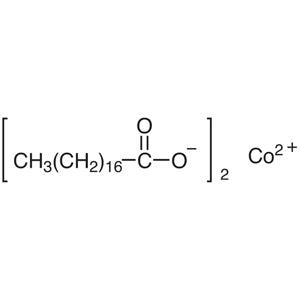
Cobalt(II)Stearate TCI S0393
Regular price Rp 557.550,00Regular price -
GlycidylStearate TCI S0366
Regular price From Rp 3.976.350,00Regular price -
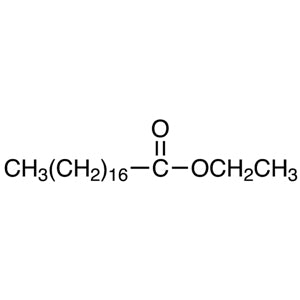
EthylStearate TCI S0365
Regular price Rp 3.180.450,00Regular price -
MethylStearate[StandardMaterialforGC] TCI S0312
Regular price Rp 2.571.450,00Regular price -
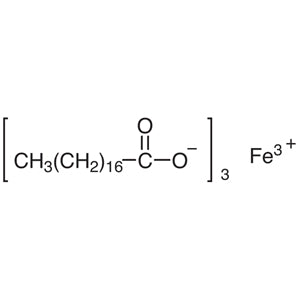
Iron(III)Stearate TCI S0256
Regular price From Rp 1.298.850,00Regular price -
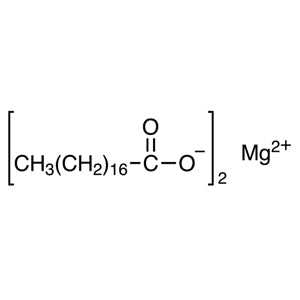
Magnesium(II)Stearate TCI S0238
Regular price From Rp 477.750,00Regular price -
LithiumStearate TCI S0237
Regular price From Rp 664.650,00Regular price -
CalciumStearate TCI S0236
Regular price From Rp 610.050,00Regular price

![112-61-8 Methyl Stearate [Standard Material for GC] - AMI Scientific](http://amiscientific.com/cdn/shop/files/TCI2510S0312.jpg?v=1769143459&width=533)