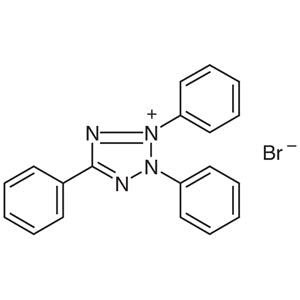
2,3,5-Triphenyltetrazolium Chloride (TTC) is a chemical compound widely used in laboratory experiments, particularly in biochemical and molecular biology research. It serves as a key reagent for detecting reduction reactions, changing color from yellow to red when reacting with enzymes or substrates capable of reducing it. TTC is essential for various analytical procedures that require clear and rapid chemical responses. Its utility spans multiple scientific disciplines, making it a versatile tool in modern laboratory settings.
The properties that make TTC a preferred choice include its stability under specific conditions and solubility in organic solvents. These characteristics allow for reliable and consistent results in both qualitative and quantitative analyses. TTC’s ability to undergo visible color changes upon reduction makes it ideal for visual detection methods. Its chemical stability ensures that it remains effective over time when stored properly, enhancing its reliability in repeated experiments.
In Indonesian laboratories, TTC is commonly used in biomedical, pharmacological, and biotechnological research. It plays a vital role in enzyme activity studies, cellular stress response analysis, and diagnostic method development. Its availability and consistent performance make it an essential component in various research projects, supporting scientific advancements in both academic and industrial settings.
Related TCI products
- TCI T0814 1096-80-6 2,3,5-Triphenyltetrazolium Bromide
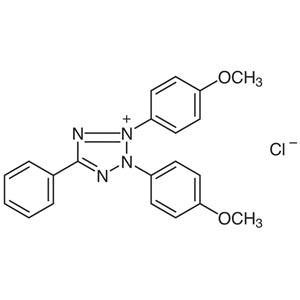
- TCI B1056 104497-79-2 2,3-Bis(4-methoxyphenyl)-5-phenyltetrazolium Chloride
- TCI B1047 69231-13-6 2,3-Bis(4-nitrophenyl)-5-phenyltetrazolium Chloride
- TCI B0333 55699-64-4 2-(2-Benzothiazolyl)-3,5-diphenyltetrazolium Bromide
- TCI B0325 38800-20-3 2,3-Diphenyl-5-(2-thienyl)tetrazolium Chloride
- TCI B0311 3-(4-Nitrophenyl)-5-methyl-2-phenyltetrazolium Chloride
- Enzyme Activity Assays: TTC is used to measure enzymatic reduction activity, providing a clear visual indicator of enzyme function and substrate interaction.
- Cellular Metabolism Studies: TTC helps assess metabolic processes by detecting reduced forms of compounds, aiding in understanding cellular energy production and consumption.
- Diagnostic Method Development: TTC’s color change response is utilized in creating rapid diagnostic tests for biological samples, enhancing accuracy and speed in clinical and research settings.
- Stress Response Research: TTC is employed to evaluate how cells respond to various stressors, offering insights into cellular resilience and adaptive mechanisms.
- Biochemical Assays: TTC is integrated into biochemical protocols for detecting and quantifying reducing agents, supporting a wide range of analytical techniques.
| Brand | TCI |
|---|---|
| CAS number | 298-96-4 |
| Molecular formula | — |
| Purity | — |
| Category | Chemistry > Building Blocks > Heterocyclic Building Blocks |
| Pack sizes | Available in various quantities as per standard laboratory requirements |
| Physical form | Solid powder |
| Storage | Store in a cool, dry place away from light and moisture |
TTC should be stored in a cool, dry place, away from light and moisture to maintain its chemical stability and effectiveness. It is recommended to use airtight containers to prevent exposure to humidity and contaminants. Due to its chemical nature, it should be handled with care, using appropriate personal protective equipment such as gloves and safety goggles. Avoid direct contact with skin or inhalation of dust, as it may cause irritation. Ensure proper ventilation in the workspace to minimize exposure risks. Regular inspection of storage conditions is advised to ensure the integrity of the material remains uncompromised.
—
Product Categories
Produk Terkait
-
2,3,5-TriphenyltetrazoliumBromide TCI T0814
Regular price Rp 477.750,00Regular price -
2,3-Bis(4-methoxyphenyl)-5-phenyltetrazoliumChloride TCI B1056
Regular price Rp 6.599.250,00Regular price -
2,3-Bis(4-nitrophenyl)-5-phenyltetrazoliumChloride TCI B1047
Regular price Rp 3.446.100,00Regular price -
2-(2-Benzothiazolyl)-3,5-diphenyltetrazoliumBromide TCI B0333
Regular price Rp 1.378.650,00Regular price -
2,3-Diphenyl-5-(2-thienyl)tetrazoliumChloride TCI B0325
Regular price From Rp 1.696.800,00Regular price -
Chloride TCI B0311
Regular price Rp 1.326.150,00Regular price -
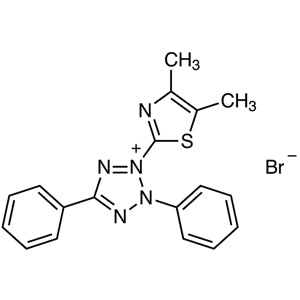
3-(4,5-Dimethyl-2-thiazolyl)-2,5-diphenyltetrazoliumBromide TCI D0801
Regular price From Rp 2.147.250,00Regular price -
5-Phenyltetrazole TCI P1109
Regular price Rp 1.353.450,00Regular price