Related TCI catalogs (PDF)


-
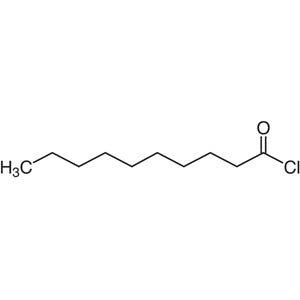
DecanoylChloride TCI D0027
Vendor:TCIRegular price From Rp 822.150,00Regular priceRp 590.100,00Sale price From Rp 822.150,00 -
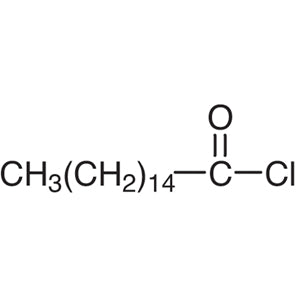
PalmitoylChloride TCI P0009
Vendor:TCIRegular price From Rp 530.250,00Regular priceRp 386.400,00Sale price From Rp 530.250,00 -
PalmiticAnhydride TCI P0008
Vendor:TCIRegular price From Rp 2.623.950,00Regular priceRp 1.850.100,00Sale price From Rp 2.623.950,00 -
UndecanoylChloride TCI U0026
Vendor:TCIRegular price From Rp 1.590.750,00Regular priceRp 1.127.700,00Sale price From Rp 1.590.750,00 -
LauroylChloride TCI D0972
Vendor:TCIRegular price From Rp 557.550,00Regular priceRp 405.300,00Sale price From Rp 557.550,00 -
Nalpha-[(9H-Fluoren-9-ylmethoxy)carbonyl]-Nepsilon-tetradecanoyl-L-lysine TCI F1143
Vendor:TCIRegular price From Rp 4.611.600,00Regular priceRp 3.240.300,00Sale price From Rp 4.611.600,00 -
MyristoylChloride TCI T0086
Vendor:TCIRegular price From Rp 1.272.600,00Regular priceRp 905.100,00Sale price From Rp 1.272.600,00 -
Ethyl6-[(2-Cyanoethoxy)(4,4-diphenylcyclohexyloxy)phosphoryloxy]hexanoate TCI E1313
Vendor:TCIRegular price From Rp 3.524.850,00Regular priceRp 2.480.100,00Sale price From Rp 3.524.850,00 -
Ethyl2-[(2-Cyanoethoxy)(4,4-diphenylcyclohexyloxy)phosphoryloxy]acetate TCI E1268
Vendor:TCIRegular price From Rp 2.359.350,00Regular priceRp 1.665.300,00Sale price From Rp 2.359.350,00 -
N-SuccinimidylTetradecanoate TCI S0997
Vendor:TCIRegular price From Rp 4.425.750,00Regular priceRp 3.110.100,00Sale price From Rp 4.425.750,00 -
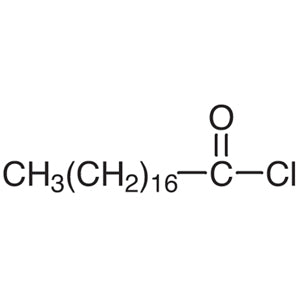
StearoylChloride TCI S0404
Vendor:TCIRegular price From Rp 1.881.600,00Regular priceRp 1.331.400,00Sale price From Rp 1.881.600,00 -
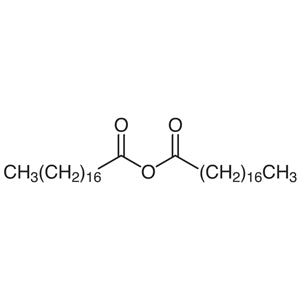
StearicAnhydride TCI S0083
Vendor:TCIRegular price From Rp 2.518.950,00Regular priceRp 1.776.600,00Sale price From Rp 2.518.950,00 -
MyristicAnhydride TCI M0484
Vendor:TCIRegular price From Rp 3.790.500,00Regular priceRp 2.665.950,00Sale price From Rp 3.790.500,00 -
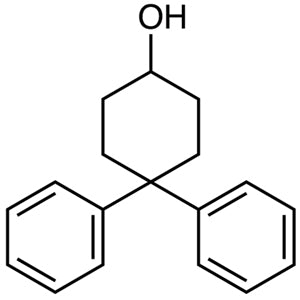
4,4-Diphenylcyclohexanol TCI D4973
Vendor:TCIRegular price From Rp 3.949.050,00Regular priceRp 2.761.500,00Sale price From Rp 3.949.050,00 -
4-NitrophenylLaurate TCI L0100
Vendor:TCIRegular price From Rp 822.150,00Regular priceRp 590.100,00Sale price From Rp 822.150,00 -
VinylLaurate(stabilizedwithMEHQ) TCI L0090
Vendor:TCIRegular price From Rp 610.050,00Regular priceRp 442.050,00Sale price From Rp 610.050,00