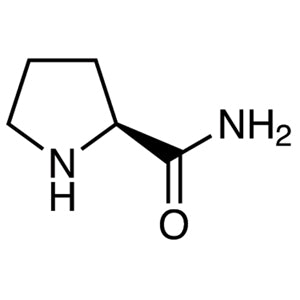
Fmoc-Hyp-OH (N-Fmoc-Hyp-OH) is a chemical compound widely used in organic reactions, particularly in peptide synthesis and aspartic acid derivatives. This compound plays a crucial role in laboratories by enabling the selective coupling of amino acids, which is fundamental to the creation of synthetic proteins and biological molecules. Its ability to participate in high-reactivity and structure-specific chemical reactions makes it an essential tool for researchers working in organic and biochemical fields. In Indonesian laboratories, Fmoc-Hyp-OH is a key reagent in various chemical processes due to its functional versatility and reliability.
One of the main reasons Fmoc-Hyp-OH is preferred is its chemical stability under specific conditions, combined with its high reactivity towards amino acid coupling agents. This dual nature allows it to be used in complex reactions without interfering with other processes, making it ideal for precision-based chemical applications. Additionally, its ability to maintain structural integrity during reactions ensures consistent results, which is vital in research settings where accuracy is paramount. The compound's compatibility with a wide range of reagents further enhances its utility in diverse chemical environments.
In Indonesian laboratories, Fmoc-Hyp-OH is commonly used in organic chemistry and biochemical research. It is a staple in projects involving the synthesis of complex molecules and the development of analytical techniques. Its widespread use in academic and research institutions highlights its importance in advancing scientific knowledge and innovation in the field of chemistry and biochemistry.
TCI brochures (PDF)
- Asymmetric Organocatalysts 2025-06-12 · p. 7
- Amino Acids and Peptide Synthesis Reagents 2025-08-14 · p. 21
- Peptide Synthesis: Fmoc-Hyp-OH is ideal for peptide synthesis due to its ability to selectively couple amino acids, ensuring precise molecular structures in protein and peptide production.
- Aspartic Acid Derivatives: This compound is used in the synthesis of aspartic acid derivatives, which are essential in biochemical research and pharmaceutical development.
- Amino Acid Coupling Reactions: Its high reactivity with amino acid coupling agents makes it suitable for selective amino acid binding in complex chemical reactions.
- Organic Chemistry Research: Fmoc-Hyp-OH is frequently used in organic chemistry experiments requiring high reactivity and structural specificity.
- Biochemical Analysis: It plays a key role in biochemical analysis, supporting the development of analytical techniques for molecular structure studies.
| Brand | TCI |
|---|---|
| CAS number | 88050-17-3 |
| Molecular formula | — |
| Purity | — |
| Category | Chemistry > Catalysis and Inorganic Chemistry > Organocatalysts [Catalysis] |
| Pack sizes | — |
| Physical form | — |
| Storage | Store in a cool, dry place away from light and moisture |
Fmoc-Hyp-OH should be stored in a cool, dry place, away from direct light and moisture to maintain its chemical stability. It is recommended to use airtight containers to prevent exposure to air and humidity, which could affect its reactivity. In a laboratory setting, it is important to handle the compound with care, using appropriate personal protective equipment such as gloves and safety goggles. Since it is a reactive chemical, it should be stored separately from incompatible substances to avoid any potential chemical interactions. Proper labeling and storage conditions ensure the safety of laboratory personnel and the integrity of the compound during its use in research applications.
—
Product Categories
Produk Terkait
-
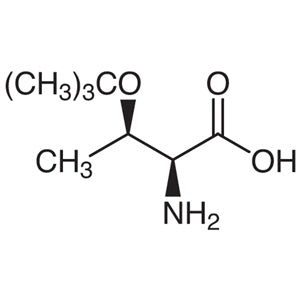
O-tert-Butyl-L-threonine TCI B3398
Regular price Rp 875.700,00Regular priceRp 627.900,00Sale price Rp 875.700,00 -
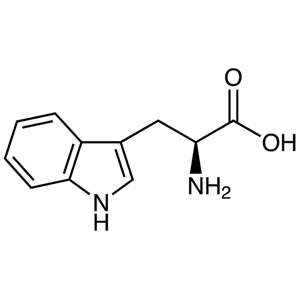
L-Tryptophan TCI T0541
Regular price Rp 1.008.000,00Regular priceRp 720.300,00Sale price Rp 1.008.000,00 -
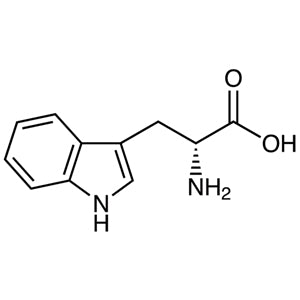
D-Tryptophan TCI T0539
Regular price Rp 742.350,00Regular priceRp 534.450,00Sale price Rp 742.350,00 -
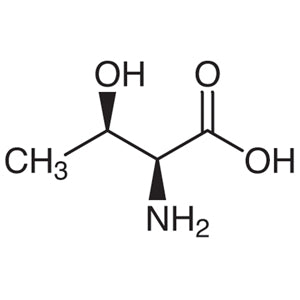
L-(-)-Threonine TCI T0230
Regular price Rp 637.350,00Regular priceRp 460.950,00Sale price Rp 637.350,00 -
D-(+)-Threonine TCI T0228
Regular price Rp 1.961.400,00Regular priceRp 1.387.050,00Sale price Rp 1.961.400,00 -
D-Prolinamide TCI P2083
Regular price Rp 1.140.300,00Regular priceRp 812.700,00Sale price Rp 1.140.300,00 -
L-Prolinamide TCI P1382
Regular price Rp 582.750,00Regular priceRp 423.150,00Sale price Rp 582.750,00 -
D-Proline TCI P0994
Regular price Rp 1.431.150,00Regular priceRp 1.016.400,00Sale price Rp 1.431.150,00