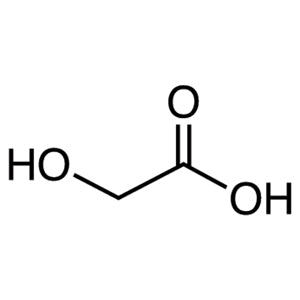
Glycolic Acid TCI G0196, with CAS number 79-14-1, is a fundamental chemical compound widely used in laboratory experiments. As a key building block in organic chemistry, it plays a crucial role in the synthesis of various compounds, including esters, carboxylic acids, and complex organic structures. Its versatility makes it an essential reagent for chemists working on diverse synthetic pathways. This compound is particularly valued for its ability to participate in high-reactivity chemical reactions and form bonds with multiple functional groups.
The chemical properties of Glycolic Acid make it a preferred choice in laboratory settings. It exhibits both stability and reactivity, which are essential for controlled chemical transformations. Its relatively low melting and boiling points allow for easy handling during heating and cooling processes, making it suitable for a wide range of experimental conditions. Additionally, Glycolic Acid can react with a variety of substances, including acids, bases, and organic compounds, offering flexibility in experimental design and application.
In Indonesian laboratories, Glycolic Acid is commonly used in chemical research, educational institutions, and industrial development projects. Its relevance spans across academic and industrial applications where basic chemical compounds are required for experimentation and product development. Its availability and reliability make it a go-to reagent for both teaching and advanced research activities.
- Organic synthesis applications benefit from Glycolic Acid's ability to form esters and carboxylic acids, supporting the creation of complex molecular structures.
- Educational laboratories use Glycolic Acid to teach fundamental chemical reactions and synthesis techniques to students at all levels.
- Industrial research facilities rely on Glycolic Acid for the development of new chemical products and materials through controlled chemical processes.
- Analytical chemistry experiments utilize Glycolic Acid as a reagent for testing the reactivity of various functional groups in different compounds.
- Environmental studies incorporate Glycolic Acid to investigate its behavior in chemical interactions and its impact on different reaction systems.
| Brand | TCI |
|---|---|
| CAS number | 79-14-1 |
| Molecular formula | — |
| Purity | — |
| Category | Chemistry > Building Blocks > Non-Heterocyclic Building Blocks |
| Pack sizes | Available in various quantities as per standard laboratory supply options |
| Physical form | Solid, typically in crystalline or powder form |
| Storage | Store in a cool, dry place away from moisture and direct sunlight |
Glycolic Acid should be stored in a cool, dry environment to maintain its chemical stability and prevent degradation. It is recommended to keep it in airtight containers to minimize exposure to moisture and air, which can affect its reactivity. Suitable storage conditions include a controlled temperature range, typically between 15°C and 25°C, to ensure long-term preservation. In laboratory settings, it is important to handle Glycolic Acid with care, using appropriate personal protective equipment such as gloves and safety goggles. Proper labeling and storage away from incompatible materials are essential to maintain safety and prevent accidental reactions.
—
Produk Terkait
-
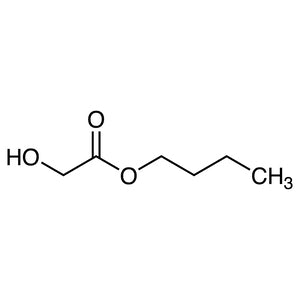
Butyl2-Hydroxyacetate TCI B6748
Regular price From Rp 1.220.100,00Regular price -
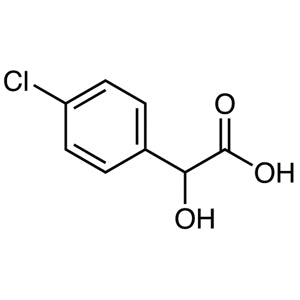
4-Chloro-DL-mandelicAcid TCI C0193
Regular price From Rp 1.035.300,00Regular price -
DeoxycholicAcid TCI C0315
Regular price From Rp 1.618.050,00Regular price -
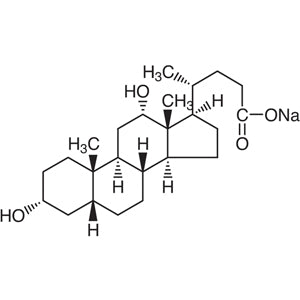
SodiumDeoxycholate TCI C0316
Regular price From Rp 1.644.300,00Regular price -
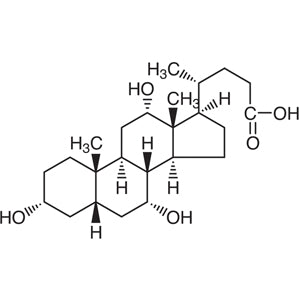
CholicAcid TCI C0324
Regular price From Rp 1.353.450,00Regular price -
SodiumCholate TCI C0325
Regular price From Rp 1.724.100,00Regular price -
ChenodeoxycholicAcid TCI C0750
Regular price Rp 1.246.350,00Regular price -
Methyl(E)-4-Chloro-3-methoxy-2-butenoate TCI C1340
Regular price From Rp 1.908.900,00Regular price