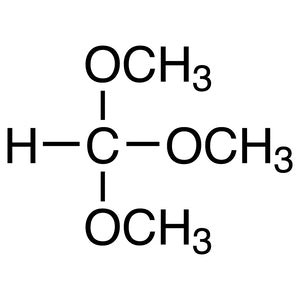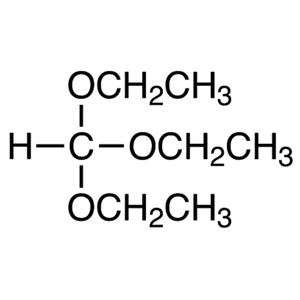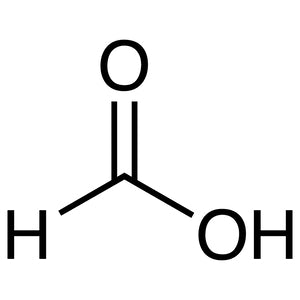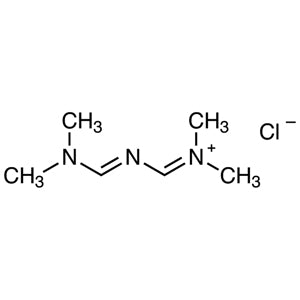
Gold’s Reagent (TCI G0393), with CAS number 20353-93-9, is a chemical compound widely used in laboratory settings for its reactivity and utility in organic synthesis. It functions as a key reagent in various chemical reactions, enabling the formation of specific compounds through its ability to interact with a range of substrates. This reagent is commonly found in chemical laboratories, particularly in the synthesis of organic compounds, where its role is essential in facilitating efficient and effective chemical transformations. Its presence in both academic and industrial research environments underscores its importance in modern chemical experimentation.
Gold’s Reagent is preferred due to its stable chemical properties under controlled conditions, allowing for repeated use in multiple experiments. Its high reactivity ensures that it can participate in a variety of chemical reactions with different types of compounds, making it a versatile choice for researchers. The reagent’s ability to maintain consistent performance across different applications contributes to its reliability in laboratory settings. Additionally, its compatibility with various substrates enhances its utility in both routine and specialized chemical processes.
In Indonesian laboratories, Gold’s Reagent is extensively used in educational and research contexts. It plays a vital role in chemistry programs at higher education institutions and research laboratories, supporting both teaching and experimental work. Its availability in the local market ensures that researchers and educators have access to this essential material for their experiments and studies.
- Organic synthesis reactions benefit from Gold’s Reagent due to its ability to facilitate the formation of complex organic compounds through efficient chemical interactions.
- It is ideal for catalytic processes where high reactivity and selectivity are required to achieve desired product yields.
- In analytical chemistry, Gold’s Reagent is used to detect and quantify specific compounds due to its consistent chemical behavior and reactivity.
- Educational laboratories rely on this reagent for teaching fundamental chemical reaction mechanisms and synthesis techniques.
- Research institutions use Gold’s Reagent in the development of new chemical compounds, leveraging its versatility in various synthetic pathways.
| Brand | TCI |
|---|---|
| CAS number | 20353-93-9 |
| Molecular formula | — |
| Purity | — |
| Category | Chemistry > Building Blocks > Non-Heterocyclic Building Blocks |
| Pack sizes | Available in standard laboratory quantities |
| Physical form | Solid or liquid, depending on the specific formulation |
| Storage | Store in a cool, dry place away from direct sunlight |
Gold’s Reagent should be stored in a cool, dry environment to maintain its chemical stability and prevent degradation. It is recommended to keep the reagent in a sealed container to minimize exposure to moisture and air, which could affect its performance. When handling this reagent, laboratory personnel should wear appropriate personal protective equipment, including gloves and safety goggles, to ensure safety. It is important to store it away from incompatible substances to avoid any potential chemical reactions. Proper labeling of storage containers is essential for safe handling and easy identification. Regular inspection of storage conditions ensures that the reagent remains in optimal condition for use in experiments.
—
Produk Terkait
-
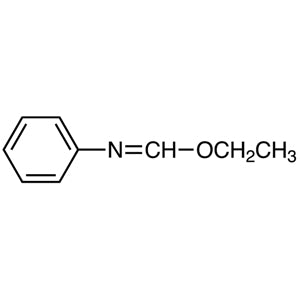
EthylN-Phenylformimidate TCI E0495
Regular price From Rp 795.900,00Regular price -
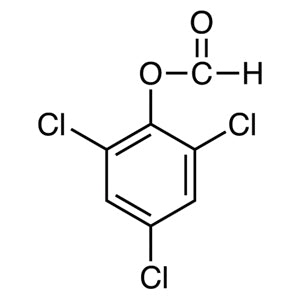
2,4,6-TrichlorophenylFormate TCI T3121
Regular price From Rp 769.650,00Regular price -
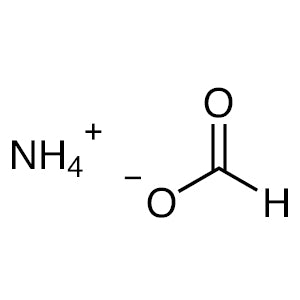
AmmoniumFormate TCI A3378
Regular price From Rp 823.200,00Regular price -
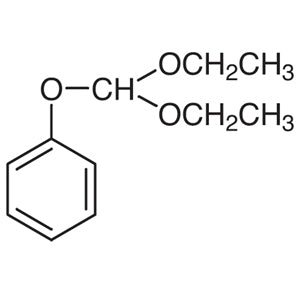
DiethylPhenylOrthoformate TCI O0187
Regular price From Rp 1.776.600,00Regular price -
TrimethylOrthoformate TCI O0068
Regular price From Rp 477.750,00Regular price -
TriethylOrthoformate TCI O0066
Regular price From Rp 530.250,00Regular price -
N-Methylformanilide TCI M0552
Regular price From Rp 477.750,00Regular price -
FormicAcid TCI F0513
Regular price Rp 530.250,00Regular price