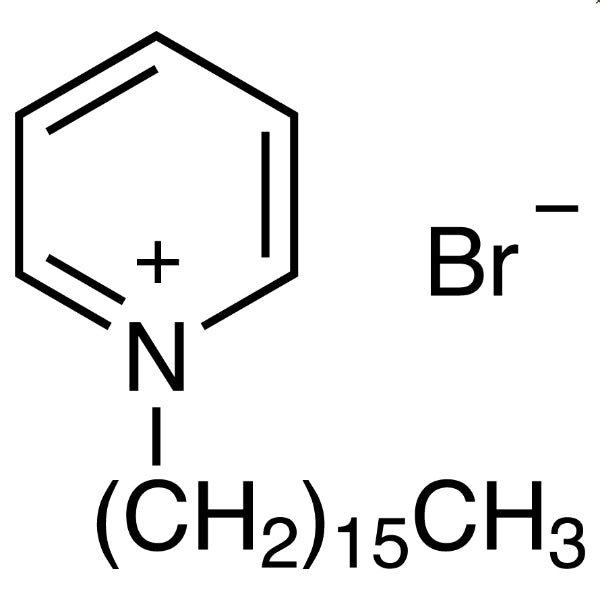
Hexadecylpyridinium Bromide (HDPB), with the CAS number 140-72-7, is a chemical compound widely used in laboratory settings related to materials science and polymer research. As a cationic surfactant, it plays a crucial role in reducing interfacial tension between immiscible phases such as water and oil. This property makes it highly valuable in various experimental applications where surface modification or emulsification is required. Its molecular structure consists of a hydrophobic hydrocarbon chain and a hydrophilic, positively charged bromide group, enabling it to act as a versatile additive in polymer formulations.
The unique molecular composition of HDPB contributes to its effectiveness as a polymer additive. Its ability to stabilize emulsions, adjust viscosity, and enhance mechanical properties makes it a preferred choice in both academic and industrial research. The compound's chemical stability and resistance to degradation further support its reliability in long-term experiments. These characteristics ensure consistent performance across a range of laboratory applications, making it a trusted component in material science studies.
In Indonesian laboratories, HDPB is extensively utilized in polymer research, chemical formulation, and industrial product development. It is particularly relevant for institutions engaged in materials science, chemical engineering, and advanced manufacturing. Its availability through AMI Scientific ensures that researchers and technicians have access to this essential compound for their experimental needs.
Related TCI products
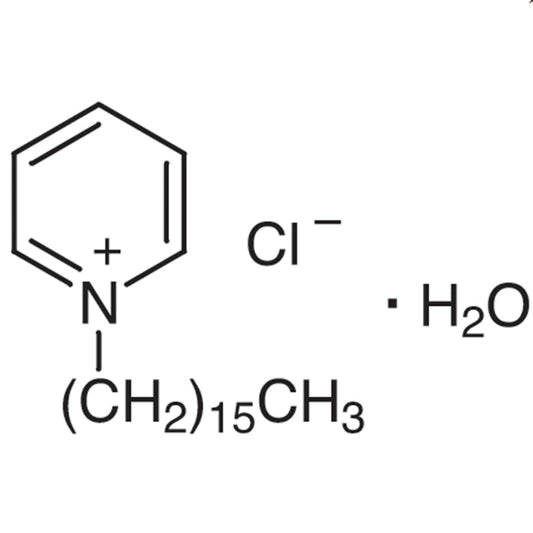
- TCI H0078 6004-24-6 Hexadecylpyridinium Chloride Monohydrate
- TCI T2734 1943-11-9 Trimethylnonylammonium Bromide
- TCI B3748 7281-04-1 Benzyldodecyldimethylammonium Bromide
- TCI T0906 1119-97-7 Tetradecyltrimethylammonium Bromide
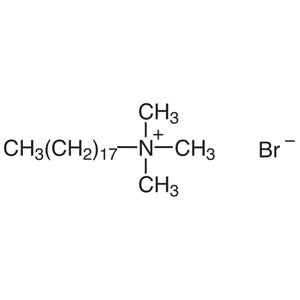
- TCI S0364 1120-02-1 Trimethylstearylammonium Bromide
- TCI O0163 2083-68-3 n-Octyltrimethylammonium Bromide
- Polymer formulation and modification: HDPB is used to enhance the mechanical properties and stability of polymer-based materials, making it ideal for developing advanced composite materials.
- Emulsification and dispersion: Its surfactant properties allow it to effectively reduce surface tension, enabling the creation of stable emulsions and dispersions in laboratory settings.
- Surface modification and coating applications: HDPB can be used to modify the surface properties of materials, aiding in the development of functional coatings and surface treatments.
- Rheology control in polymer processing: The compound helps adjust the viscosity of polymer solutions, which is essential for optimizing processing conditions in material synthesis.
- Chemical synthesis and reaction stabilization: HDPB's ability to stabilize interfaces makes it useful in chemical reactions where phase separation or instability could occur.
| Brand | TCI |
|---|---|
| CAS number | 140-72-7 |
| Molecular formula | — |
| Purity | — |
| Category | Materials Science > Polymer/Macromolecule Reagents > Polymer Additives |
| Pack sizes | Available in various quantities as per supplier specifications |
| Physical form | Solid or powder, depending on the specific product variant |
| Storage | Store in a cool, dry place away from moisture and direct sunlight |
Hexadecylpyridinium Bromide should be stored in a cool, dry environment to maintain its chemical stability and prevent degradation. It is recommended to keep the material in a sealed container to avoid exposure to moisture and air, which could affect its performance. Since it is a surfactant, it is generally non-hazardous under normal handling conditions, but standard laboratory safety practices should still be followed. Avoid contact with skin and eyes, and ensure proper ventilation when handling larger quantities. The compound is not flammable, but it should be kept away from strong oxidizing agents. Proper labeling and storage conditions will help ensure the safety and effectiveness of the material in laboratory settings.
—
Product Categories
Produk Terkait
-
HexadecylpyridiniumChlorideMonohydrate TCI H0078
Regular price From Rp 795.900,00Regular price -
TrimethylnonylammoniumBromide TCI T2734
Regular price Rp 1.749.300,00Regular price -
BenzyldodecyldimethylammoniumBromide TCI B3748
Regular price From Rp 1.115.100,00Regular price -
TetradecyltrimethylammoniumBromide TCI T0906
Regular price From Rp 530.250,00Regular price -
TrimethylstearylammoniumBromide TCI S0364
Regular price Rp 1.961.400,00Regular price -
n-OctyltrimethylammoniumBromide TCI O0163
Regular price From Rp 1.298.850,00Regular price -
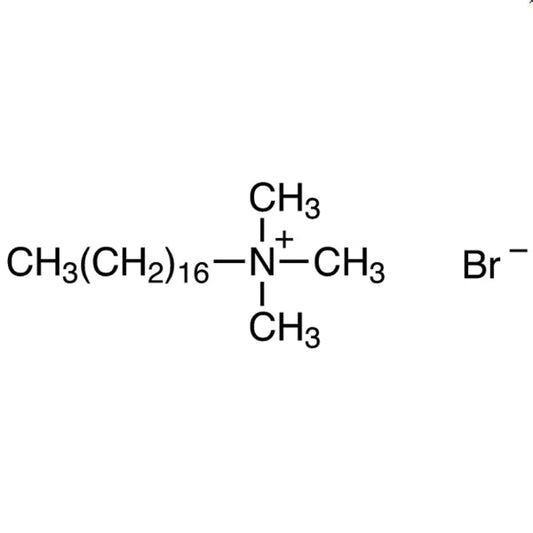
HeptadecyltrimethylammoniumBromide TCI H1307
Regular price Rp 2.625.000,00Regular price -
HexyltrimethylammoniumBromide TCI H0534
Regular price From Rp 2.359.350,00Regular price