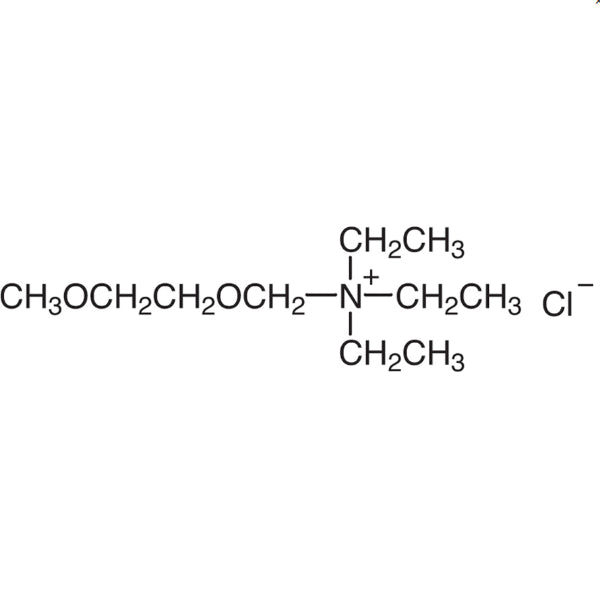
(2-Methoxyethoxymethyl)triethylammonium Chloride is a chemical compound widely used in laboratory settings, particularly in organic chemistry applications. It serves as a key reagent in protection and deprotection reactions, where it helps in the controlled modification of organic molecules. This compound is essential for the synthesis of complex chemical structures, making it a valuable tool for researchers working on advanced chemical processes. Its unique chemical structure enables it to participate in specific reactions, offering versatility in various synthetic pathways.
The compound is favored for its stability and predictable reactivity, which are crucial in controlled chemical environments. Its solubility in organic solvents makes it easy to handle and integrate into a wide range of experimental setups. These properties ensure consistent performance, reducing the risk of unexpected reaction outcomes. Additionally, its chemical behavior is well-documented, making it a reliable choice for both academic and industrial research. The compound's ability to undergo controlled reactions without significant side effects further enhances its appeal in laboratory applications.
In Indonesian laboratories, (2-Methoxyethoxymethyl)triethylammonium Chloride is commonly used in organic chemistry research, especially in pharmaceutical and chemical synthesis projects. It plays a critical role in the development of new compounds and the refinement of existing chemical processes. Its relevance is particularly evident in academic institutions and research centers where precision and reliability are paramount. The compound supports a wide range of experimental needs, contributing to the advancement of scientific knowledge in the region.
TCI brochures (PDF)
- Protecting Agents 2025-03-25 · p. 8
Related TCI products
- Organic synthesis reactions benefit from this compound's ability to selectively modify functional groups, ensuring controlled chemical transformations in complex molecule synthesis.
- Deprotection processes in pharmaceutical research rely on its stable reactivity, allowing for the precise removal of protecting groups without affecting the rest of the molecule.
- Derivatization techniques in analytical chemistry use its unique chemical properties to enhance the detectability and stability of compounds during chromatographic analysis.
- Controlled substitution reactions in academic research benefit from its predictable behavior, enabling researchers to achieve desired outcomes with minimal side reactions.
- Chemical modification of biomolecules in bioorganic chemistry applications utilizes its reactivity to introduce specific functional groups under controlled conditions.
| Brand | TCI |
|---|---|
| CAS number | 60043-43-8 |
| Molecular formula | — |
| Purity | — |
| Category | Chemistry > Synthetic Reagents > Protection, Deprotection, Derivatization |
| Pack sizes | Available in various quantities as per supplier specifications |
| Physical form | Solid or powder, depending on the specific formulation |
| Storage | Store in a cool, dry place away from moisture and direct sunlight |
This compound should be stored in a cool, dry environment to maintain its chemical integrity. It is recommended to use airtight containers to prevent exposure to moisture and air, which could affect its stability. Proper labeling of storage containers is essential for safety and traceability. Laboratory personnel should wear appropriate personal protective equipment when handling the compound to minimize exposure. The compound should be kept away from incompatible substances to avoid any potential chemical reactions. Regular inspection of storage conditions ensures the compound remains suitable for use in laboratory applications.
—
Produk Terkait
-
(2-Hydroxyethyl)triethylammoniumIodide TCI H0407
Regular price Rp 3.870.300,00Regular price -
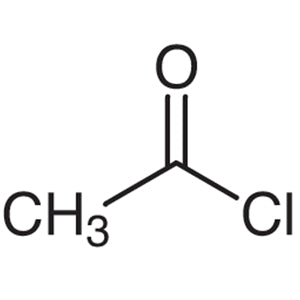
AcetylChloride TCI A0082
Regular price From Rp 795.900,00Regular price -
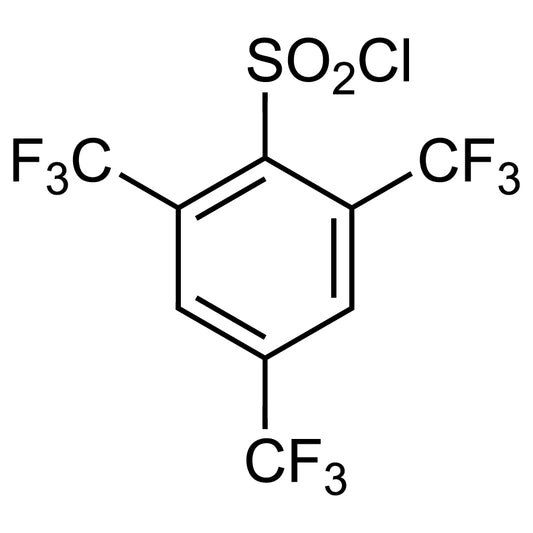
2,4,6-Tris(trifluoromethyl)benzenesulfonylChloride TCI T4302
Regular price From Rp 3.949.050,00Regular price -
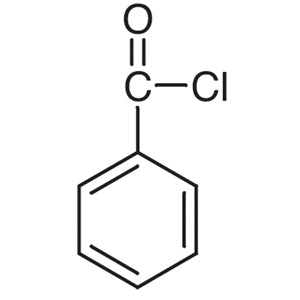
BenzoylChloride TCI B0105
Regular price Rp 505.050,00Regular price -
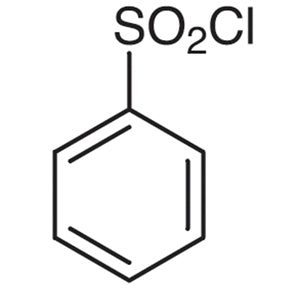
BenzenesulfonylChloride TCI B0036
Regular price From Rp 452.550,00Regular price -
TrifluoromethanesulfonylChloride TCI T1027
Regular price From Rp 2.174.550,00Regular price -
2,4,6-TriisopropylbenzenesulfonylChloride TCI T0459
Regular price From Rp 2.227.050,00Regular price -
p-ToluenesulfonylChloride TCI T0272
Regular price From Rp 610.050,00Regular price