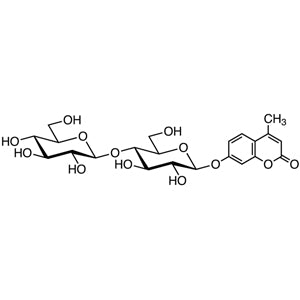
4-Methylumbelliferyl beta-D-Cellobioside is a chemical compound widely used in biochemical and chemical biology experiments, particularly in the study of glycosides and enzyme activity. This compound serves as a substrate in enzymatic reactions, especially those involving beta-glucosidase, making it an essential tool for researchers analyzing enzymatic hydrolysis. Its role in laboratory settings is critical for assessing the activity of enzymes that break down complex carbohydrates, providing valuable insights into metabolic processes and enzyme mechanisms.
One of the key properties that make this compound a preferred choice is its ability to emit fluorescent light after hydrolysis, which greatly simplifies the detection and analysis of reaction outcomes. This fluorescence allows for sensitive and accurate measurements, even at low concentrations. Additionally, the compound exhibits good stability under specific conditions, ensuring reliable results across multiple experimental runs. Its chemical structure is also complex, enabling its use in high-precision scientific applications where accuracy is paramount.
In Indonesian laboratories, 4-Methylumbelliferyl beta-D-Cellobioside is commonly utilized in biochemical, pharmacological, and microbiological research. Due to its relative scarcity in the local market, it is a preferred choice for researchers needing a reliable and high-quality reagent. Its versatility and effectiveness make it an indispensable component in various scientific investigations conducted in Indonesia.
TCI brochures (PDF)
- Reagents for Glyco Chemistry & Biology 5th Edition · p. 84
- Reagents for Biological Research 2025-03-11 · p. 22
Related TCI products
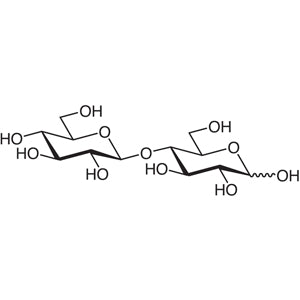
- TCI C0056 528-50-7 D-(+)-Cellobiose
- TCI M3030 37067-30-4 4-Methylumbelliferyl 2-Acetamido-2-deoxy-beta-D-glucopyranoside
- TCI M3029 36476-29-6 4-Methylumbelliferyl 2-Acetamido-2-deoxy-beta-D-galactopyranoside
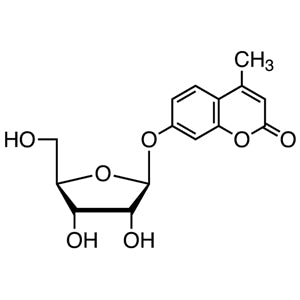
- TCI M3027 195385-93-4 4-Methylumbelliferyl beta-D-Ribofuranoside
- TCI M3026 881005-91-0 4-Methylumbelliferyl beta-D-Glucuronide Hydrate
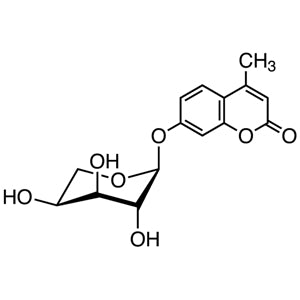
- TCI M3025 69414-26-2 4-Methylumbelliferyl alpha-L-Arabinopyranoside
- Biochemical Research: This compound is ideal for studying enzyme activity and substrate specificity, particularly in hydrolysis reactions involving beta-glucosidase.
- Enzyme Kinetics Studies: Its fluorescent properties allow for precise measurement of enzyme activity and reaction rates in controlled environments.
- Glycoscience Investigations: It supports research into carbohydrate metabolism and the structural analysis of glycosidic bonds.
- Pharmacological Testing: Used in drug development to evaluate enzyme inhibition and metabolic pathways in biological systems.
- Microbiological Analysis: It aids in assessing the enzymatic capabilities of microbial cultures, supporting studies on microbial metabolism and enzyme activity.
| Brand | TCI |
|---|---|
| CAS number | 72626-61-0 |
| Molecular formula | — |
| Purity | — |
| Category | Chemistry > Chemical Biology > Glycoscience |
| Pack sizes | Available in various quantities as per supplier specifications |
| Physical form | Solid or powder, depending on formulation |
| Storage | Store in a cool, dry place away from light |
This compound should be stored in a cool, dry place, away from direct light, to maintain its stability and effectiveness. It is recommended to use airtight containers to prevent moisture absorption and contamination. Due to its fluorescent properties, it is important to handle it with care to avoid exposure to excessive light, which may affect its integrity. In laboratory settings, it should be kept in a secure area, away from incompatible substances. Proper labeling and storage conditions are essential to ensure the compound remains suitable for use in experiments. Always follow standard laboratory safety protocols when handling and storing this material.
—
Product Categories
Produk Terkait
-
D-(+)-Cellobiose TCI C0056
Regular price From Rp 875.700,00Regular price -
4-Methylumbelliferyl2-Acetamido-2-deoxy-beta-D-glucopyranoside TCI M3030
Regular price From Rp 2.439.150,00Regular price -
4-Methylumbelliferyl2-Acetamido-2-deoxy-beta-D-galactopyranoside TCI M3029
Regular price From Rp 3.180.450,00Regular price -
4-Methylumbelliferylbeta-D-Ribofuranoside TCI M3027
Regular price From Rp 4.108.650,00Regular price -
4-Methylumbelliferylbeta-D-GlucuronideHydrate TCI M3026
Regular price From Rp 1.565.550,00Regular price -
4-Methylumbelliferylalpha-L-Arabinopyranoside TCI M3025
Regular price From Rp 1.353.450,00Regular price -
4-Methylumbelliferylalpha-D-Mannopyranoside TCI M3023
Regular price From Rp 1.829.100,00Regular price -
4-Methylumbelliferylbeta-D-Glucopyranoside TCI M3022
Regular price From Rp 1.008.000,00Regular price