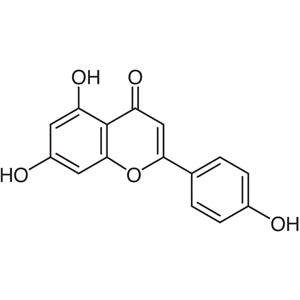
Fisetin is a chemical compound widely used in scientific experiments, particularly in the fields of chemistry and biology. As a natural pigment, it has the ability to bind with various molecules, making it a valuable material in staining and chemical analysis processes. Its versatility allows it to be used as a reagent in laboratory settings to enhance the visualization of molecular structures or to identify specific components within a sample. Fisetin is commonly employed in research to study the effects of certain compounds on cells or organisms.
One of the key reasons for its popularity is its chemical stability under certain conditions, combined with its non-toxic nature and good solubility in organic solvents. These properties make it a safe and practical choice for laboratory use. Additionally, its availability in various packaging options provides flexibility for researchers to select the appropriate quantity based on their experimental needs. The ease of handling and its compatibility with a wide range of solvents further contribute to its widespread use in laboratory environments.
In Indonesian laboratories, fisetin is frequently utilized in research across multiple disciplines, including pharmacology, biochemistry, and environmental science. It plays a crucial role in quality testing of natural materials, the development of new compounds, and the analysis of biological samples. Its presence in various research projects highlights its importance as a reliable and effective chemical tool for scientific investigation.
TCI brochures (PDF)
- Polyphenols 2024-12-05 · p. 1
- Phytochemicals 2025-12-17 · p. 10
- In pharmacological research, fisetin is used to study the effects of natural compounds on cellular processes and drug interactions.
- For biochemical experiments, it serves as a staining agent to visualize and analyze molecular structures within biological samples.
- In environmental science, fisetin is employed to assess the impact of pollutants on aquatic organisms and to monitor water quality.
- During analytical chemistry procedures, it is utilized for its ability to bind with specific molecules, aiding in the identification of compounds in complex mixtures.
- In biological research, fisetin is used to investigate the antioxidant properties of natural substances and their potential therapeutic applications.
| Brand | TCI |
|---|---|
| CAS number | 528-48-3 |
| Molecular formula | — |
| Purity | — |
| Category | Chemistry > Stains and Dyes (for Research and Experimental Use) > Stains and Dyes (Other) (for Research and Experimental Use) |
| Pack sizes | Available in various quantities to suit different experimental needs |
| Physical form | Solid or powder, depending on the packaging |
| Storage | Store in a cool, dark place away from direct sunlight and oxidizing agents |
Fisetin should be stored in a cool, dark environment to prevent degradation due to UV exposure and oxidation. It is recommended to keep it in a sealed container to minimize contact with air and moisture. When handling, it is advisable to use appropriate personal protective equipment such as gloves and safety goggles to ensure safety. Due to its non-toxic nature, it is generally considered safe for laboratory use, but care should still be taken to avoid inhalation or ingestion. The compound is compatible with most organic solvents, making it easy to incorporate into various experimental setups. Proper storage and handling practices help maintain its chemical integrity and ensure its effectiveness in research applications.
—
Product Categories
Produk Terkait
-
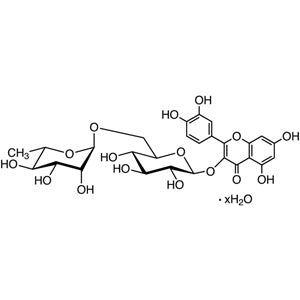
RutinHydrate TCI R0035
Regular price Rp 1.431.150,00Regular priceRp 1.016.400,00Sale price Rp 1.431.150,00 -
QuercetinHydrate TCI P0042
Regular price Rp 1.378.650,00Regular priceRp 979.650,00Sale price Rp 1.378.650,00 -
Kaempferol TCI K0018
Regular price From Rp 3.260.250,00Regular priceRp 2.295.300,00Sale price From Rp 3.260.250,00 -
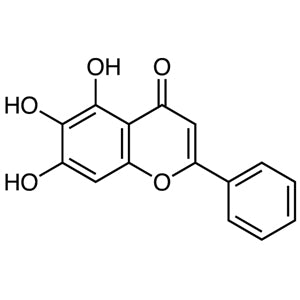
Baicalein TCI T2721
Regular price From Rp 3.153.150,00Regular priceRp 2.220.750,00Sale price From Rp 3.153.150,00 -
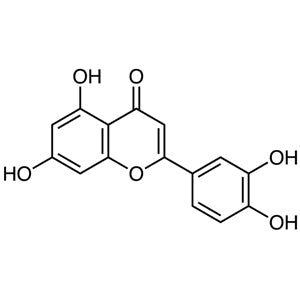
3',4',5,7-Tetrahydroxyflavone TCI T2682
Regular price From Rp 1.618.050,00Regular priceRp 1.146.600,00Sale price From Rp 1.618.050,00 -
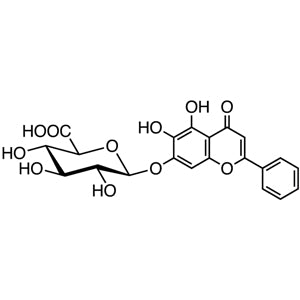
Baicalin TCI B2835
Regular price Rp 2.730.000,00Regular priceRp 1.924.650,00Sale price Rp 2.730.000,00 -
Apigenin TCI A1514
Regular price Rp 5.830.650,00Regular priceRp 4.092.900,00Sale price Rp 5.830.650,00 -
Naringin TCI N0073
Regular price Rp 1.670.550,00Regular priceRp 1.183.350,00Sale price Rp 1.670.550,00