3-(Trifluoromethyl)phenyltrimethylammonium Iodide is a synthetic reagent widely used in organic chemistry laboratories. This compound plays a crucial role in facilitating various synthetic reactions, particularly those involving nucleophilic substitution and bond formation. Its unique molecular structure, which includes a trifluoromethyl group and an iodide ion, makes it a valuable tool for chemists seeking to synthesize complex organic compounds. Due to its reactivity and versatility, it is frequently employed in both academic and industrial research settings.
The compound's chemical stability and ability to participate in reactions requiring an iodide ion make it a preferred choice for many synthetic processes. The presence of the trifluoromethyl group imparts unique electronic properties, enhancing its reactivity compared to similar compounds with different substituents. Additionally, the iodide ion contributes to the compound’s ability to undergo a wide range of chemical transformations, making it suitable for use under both acidic and basic conditions. These properties make it an essential reagent in the synthesis of various organic molecules.
In Indonesian laboratories, this reagent is commonly used in organic chemistry research, especially in the synthesis of complex organic compounds. Its high reactivity and chemical stability make it a reliable component in experimental setups. Researchers in Indonesia rely on this compound for its consistent performance and its ability to support a variety of synthetic pathways. Its application is particularly relevant in academic and industrial settings where precision and reliability are paramount.
TCI brochures (PDF)
- Quaternary Ammonium Salts 2025-11-10 · p. 7
- Fluorination Reagents, Fluorinated Building Blocks 2026-03-18 · p. 38
Related TCI products
- TCI T1036 262608-95-7 3-(Trifluoromethyl)phenyltrimethylammonium Bromide
- TCI T0961 68254-41-1 3-(Trifluoromethyl)phenyltrimethylammonium Hydroxide (5% in Methanol) [for Transesterification of Glyceride]
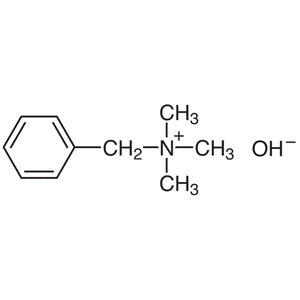
- TCI B1071 100-85-6 Benzyltrimethylammonium Hydroxide (40% in Water)
- TCI B1070 100-85-6 Benzyltrimethylammonium Hydroxide (10% in Water)
- TCI B0448 100-85-6 Benzyltrimethylammonium Hydroxide (40% in Methanol)
- TCI B0428 100-85-6 Benzyltrimethylammonium Hydroxide (10% in Water)
- Organic synthesis reactions benefit from this compound's reactivity and ability to participate in nucleophilic substitution processes.
- It is ideal for the formation of new chemical bonds, especially in reactions requiring an iodide ion.
- The compound supports the synthesis of complex organic molecules due to its unique electronic properties.
- It is commonly used in academic research settings for the development of new chemical compounds.
- Indonesian laboratories utilize it in the study of synthetic pathways for advanced organic chemistry applications.
| Brand | TCI |
|---|---|
| CAS number | 27389-57-7 |
| Molecular formula | — |
| Purity | — |
| Category | Chemistry > Synthetic Reagents > Acids, Bases [Synthetic Reagents] |
| Pack sizes | As per supplier specifications |
| Physical form | Solid (as per standard product description) |
| Storage | Store in a cool, dry place away from moisture and light |
This compound should be stored in a cool, dry place, away from moisture and direct light to maintain its chemical stability. It is recommended to use airtight containers to prevent exposure to air and humidity, which could affect its reactivity. Due to its chemical nature, it should be handled with care, using appropriate personal protective equipment such as gloves and safety goggles. In laboratory settings, it is important to ensure proper ventilation when working with this compound to minimize any potential exposure. Always follow standard safety protocols when handling synthetic reagents to ensure a safe working environment.
—
Produk Terkait
-
3-(Trifluoromethyl)phenyltrimethylammoniumBromide TCI T1036
Regular price Rp 8.082.900,00Regular priceRp 5.667.900,00Sale price Rp 8.082.900,00 -
3-(Trifluoromethyl)phenyltrimethylammoniumHydroxide(5%inMethanol)[forTransesterificationofGlyceride] TCI T0961
Regular price From Rp 4.796.400,00Regular priceRp 3.369.450,00Sale price From Rp 4.796.400,00 -
BenzyltrimethylammoniumHydroxide(40%inWater) TCI B1071
Regular price From Rp 742.350,00Regular priceRp 534.450,00Sale price From Rp 742.350,00 -
BenzyltrimethylammoniumHydroxide(10%inWater) TCI B1070
Regular price From Rp 795.900,00Regular priceRp 572.250,00Sale price From Rp 795.900,00 -
BenzyltrimethylammoniumHydroxide(40%inMethanol) TCI B0448
Regular price From Rp 582.750,00Regular priceRp 423.150,00Sale price From Rp 582.750,00 -
BenzyltrimethylammoniumHydroxide(10%inWater) TCI B0428
Regular price Rp 1.087.800,00Regular priceRp 775.950,00Sale price Rp 1.087.800,00 -
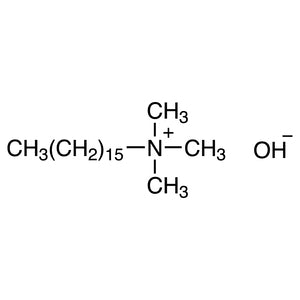
HexadecyltrimethylammoniumHydroxide(10%inWater) TCI H1354
Regular price From Rp 1.538.250,00Regular priceRp 1.090.950,00Sale price From Rp 1.538.250,00 -
HexadecyltrimethylammoniumHydroxide(10%inWater) TCI H0974
Regular price From Rp 822.150,00Regular priceRp 590.100,00Sale price From Rp 822.150,00