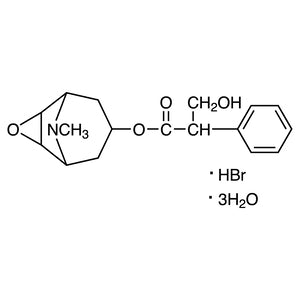
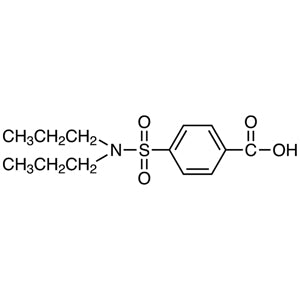
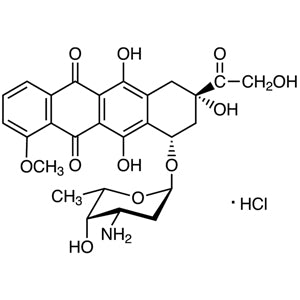
Reagents for Central Nervous System Disease Models — includes alkaloid, steroid, and fluorinated ether compounds that act on receptors or pathways of the nervous system, such as GABA receptor antagonists, glycine antagonist alkaloids, and mitochondrial electron transport chain inhibitors. These compounds are used to induce certain pathological conditions in animal models for nerve research.
These reagents are used by neuroscience and pharmacology researchers to build animal models of central nervous system disorders, for example seizure models using GABA receptor antagonists or neurodegenerative models using mitochondrial complex inhibitors. Compounds such as glycine receptor antagonist alkaloids and polyunsaturated fatty acids are also used in studies of neurotransmission pathways related to such disease models.
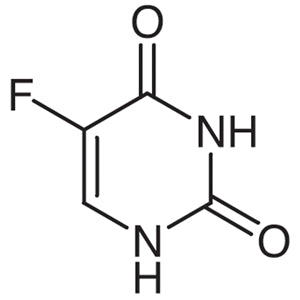
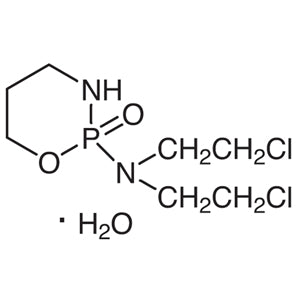
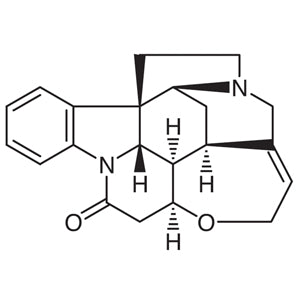
Example products in this collection: TCI B1890 485-49-4 (+)-Bicuculline, TCI C2236 6055-19-2 Cyclophosphamide Monohydrate, TCI B1293 333-36-8 Bis(2,2,2-trifluoroethyl) Ether, TCI D3371 15663-27-1 cis-Diammineplatinum(II) Dichloride, TCI A0781 506-32-1 Arachidonic Acid, TCI D4193 25316-40-9 Doxorubicin Hydrochloride, TCI S0249 57-24-9 Strychnine, TCI F0151 51-21-8 5-Fluorouracil.
Pay attention to the salt form and hydration degree of the compounds because they affect solubility in test solutions, as well as the purity level, which determines the consistency of results in replicated models. All products are genuine Tokyo Chemical Industry (TCI) Japan products, with purity, packaging, and storage conditions listed on each item's page.
Other parallel categories under Animal Disease Models Preparation, often used together in one laboratory workflow:
Back to Animal Disease Models Preparation. For large-volume procurement, special packaging, or specific grades, contact the AMI Scientific team — official distributor of TCI Japan in Indonesia — for availability checks and lead time directly from Japan.