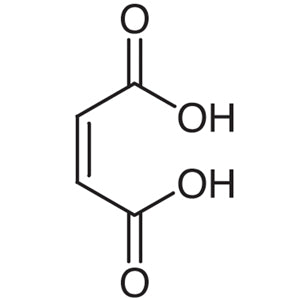
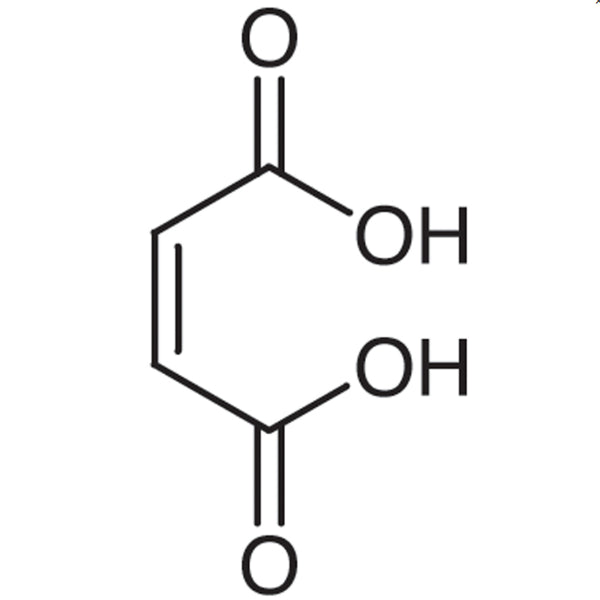
Maleic Acid (TCI M0006), with CAS number 110-16-7, is a widely used chemical compound in laboratory settings. As a dicarboxylic acid, it plays a crucial role in various synthetic and analytical procedures. Its unique molecular structure, featuring two carboxyl groups, allows it to participate in a wide range of chemical reactions, making it a versatile reagent. This compound is commonly found in organic synthesis, where it serves as a building block for the creation of more complex molecules. Its reactivity and solubility make it an essential component in many laboratory workflows.
The chemical properties of maleic acid make it a preferred choice for laboratory use. It is highly reactive due to the presence of two polar carboxyl groups, which enable it to interact effectively with bases and other reagents. Its solubility in water and relatively low melting point facilitate handling and processing in laboratory environments. These characteristics allow it to be easily incorporated into various experimental setups, from qualitative and quantitative analysis to the synthesis of pharmaceutical compounds and industrial chemicals. Its reactivity and stability under controlled conditions further enhance its utility in chemical research.
In Indonesian laboratories, maleic acid is frequently used in chemical research, pharmaceutical development, and the production of new chemical materials. Its versatility and reactivity make it an essential reagent for chemists and researchers working in both academic and industrial settings. It is commonly employed in the synthesis of organic compounds, as well as in analytical procedures that require precise chemical interactions. Its widespread use underscores its importance in the chemical sciences in Indonesia.
TCI brochures (PDF)
- Lipids 2025-12-17 · p. 8
- Organic synthesis where maleic acid serves as a key building block for creating complex organic molecules due to its reactive carboxyl groups.
- Qualitative and quantitative analysis where its reactivity with bases enables accurate detection and measurement of chemical components.
- Pharmaceutical development as a precursor in the synthesis of various drug compounds due to its structural versatility.
- Industrial chemical production for the manufacture of polymers and other chemical derivatives through esterification and polymerization reactions.
- Educational and research laboratories where it is used to demonstrate chemical reactions and properties in both teaching and experimental settings.
| Brand | TCI |
|---|---|
| CAS number | 110-16-7 |
| Molecular formula | — |
| Purity | — |
| Category | Chemistry > Synthetic Reagents > Acids, Bases [Synthetic Reagents] |
| Pack sizes | — |
| Physical form | Solid |
| Storage | Store in a cool, dry place away from moisture and direct sunlight |
Maleic acid should be stored in a cool, dry place, away from moisture and direct sunlight to maintain its chemical integrity. It is advisable to use airtight containers to prevent exposure to air and humidity, which could affect its reactivity. Due to its high reactivity, it should be handled with care, using appropriate personal protective equipment such as gloves and safety goggles. It is important to ensure proper ventilation when working with this compound to avoid inhalation of vapors. In laboratory settings, it should be stored separately from strong bases and oxidizing agents to prevent unwanted chemical reactions. Regular inspection of storage conditions is recommended to ensure the safety and effectiveness of the material.
—
Produk Terkait
-
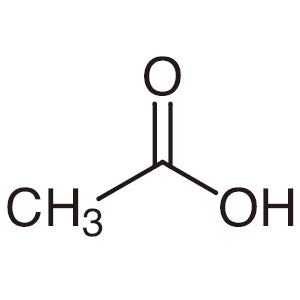
AceticAcid TCI A2035
Regular price Rp 477.750,00Regular price -
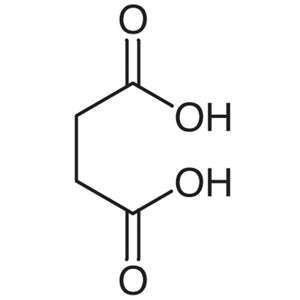
SuccinicAcid TCI S0100
Regular price From Rp 477.750,00Regular price -
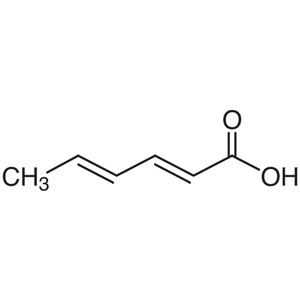
SorbicAcid TCI S0053
Regular price From Rp 452.550,00Regular price -
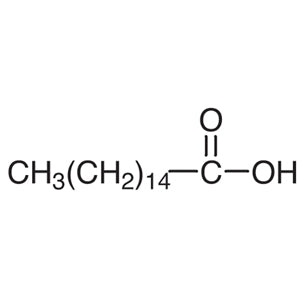
PalmiticAcid TCI P1145
Regular price Rp 2.704.800,00Regular price -
PropionicAcid TCI P0500
Regular price From Rp 452.550,00Regular price -
PalmiticAcid TCI P0002
Regular price From Rp 505.050,00Regular price -
MalonicAcid TCI M0028
Regular price From Rp 505.050,00Regular price -
DL-LacticAcid TCI L0226
Regular price From Rp 452.550,00Regular price