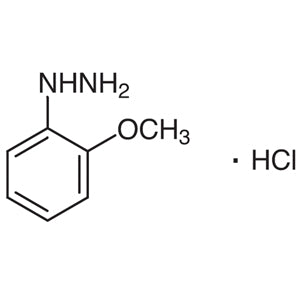
2-Methoxyphenylhydrazine Hydrochloride is a chemical compound widely used in laboratory settings for its reactivity and versatility in organic synthesis. It serves as a key reagent in the formation of hydrazine derivatives and plays a crucial role in the development of heterocyclic compounds. This compound is particularly valuable in reactions where the formation of complex molecular structures is required. Its ability to act as a hydrazine donor makes it indispensable in various synthetic pathways.
The compound's chemical properties make it a preferred choice for researchers. It exhibits stability under controlled conditions but is sensitive to moisture and air exposure, requiring careful handling. The presence of the methoxy group enhances its stability and influences its reactivity in different chemical environments. It reacts effectively with aldehydes, ketones, and carboxylic acids, making it a versatile tool in organic chemistry. Its predictable behavior and compatibility with a range of reagents further contribute to its popularity.
In Indonesian laboratories, 2-Methoxyphenylhydrazine Hydrochloride is commonly used in organic chemistry research, especially in the synthesis of pharmaceutical compounds and industrial chemicals. Its availability in various packaging sizes makes it suitable for both small-scale and mid-sized research projects. It is a fundamental component in the development of new chemical entities and is often utilized in academic and industrial research settings.
Related TCI products
- Organic synthesis of heterocyclic compounds due to its hydrazine-donating properties.
- Preparation of pharmaceutical intermediates through hydrazone formation reactions.
- Development of industrial chemicals by reacting with aldehydes and ketones.
- Research in medicinal chemistry for the synthesis of bioactive compounds.
- Analytical applications in chemical characterization and reaction mechanism studies.
| Brand | TCI |
|---|---|
| CAS number | 6971-45-5 |
| Molecular formula | — |
| Purity | — |
| Category | Chemistry > Building Blocks > Non-Heterocyclic Building Blocks |
| Pack sizes | Available in various sizes to suit different research needs |
| Physical form | Solid, typically in crystalline or powder form |
| Storage | — |
This compound should be stored in a cool, dry place away from moisture and direct sunlight. It is recommended to use airtight containers to prevent exposure to air, which can affect its stability. Due to its sensitivity, it should be handled in a well-ventilated area to minimize inhalation risks. Proper personal protective equipment, such as gloves and safety goggles, should be worn when handling. It is important to store the compound separately from strong oxidizing agents to avoid any potential chemical reactions. Regular inspection of storage conditions ensures the compound remains in optimal condition for use in laboratory applications.
—
Produk Terkait
-
4-MethoxyphenylhydrazineHydrochloride TCI M0637
Regular price From Rp 1.273.650,00Regular price -
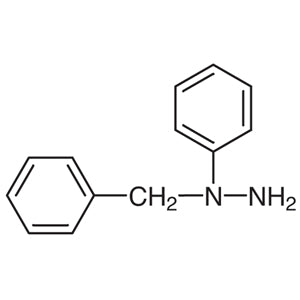
1-Benzyl-1-phenylhydrazine TCI B1157
Regular price Rp 2.782.500,00Regular price -
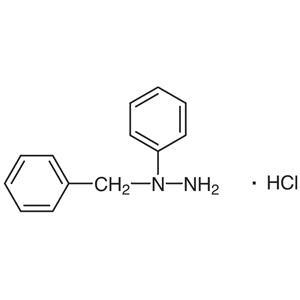
1-Benzyl-1-phenylhydrazineHydrochloride TCI B0434
Regular price From Rp 1.565.550,00Regular price -
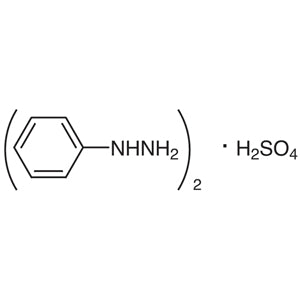
PhenylhydrazineSulfate TCI P0186
Regular price Rp 1.246.350,00Regular price -
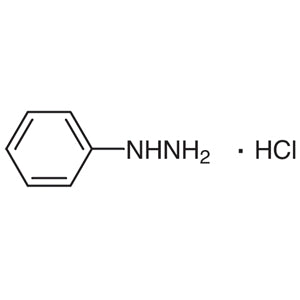
PhenylhydrazineHydrochloride TCI P0184
Regular price From Rp 1.008.000,00Regular price -
Phenylhydrazine TCI P0183
Regular price From Rp 557.550,00Regular price -
1-Methyl-1-phenylhydrazine TCI M0399
Regular price From Rp 1.060.500,00Regular price -
3-BromophenylhydrazineHydrochloride TCI B3847
Regular price Rp 2.491.650,00Regular price