4-Methoxyphenylhydrazine Hydrochloride is a chemical compound widely used in laboratory settings for its versatility in chemical reactions. It plays a crucial role in the synthesis of heterocyclic compounds and various organic molecules, making it an essential building block in chemical research. This compound is particularly valuable in hydrazinative reactions, which are fundamental in creating complex molecular structures. Its utility extends across multiple scientific disciplines, including pharmaceutical development, material science, and industrial chemistry.
The compound’s chemical stability under controlled conditions, combined with its reactivity towards environmental factors like moisture and air exposure, makes it a preferred choice for precise chemical synthesis. Its ability to participate in a range of reactions with high specificity and efficiency is a key factor in its popularity among chemists. The compound’s reactivity also necessitates careful handling and storage to maintain its integrity and effectiveness in laboratory applications.
In Indonesian laboratories, 4-Methoxyphenylhydrazine Hydrochloride is commonly used in scientific research and chemical product development. It is a staple in educational and research institutions, supporting experimental work and testing. Its availability ensures that researchers can conduct complex chemical reactions with the required precision and reliability, contributing to advancements in various scientific fields.
Related TCI products
- Synthesis of Heterocyclic Compounds: This compound is ideal for synthesizing heterocyclic compounds due to its reactivity in hydrazinative reactions, enabling the formation of complex ring structures.
- Organic Chemistry Research: It is frequently used in organic chemistry experiments for its role in creating diverse organic molecules through various reaction pathways.
- Pharmaceutical Development: Its utility in synthesizing pharmaceutical intermediates makes it valuable in drug discovery and development processes.
- Material Science Studies: It supports the creation of new materials by participating in reactions that form functional chemical structures.
- Chemical Testing and Analysis: It is used in analytical chemistry for testing and characterizing chemical compounds through various reaction mechanisms.
| Brand | TCI |
|---|---|
| CAS number | 19501-58-7 |
| Molecular formula | — |
| Purity | — |
| Category | Chemistry > Building Blocks > Non-Heterocyclic Building Blocks |
| Pack sizes | Available in various quantities as per standard laboratory supply |
| Physical form | Solid |
| Storage | Requires dry, cool, and well-ventilated storage conditions |
This compound should be stored in a dry, cool, and well-ventilated area to prevent moisture and air exposure, which can affect its stability. It is recommended to use airtight containers made of materials that resist chemical corrosion, such as glass or stainless steel. Due to its reactivity, it should be handled with appropriate personal protective equipment, including gloves and safety goggles. Proper labeling and storage away from incompatible substances are essential to ensure safety in the laboratory environment. Regular monitoring of storage conditions is advised to maintain the compound’s integrity and effectiveness for use in chemical reactions.
—
Produk Terkait
-
2-MethoxyphenylhydrazineHydrochloride TCI M0617
Regular price From Rp 2.466.450,00Regular price -
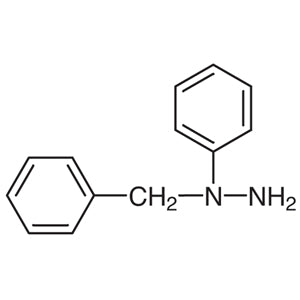
1-Benzyl-1-phenylhydrazine TCI B1157
Regular price Rp 2.782.500,00Regular price -
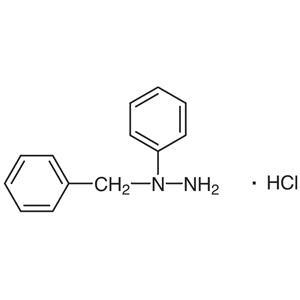
1-Benzyl-1-phenylhydrazineHydrochloride TCI B0434
Regular price From Rp 1.565.550,00Regular price -
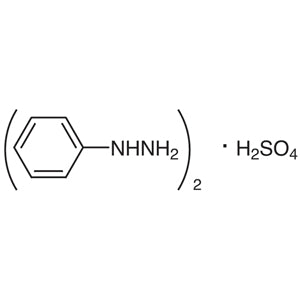
PhenylhydrazineSulfate TCI P0186
Regular price Rp 1.246.350,00Regular price -
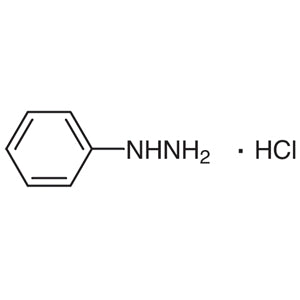
PhenylhydrazineHydrochloride TCI P0184
Regular price From Rp 1.008.000,00Regular price -
Phenylhydrazine TCI P0183
Regular price From Rp 557.550,00Regular price -
1-Methyl-1-phenylhydrazine TCI M0399
Regular price From Rp 1.060.500,00Regular price -
3-BromophenylhydrazineHydrochloride TCI B3847
Regular price Rp 2.491.650,00Regular price