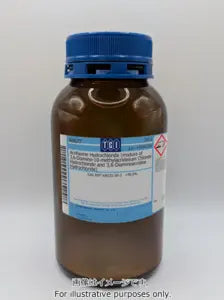
9-Methylacridine is a chemical compound classified under the heterocyclic category, featuring a basic acridine structure with a methyl group attached at the 9th position. This compound plays a crucial role in laboratory settings, particularly in organic and pharmaceutical research, where it serves as a key building block for the synthesis of complex molecules. Its unique chemical properties make it a versatile reagent in various chemical reactions, enabling the development of compounds with specific biological activities. Due to its stability and controlled reactivity, 9-Methylacridine is widely utilized in both academic and industrial research environments.
The compound's chemical characteristics, including its ability to interact with a variety of functional groups, make it a preferred choice for chemists. Its solubility in organic solvents further enhances its usability in synthetic processes, allowing for efficient processing and reaction conditions. These properties contribute to its popularity in the creation of bioactive molecules, making it an essential component in the development of new pharmaceuticals and advanced chemical structures. Its reliability and effectiveness in laboratory applications have solidified its position as a fundamental reagent in modern chemical research.
In Indonesian laboratories, 9-Methylacridine is extensively used in organic chemistry research, especially in the study of compounds with pharmacological activities. It is also commonly employed in the development of new compounds with potential therapeutic applications. Its availability and performance in various chemical reactions make it a valuable resource for researchers working on drug discovery and molecular modification projects.
Related TCI products
- TCI P1198 602-56-2 9-Phenylacridine
- TCI A0677 69235-50-3 Acriflavine Hydrochloride (mixture of 3,6-Diamino-10-methylacridinium Chloride Hydrochloride and 3,6-Diaminoacridine Hydrochloride)
- TCI A0134 8048-52-0 Acriflavine (mixture of 3,6-Diamino-10-methylacridinium Chloride and 3,6-Diaminoacridine)
- TCI D5028 6267-02-3 9,10-Dihydro-9,9-dimethylacridine
- TCI B2897 2743539-91-3 9-(2-Biphenylyl)-10-methylacridinium Perchlorate
- TCI M2072 1216909-33-9 9-Mesityl-2,7,10-trimethylacridinium Perchlorate
- Organic synthesis applications benefit from 9-Methylacridine due to its ability to participate in diverse chemical reactions, enabling the creation of complex molecular structures.
- Pharmaceutical research utilizes this compound as a building block for the development of bioactive molecules with targeted therapeutic effects.
- Molecular modification studies rely on 9-Methylacridine for its reactivity and compatibility with various functional groups, facilitating structural changes.
- Drug discovery projects incorporate this compound to explore new compounds with potential pharmacological properties and biological activities.
- Chemical research in Indonesian laboratories uses 9-Methylacridine for its stability and controlled reactivity, supporting a wide range of synthetic and analytical experiments.
| Brand | TCI |
|---|---|
| CAS number | 611-64-3 |
| Molecular formula | — |
| Purity | — |
| Category | Chemistry > Building Blocks > Heterocyclic Building Blocks |
| Pack sizes | Available in standard laboratory quantities |
| Physical form | Solid or liquid, depending on supplier specifications |
| Storage | Store in a cool, dry place away from light and incompatible substances |
9-Methylacridine should be stored in a cool, dry environment, away from direct light and sources of heat. It is recommended to use sealed containers made of glass or high-density polyethylene to prevent contamination and maintain chemical integrity. Due to its reactivity, it should be handled in a well-ventilated area, with appropriate personal protective equipment such as gloves and goggles. Avoid contact with incompatible materials like strong oxidizers or acids. Regular monitoring of storage conditions ensures the compound remains stable and safe for use in laboratory settings. Proper labeling and storage practices are essential to maintain safety and compliance with chemical handling standards.
—
Produk Terkait
-
9-Phenylacridine TCI P1198
Regular price Rp 3.498.600,00Regular price -
AcriflavineHydrochloride(mixtureof3,6-Diamino-10-methylacridiniumChlorideHydrochlorideand3,6-DiaminoacridineHydrochloride) TCI A0677
Regular price From Rp 1.803.900,00Regular price -
Acriflavine(mixtureof3,6-Diamino-10-methylacridiniumChlorideand3,6-Diaminoacridine) TCI A0134
Regular price Rp 2.121.000,00Regular price -
9,10-Dihydro-9,9-dimethylacridine TCI D5028
Regular price From Rp 1.510.950,00Regular price -
9-(2-Biphenylyl)-10-methylacridiniumPerchlorate TCI B2897
Regular price Rp 4.240.950,00Regular price -
9-Mesityl-2,7,10-trimethylacridiniumPerchlorate TCI M2072
Regular price Rp 9.063.600,00Regular price -
10-MethylacridiniumPerchlorate TCI M1787
Regular price From Rp 1.326.150,00Regular price -
9-Mesityl-10-methylacridiniumPerchlorate TCI M1774
Regular price Rp 3.817.800,00Regular price