Quorum Sensing Inhibitors and Antagonists, etc. — includes natural and synthetic compounds such as curcumin, cinnamaldehyde, and various sugar or ascorbic acid derivatives studied for their role in modulating bacterial cell-to-cell communication through the quorum sensing pathway in experimental microbiology models.
Compounds in this category are used as in vitro test materials in microbiology research to observe the effect of a molecule on biofilm formation, quorum sensing-related gene expression, or inter-bacterial communication behavior in laboratory cultures. Microbiology and biotechnology researchers use them as reference compounds to compare modulation activity on bacterial signaling pathways across different strains or culture conditions.
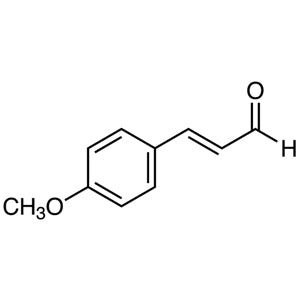
Example products in this collection: TCI C2302 458-37-7 Curcumin (Synthetic), TCI C0352 14371-10-9 trans-Cinnamaldehyde, TCI A0513 10323-20-3 D-(-)-Arabinose, TCI C0434 458-37-7 Curcumin (Natural), TCI A0537 50-81-7 L-Ascorbic Acid, TCI C1078 497-23-4 gamma-Crotonolactone, TCI A0539 134-03-2 Sodium L-Ascorbate, TCI C1329 207121-46-8 D-Cysteine Hydrochloride Monohydrate.
Pay attention to the origin of the compound (synthetic or natural), purity level, and specific salt or hydrate forms, as these can affect solubility and consistency of results in microbiology culture assays. All products are genuine Tokyo Chemical Industry (TCI) Japan products, with purity, packaging, and storage conditions listed on each item's page.
Other parallel categories under Microbiology, often used together in one laboratory workflow:
Back to Microbiology. For large-volume procurement, special packaging, or specific grades, contact the AMI Scientific team, the official TCI Japan distributor in Indonesia, to check availability and lead time directly from Japan.