Related TCI catalogs (PDF)


-
4,4,4-Trifluoro-1-(4-methoxyphenyl)-1,3-butanedione TCI T3283
Vendor:TCIRegular price From Rp 2.411.850,00Regular priceRp 1.702.050,00Sale price From Rp 2.411.850,00 -
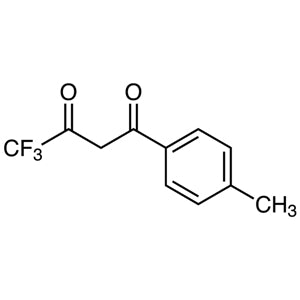
4,4,4-Trifluoro-1-(p-tolyl)-1,3-butanedione TCI T2997
Vendor:TCIRegular price From Rp 822.150,00Regular priceRp 590.100,00Sale price From Rp 822.150,00 -
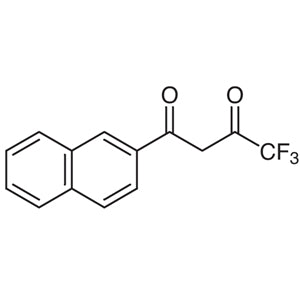
4,4,4-Trifluoro-1-(2-naphthyl)-1,3-butanedione TCI T1583
Vendor:TCIRegular price From Rp 1.113.000,00Regular priceRp 793.800,00Sale price From Rp 1.113.000,00 -
1-(4-Bromophenyl)-1,3-butanedione TCI B4754
Vendor:TCIRegular price From Rp 4.982.250,00Regular priceRp 3.499.650,00Sale price From Rp 4.982.250,00 -
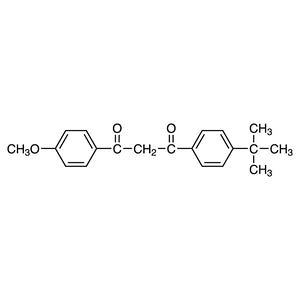
Avobenzone TCI B3382
Vendor:TCIRegular price From Rp 928.200,00Regular priceRp 664.650,00Sale price From Rp 928.200,00 -
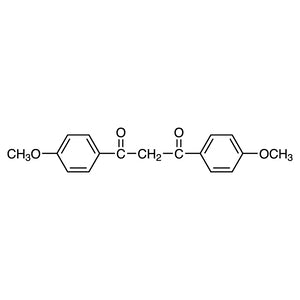
1,3-Bis(4-methoxyphenyl)-1,3-propanedione TCI B1733
Vendor:TCIRegular price From Rp 4.108.650,00Regular priceRp 2.888.550,00Sale price From Rp 4.108.650,00 -
2-Acetylcyclohexanone TCI A0881
Vendor:TCIRegular price From Rp 1.829.100,00Regular priceRp 1.294.650,00Sale price From Rp 1.829.100,00 -
2-Acetylcyclopentanone TCI A0869
Vendor:TCIRegular price From Rp 1.033.200,00Regular priceRp 738.150,00Sale price From Rp 1.033.200,00 -
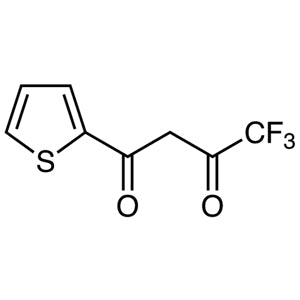
4,4,4-Trifluoro-1-(2-thienyl)-1,3-butanedione TCI T0438
Vendor:TCIRegular price From Rp 1.618.050,00Regular priceRp 1.146.600,00Sale price From Rp 1.618.050,00 -
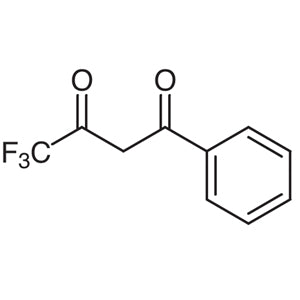
4,4,4-Trifluoro-1-phenyl-1,3-butanedione TCI T0437
Vendor:TCIRegular price Rp 2.702.700,00Regular priceRp 1.905.750,00Sale price Rp 2.702.700,00 -
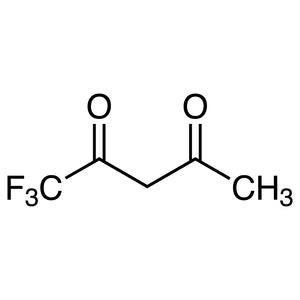
Trifluoroacetylacetone TCI T0434
Vendor:TCIRegular price From Rp 3.127.950,00Regular priceRp 2.202.900,00Sale price From Rp 3.127.950,00 -
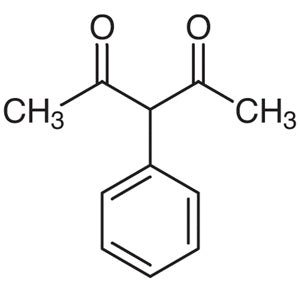
3-Phenyl-2,4-pentanedione TCI P1297
Vendor:TCIRegular price From Rp 4.479.300,00Regular priceRp 3.132.150,00Sale price From Rp 4.479.300,00 -
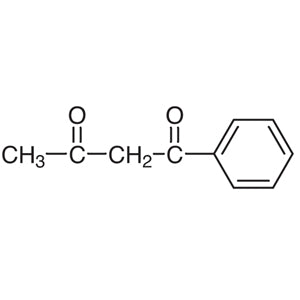
1-Phenyl-1,3-butanedione TCI P0160
Vendor:TCIRegular price From Rp 1.696.800,00Regular priceRp 1.186.500,00Sale price From Rp 1.696.800,00 -
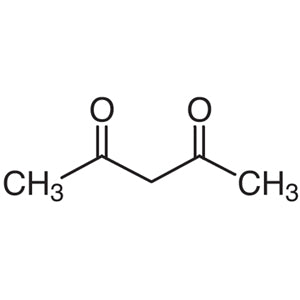
Acetylacetone TCI P0052
Vendor:TCIRegular price From Rp 477.750,00Regular priceRp 333.900,00Sale price From Rp 477.750,00 -
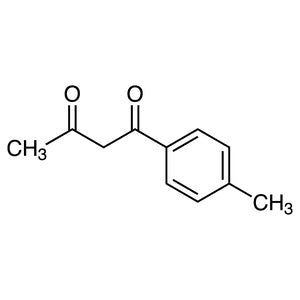
1-(p-Tolyl)butane-1,3-dione TCI M3497
Vendor:TCIRegular price Rp 5.619.600,00Regular priceRp 3.929.100,00Sale price Rp 5.619.600,00 -
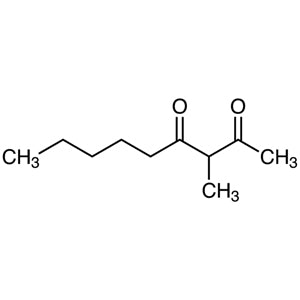
3-Methylnonane-2,4-dione TCI M3277
Vendor:TCIRegular price From Rp 2.279.550,00Regular priceRp 1.593.900,00Sale price From Rp 2.279.550,00